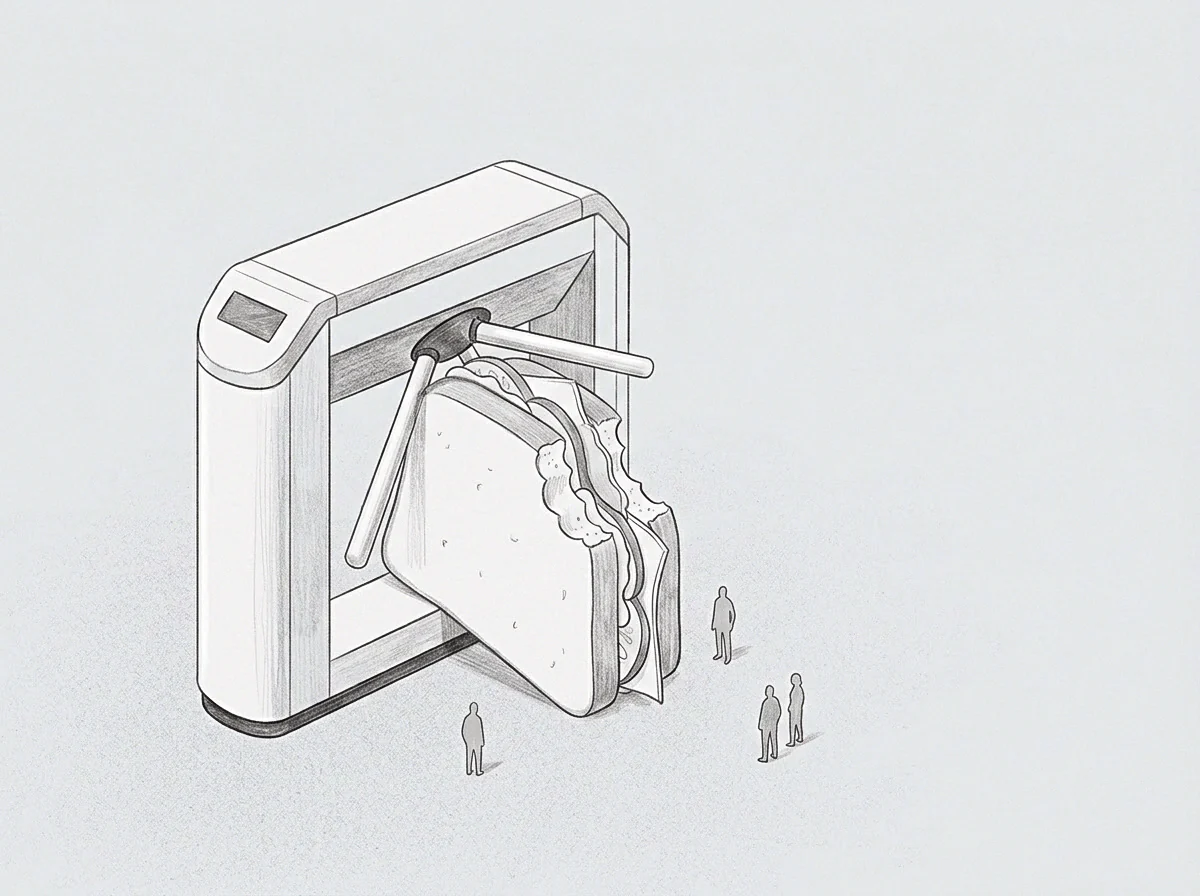
Meaning
Structural legal separations isolate parent entities, holding corporations, and individual equity holders from the operational debts, torts, and obligations of an underlying enterprise. A statutory liability wall arises through the proper incorporation, capitalization and operational maintenance of limited liability companies, joint ventures, or corporate subsidiaries. Maintaining this boundary protects external personal assets from commercial catastrophic failures, vendor bankruptcies and product liability claims generated inside the operating subsidiary.
Corporate veil piercing occurs when management fails to treat the operating vehicle as a genuine separate entity.
Operational Maintenance
Building and sustaining a legal partition demands continuous administrative vigilance from corporate officers who must avoid commingling assets. Maintaining a resilient liability wall requires executing formal intercompany service agreements, maintaining separate balance sheets, issuing arm-length management fees and strictly documenting board decisions. Founders stepping back into passive holding roles absorb significant administrative overhead ensuring that corporate formalities remain impeccable.
Inattention to formal governance invites opposing litigators to penetrate the partition.
Asset Protection
When an operating company faces catastrophic customer insolvencies or crushing litigation, a sound asset partition preserves the owner’s remaining capital. Without an uncompromised liability wall, creditors use alter-ego theories to access personal bank accounts, real estate holdings and equity in unaffiliated sister companies. Personal guarantees signed during early venture fundraising can bypass these statutory walls entirely, reminding founders that paper protections dissolve under poorly considered bank agreements.
Statutory insulation requires operational rigor.
Boundary Dissolution
The legal wall fails completely if leadership uses corporate assets for personal expenses or undercapitalizes operating businesses while shifting profits into personal accounts. Courts dismantle a liability wall when creditors demonstrate that corporate form was maintained merely as an instrument for fraud, misrepresentation or improper evasion of legal obligations. Maintaining genuine structural isolation between corporate actions and private wealth is the defining discipline of sustainable entity governance.