Meaning
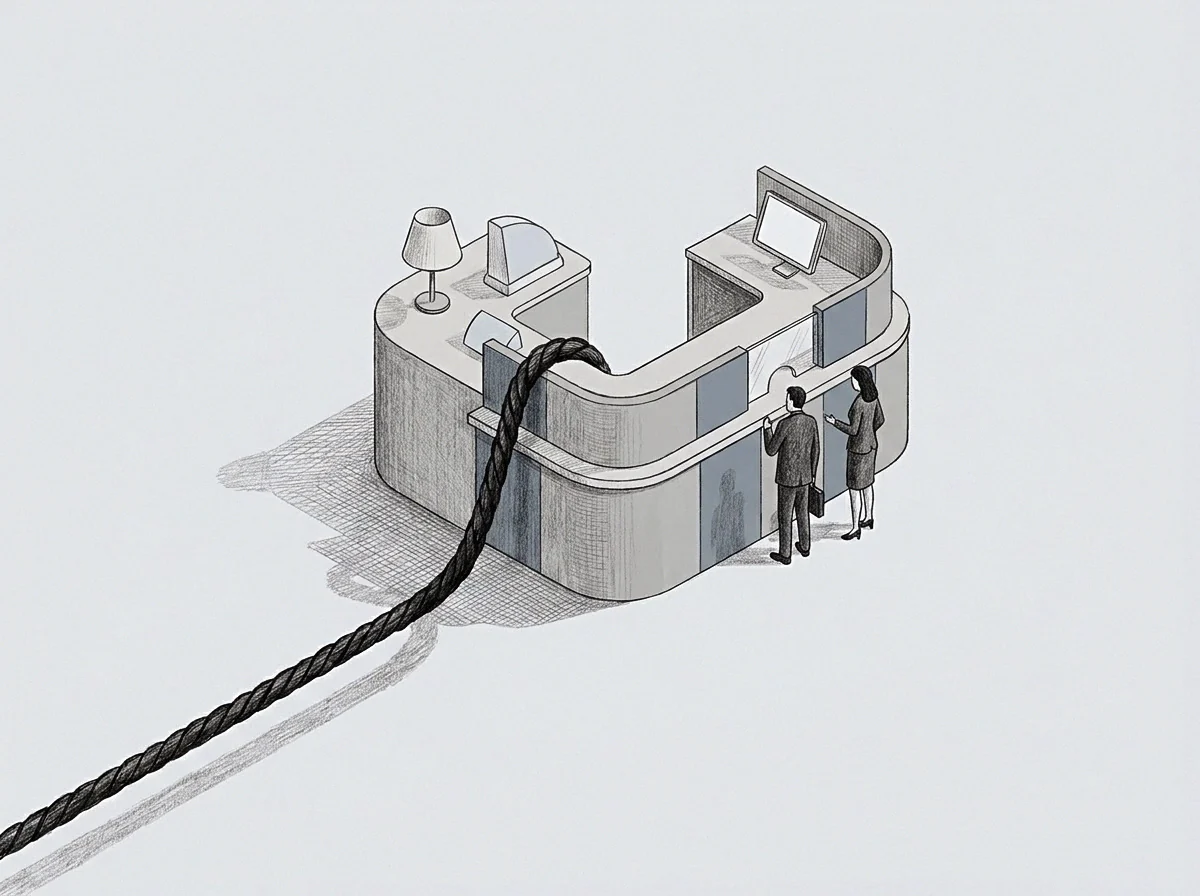
Erosion of the net profit percentage occurs when incremental expenses outpace the revenue gained from a specific product or service line. Margin decay represents a persistent drag on the operating efficiency of a mature firm. It forces the management to scrutinize the cost structure of established offerings to identify hidden inefficiencies.
Financial Friction
Decisions made during the growth phase frequently prioritize market share over absolute unit profitability. Margin decay develops when these initial cost assumptions fail to account for the long-term support overhead of a larger customer base. Overlooked expenses such as specialized maintenance or customized integration requirements consume the surplus that once allowed for reinvestment.
Executive Capacity
Managing the decline requires the founder to shift attention from rapid feature deployment to rigorous unit cost analysis. This transition reduces the hours available for product innovation because the owner must address the erosion of cash flow directly. Such focus dictates a departure from the high-growth mindset that defined the early years.
Systemic Pressure
Variations in pricing power create conditions where the cost of delivery rises faster than the price the market accepts for the output. External factors like rising supply chain costs or increased regulatory compliance requirements accelerate this process without any corresponding increase in perceived value. Persistent reduction of the bottom line eventually limits the capital reserves needed for future product iterations.