
Evaluating Long Term Equity Value Decay Mechanisms Under Prolonged Executive Role Drift In Owner Managed Firms
Executive role drift depresses long-term equity value by masking unrecorded operational costs and triggering severe acquirer transferability discounts.
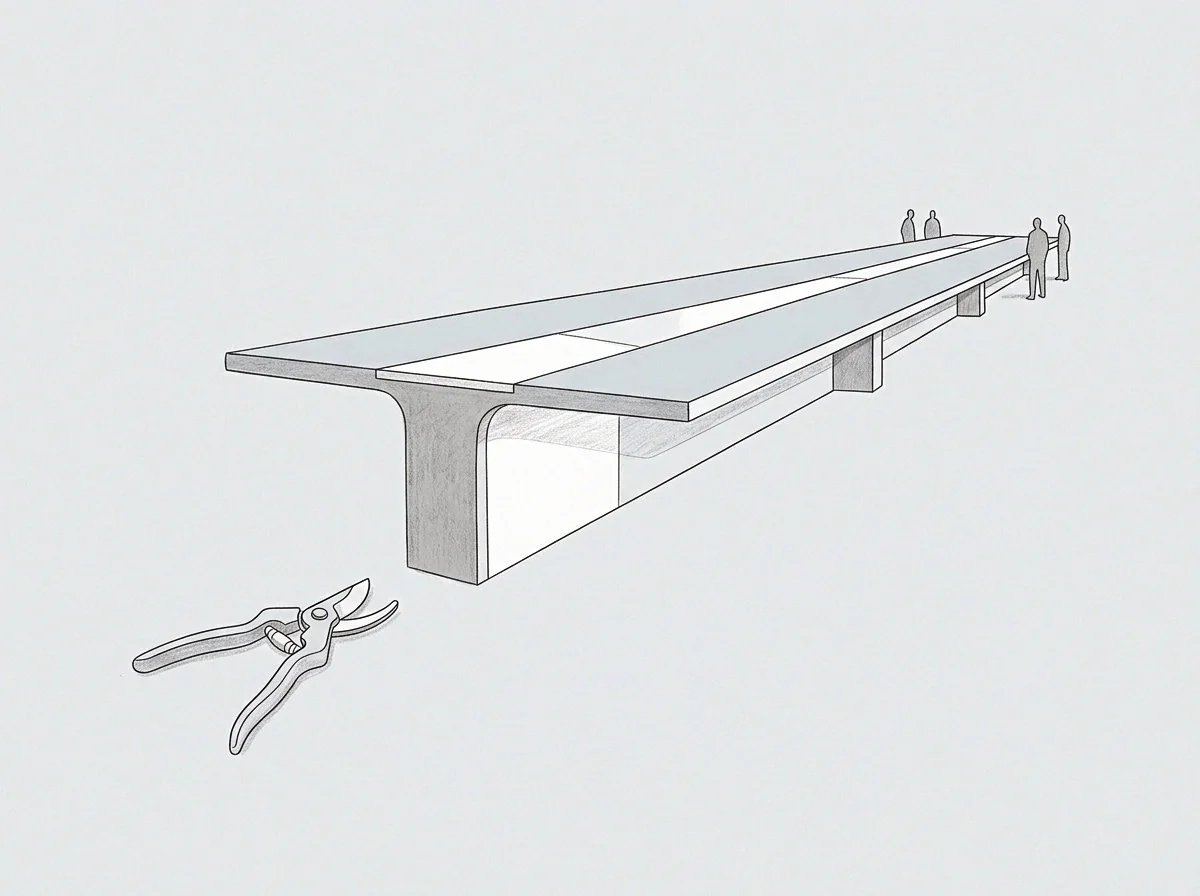
Floor
An owner who built an enterprise across fifteen years frequently sits at a desk covered in production tickets, customer service escalations, and vendor price sheets. The business generates twelve million dollars in annual revenue, yet every non-standard sales agreement waits beside the telephone for executive review. Operating systems exist on paper, but the actual execution routes through one person.
Morning hours belong to emergency scheduling adjustments. Afternoon hours absorb warehouse dispatch questions. Capital allocation, governance review, and market positioning move into late night isolation or disappear entirely.
The executive role has drifted downward into immediate maintenance.
In owner-managed commercial firms, prolonged downward executive drift converts the managing officer into an unpriced operational fail-safe. Company value rests on verifiable enterprise durability independent of any individual contributor. When executive hours sink into line functions, the enterprise loses the administrative architecture necessary to support autonomous continuity.
The business operates as an enlarged sole proprietorship masquerading as an autonomous corporation. What appears on income statements as stable operating profit masks severe capital fragility.
Operational absorption of the chief executive suppresses institutional independence whenever routine tasks bypass documented protocol.
This dynamic sets an artificial ceiling on organizational development. Skilled general managers refuse employment in firms where the principal regularly countermands line directives. Intermediate supervisory tiers hollow out.
Department heads defer routine judgment to avoid conflict with the owner. The operational floor rises to consume the entire executive remit. Value decay accelerates silently long before an owner attempts an equity transaction.
Every hour spent diagnosing field equipment deprives the business of market defense.

Friction
Valuation specialists evaluate enterprise quality by testing how easily operational systems generate cash flow when the primary shareholder steps away. When role drift persists across multiple financial quarters, internal friction compounds across every operating channel. Operating authority concentrates in the owner’s immediate memory rather than reproducible corporate repositories.
The firm incurs unrecorded administrative drags that distort standard earnings statements.
- Tacit operational substitution occurs when an executive performs daily dispatch coordination, client account balancing, and supplier dispute management without charging an arm’s-length market salary to divisional operating expenses.
- Decisional choke points emerge across operational units because front-line managers lack clearance to finalize commitments above minor financial thresholds. This delays project completions, inflates working capital requirements, and alienates Tier-1 counterparties.
- Systemic process atrophy degrades team execution quality over time as experienced functional leaders resign, leaving behind junior staff accustomed to seeking executive approval for routine variances.
The resulting operational viscosity directly damages cash generation stability. Unstated executive labor acts as an invisible operating subsidy. If the business hired market-rate professionals to run logistics, client onboarding, and technical QA currently absorbed by the owner, reported EBITDA would contract immediately.
Transaction diligence teams identify this substitution through deep labor reconciliations.
Unrecorded executive operational labor masks true departmental overhead until an arm’s-length audit recalculates earnings.
Institutional decay manifests across client retention profiles. Clients accustomed to twenty-four-hour mobile access to the principal resist dealing with newly appointed account managers. The principal becomes trapped inside customer service routines, unable to extract their calendar without jeopardizing active account billings.
When buyers discover that twenty percent of gross margins depend on the owner’s direct technical hand-holding, purchase negotiations stall or collapse.
Left unchecked, operational friction permanently locks enterprise capability to the physical stamina of a single ageing individual.

Multiple
Institutional acquirers and private capital sponsors discount owner-managed enterprises characterized by prolonged role drift. Enterprise value calculation relies on two baseline components: sustainable normalized cash flows and the capitalization multiple applied to those cash flows. Executive role drift impairs both sides of this valuation equation simultaneously.
The earnings base shrinks through labor normalization adjustments, while the valuation multiple compresses due to perceived transition risk.
| Observed Executive State | Reported EBITDA Margin | Labor Replacement Adjustment | Multiple Haircut | Net Valuation Impact |
|---|---|---|---|---|
| Isolated Governance Remit | 18.5 percent | 0.0 percent | 0.0x baseline | Zero enterprise discount |
| Intermittent Line Intervention | 17.8 percent | 1.5 percent deduction | 0.75x discount | 12 to 18 percent decline |
| Chronic Operational Entrenchment | 16.2 percent | 4.2 percent deduction | 2.00x discount | 35 to 48 percent decline |
| Full Functional Captivity | 14.0 percent | 7.5 percent deduction | 3.50x discount | 55 to 70 percent decline |
Capital markets apply heavy penalties to single-point operational vulnerabilities. A mid-market manufacturer generating three million dollars in reported operating income may trade at seven times cash flow under professional independent governance. That same manufacturer trades at four times adjusted cash flow when an acquirer discovers that the owner handles critical supplier negotiations, factory floor scheduling, and large-account retention.
The three-turn multiple deduction eliminates millions of dollars in net equity realization.
A transaction multiple drops steeply whenever an operating system requires the owner’s physical presence to clear daily shipments.
Prospective buyers quantify key-person exposure through escrow demands, aggressive earn-out structures, and seller-note holdbacks. Instead of cash at close, the seller receives contingent consideration spread over thirty-six to sixty months. The owner remains chained to the operating floor post-transaction, bearing the risk of business failure without retained strategic authority.
The enterprise cannot be purchased without purchasing the executive, and the executive is trying to leave.
Bind
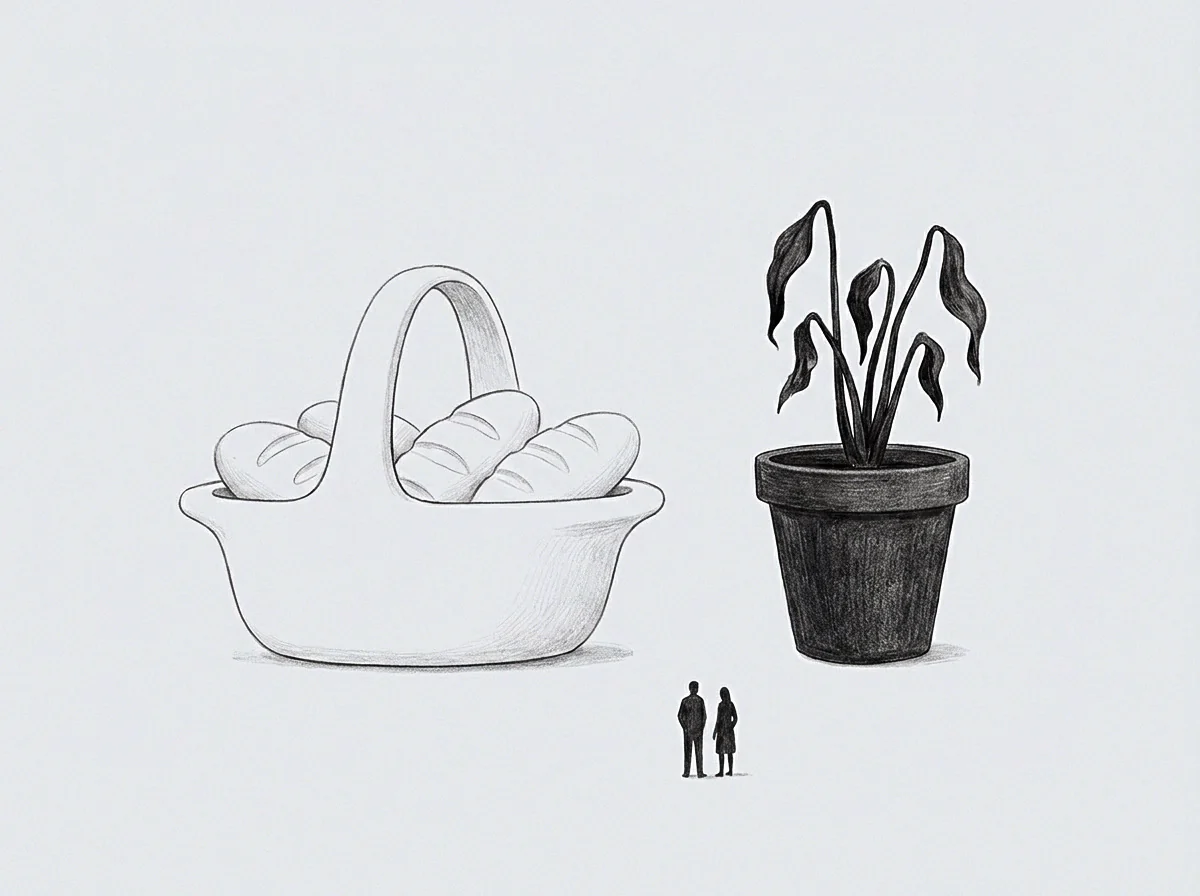
Breaking operational entrenchment proves extraordinarily difficult in mature owner-managed businesses. Cultural expectations harden over decades. Staff members view executive involvement as an entitlement or an insurance policy against personal error.
The owner experiences intense psychological friction when withdrawing from daily line decisions, misinterpreting delegation delays as personal disloyalty or operational incompetence.
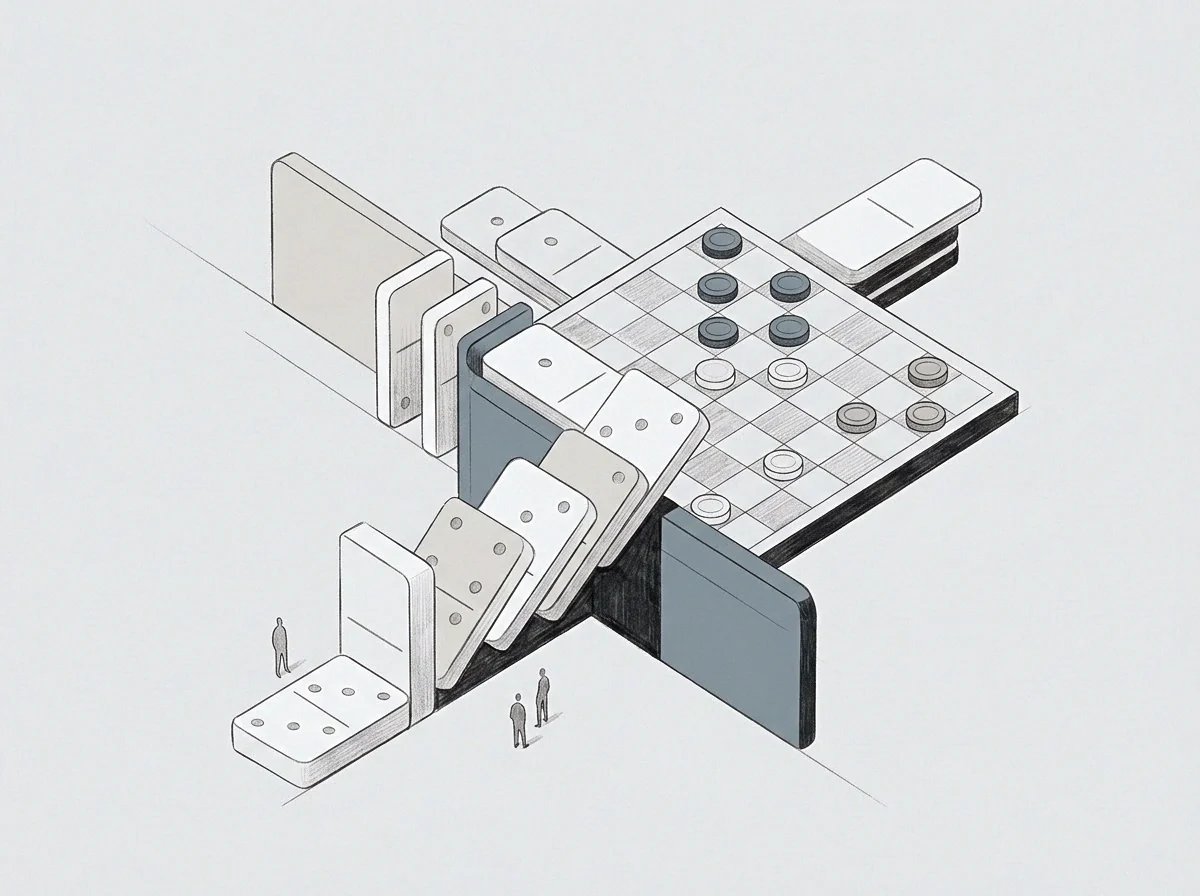
What Keeps the Executive Absorbed in Line Operations?
Underlying cognitive mechanisms sustain operational captivity even when the owner consciously desires strategic liberation. These patterns operate below executive awareness, reinforcing behavioral habits that destroy long-term enterprise transferability.
- Competence trap confirmation occurs when an executive derives personal validation from solving immediate technical emergencies rather than constructing durable managerial teams. The quick dopaminergic return of resolving a client crisis outcompetes the slow, ambiguous work of corporate governance.
- Agency cost paranoia drives excessive surveillance over small expenses and daily operating metrics. The owner assumes employees lack sufficient diligence, justifying constant intervention in purchasing, inventory replenishment, and production workflows.
- Information asymmetry protection emerges as the owner hoarding critical relationships, vendor pricing concessions, and proprietary execution formulas. Guarding operating detail preserves executive indispensability at the direct expense of transferable balance sheet value.
Control systems fail when built entirely around informal personal relationships. When the owner attempts to step back without rigorous restructuring, immediate revenue slippage often occurs. Sales dip because client handoffs were informal.
Production backlogs grow because supervisory personnel never received proper training in line scheduling. The owner panics, re-enters daily operations, and concludes that delegation is impossible.
A governance boundary holds only when management accounts for every hour of line work transferred to professional staff.
The cycle resets with increased institutional resistance. Key department heads feel undermined by the owner’s sudden re-emergence and cease exercising personal agency. Administrative sclerosis deepens, guaranteeing that any future equity monetization event will face severe price deductions.
Does the owner genuinely seek an autonomous asset, or does personal identity demand absolute operational indispensability?
Partition
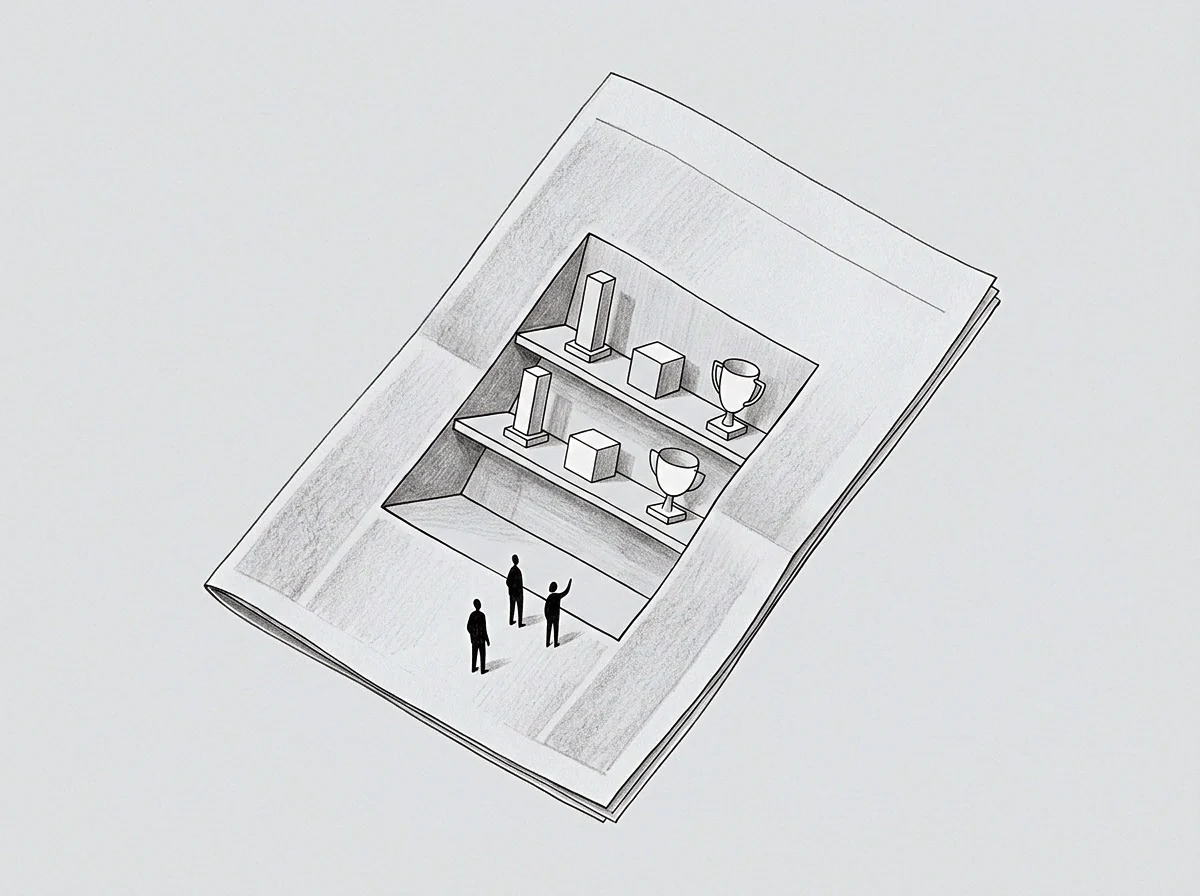
Restoring lost enterprise value requires a formal structural separation between corporate governance, asset ownership, and daily operational management. This operational partition cannot be accomplished through casual verbal agreements or half-hearted delegation experiments. It demands rigorous corporate restructuring, legal reallocations of operational sign-off authorities, and the formal institutionalization of independent leadership.
Executive duties belong in a documented corporate charter. The owner must formally vacate line seats, transferring daily P&L accountability to an appointed chief operating officer or general manager. This handover must be accompanied by explicit capital expenditure authorization limits, formal reporting cadences, and objective performance milestones.
The former operator transitions exclusively into board-level governance, strategic oversight, and capital stewardship.
Realigning organizational authority requires complete executive withdrawal from customer-facing operations. Key client accounts must be systematically reassigned to professional account executives over a mandatory twelve-month transition schedule. Any communication from major customers directly to the owner must be routed immediately through appointed management personnel without executive intervention.
The operating agreement specifies that operational line authority vests entirely in the appointed management committee, permanently barring direct shareholder intervention in daily execution.