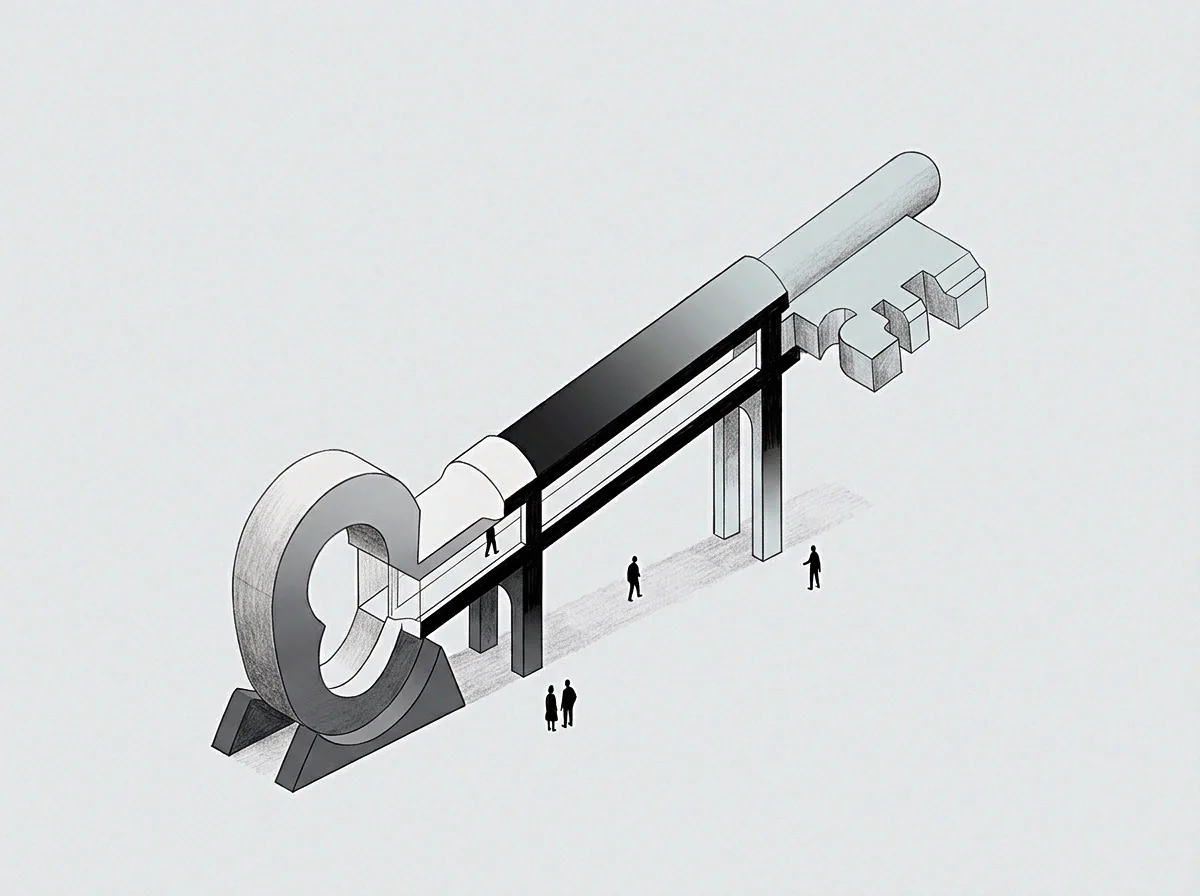
Meaning
Separation points within a distributed system delineate the scope of responsibility for individual service teams. Establishing microservice boundaries allows a founder to delegate technical domains to specific leads without creating dependencies. These limits define where a specific piece of software begins and ends.
Domain Isolation
Protecting the integrity of a functional unit requires a clear understanding of its purpose and its data. When microservice boundaries are properly placed, a change in the billing service does not require a simultaneous update to the user profile system. This isolation reduces the cognitive load on developers who only need to master one area.
Operational Overhead
Running many small services introduces a new category of costs in monitoring and deployment. While the founder gains the ability to hire for specific silos, the firm pays for it in the complexity of its infrastructure. The effort required to manage these connections can consume the attention of senior engineers.
Maintenance of a large network of services requires a dedicated platform team to handle the networking and security layers, which adds a permanent salary burden to the balance sheet.
Structural Flexibility
Adjusting the size and shape of teams becomes easier when the software is already partitioned. These microservice boundaries allow the organization to swap out legacy components without a total rewrite of the platform. The ability to pivot technical strategy depends on the cleanliness of these lines.