Meaning
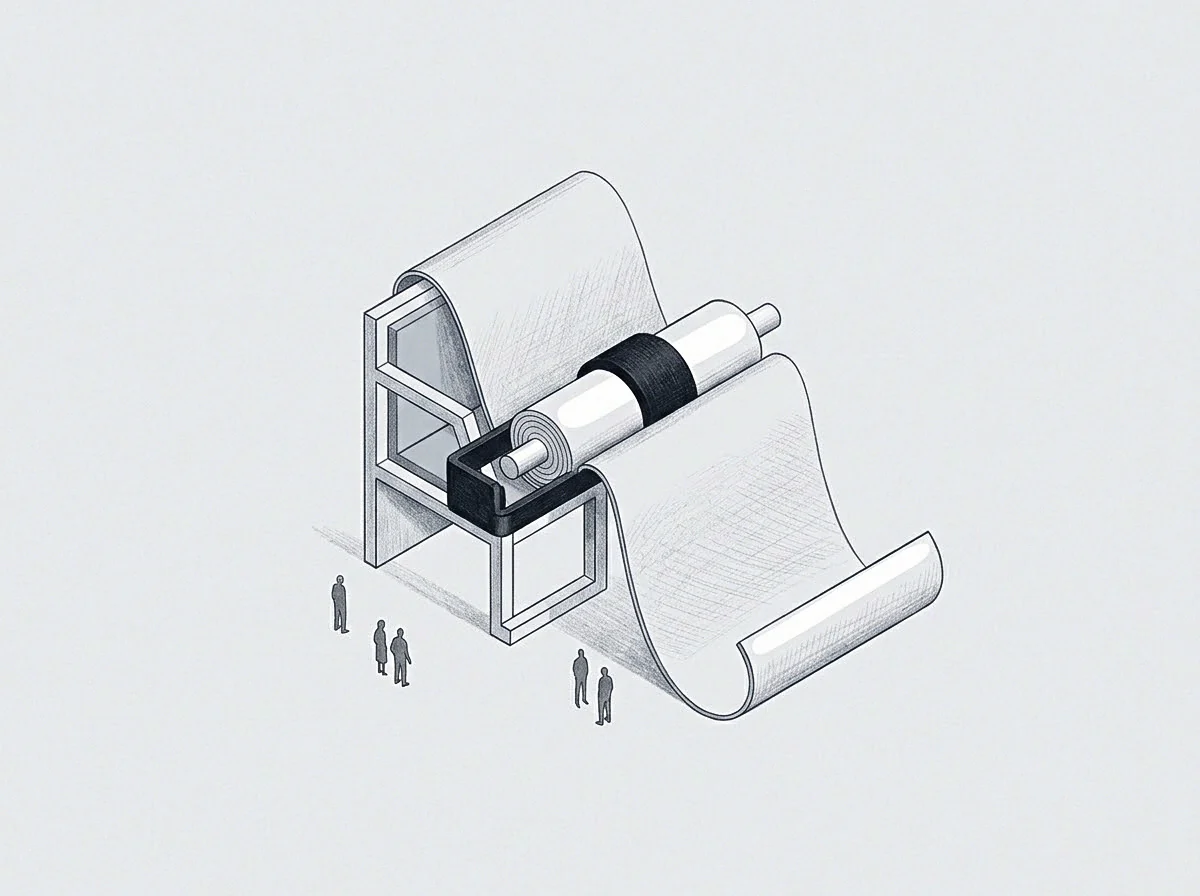
Structural design of the processes and systems required to execute the strategy of an enterprise defines this concept. An operational architecture provides the blueprint for how work flows through the organization from input to output. This framework determines the efficiency of the company and its ability to handle growth without collapsing.
Functional Logic
Building a successful system requires a clear understanding of the dependencies between different tasks. Each part of the architecture must support the overall goals of the business while minimizing friction and redundancy. When the design is logical, information and resources move smoothly through the company.
This structural clarity allows the team to work effectively without constant intervention from leadership.
Scalability Pattern
A well designed architecture can accommodate an increasing volume of work by adding more resources to the existing framework. This pattern avoids the need for a total redesign every time the company grows. The capacity of the system to scale depends on the modularity of its components.
This foresight prevents the founder from becoming a bottleneck during periods of rapid expansion.
Strategic Stability
Strategic architecture remains the foundation of the organization’s daily life. It provides the stability needed for long term planning and execution. A strong structure survives the departure of individual leaders because the processes themselves are reliable.