Meaning
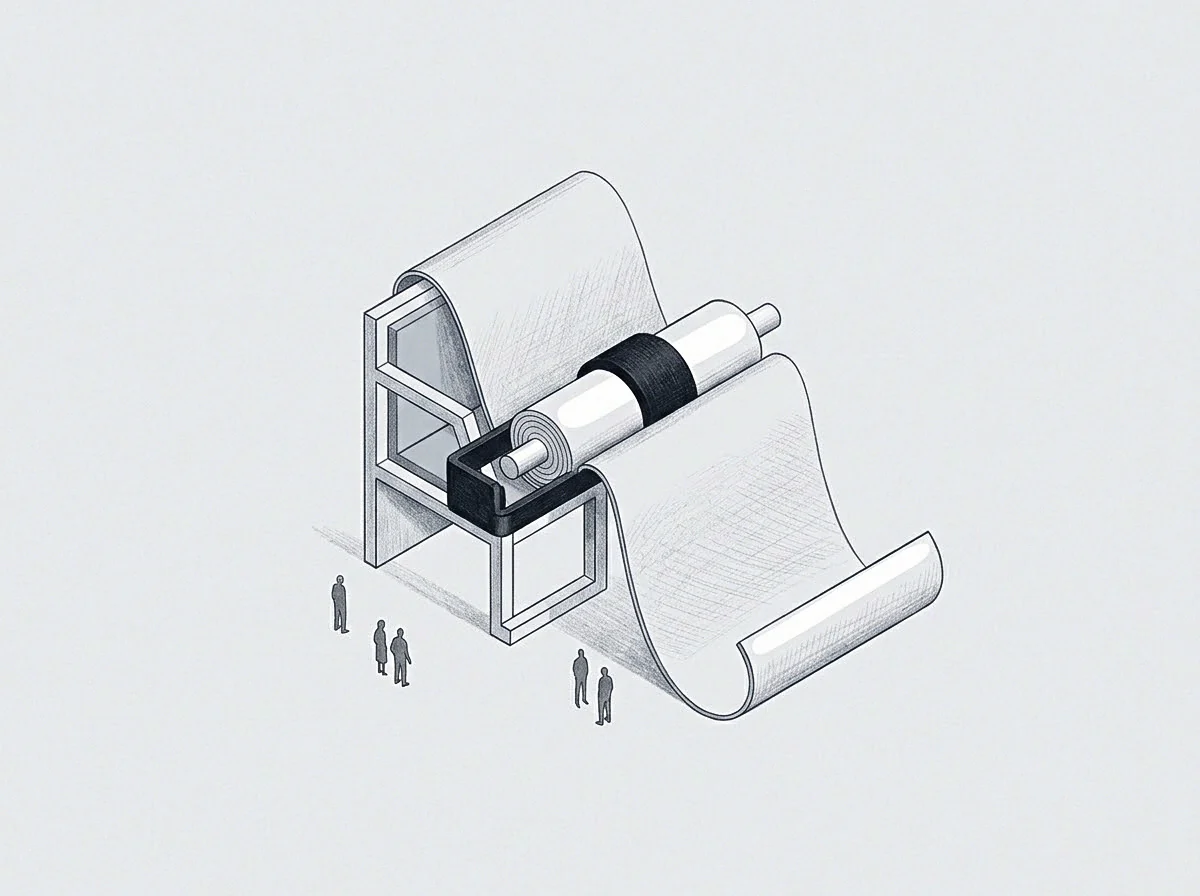
Financial constraints established within an organization to restrict the maximum amount of capital a specific role can commit without additional approval define these rules. Expenditure limits function as a control mechanism that aligns operational speed with fiscal responsibility. This metric defines the degree of autonomy granted to a manager or operator in their daily work.
Fiscal Constraint
Controlling the flow of capital is essential for the survival of any enterprise. By setting clear limits, a founder can ensure that large expenses are reviewed and approved before the money is spent. This prevents unauthorized or unnecessary purchases that could jeopardize the company’s cash flow.
The limits are typically adjusted based on the seniority and experience of the person in the seat.
Autonomy Level
High limits allow managers to act quickly and make decisions without waiting for permission. This speed is often necessary for maintaining the velocity of the organization. However, the cost of this autonomy is the risk of poor financial assessment.
Finding the right parity requires a deep understanding of the operator’s capabilities and the company’s financial health.
Control Mechanism
Consistent enforcement of these limits builds a culture of accountability and fiscal awareness throughout the team. Success depends on the predictable application of these rules.