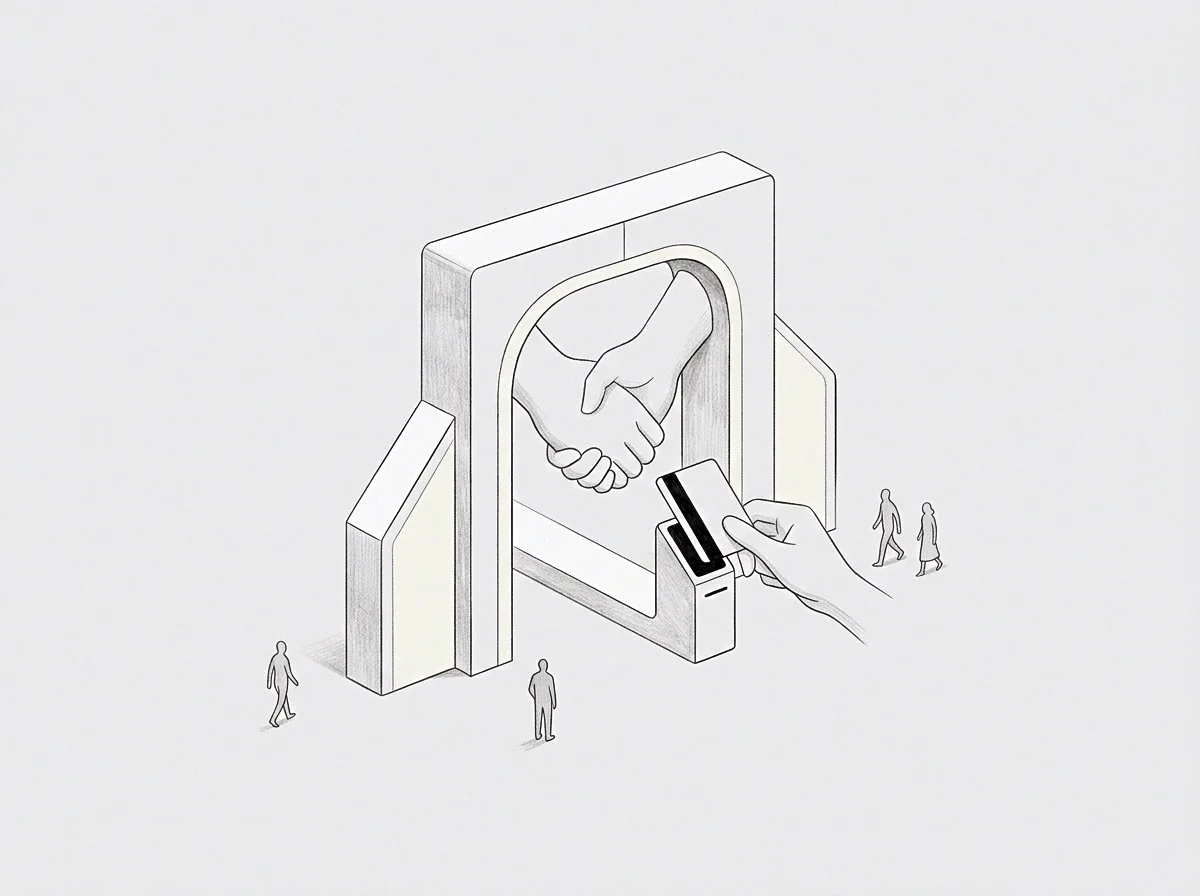
Meaning
Role entanglement represents the institutional trap where an executive or business owner cannot disengage from day-to-day administrative execution without causing enterprise failure. In post-founding stage companies, operational capture binds the founder to frontline technical duties long after leadership transitions were planned. The condition governs delegation deficits, single-person dependencies, workflow centralization, and succession readiness.
It stops applying once documented standard operating procedures and functional management successfully decouple daily output from individual founder presence.
Entanglement Mechanism
Undocumented institutional knowledge and unstandardized workflows force tactical decisions up to the founder continuously. Through operational capture, the enterprise remains structurally dependent on the unique skills, client relationships, or system authorizations held by that single person. Every customer issue or technical bug requires manual intervention.
Subordinate personnel act solely as messengers who pass operational problems upward.
Owner Disablement
Being locked into routine operations prevents the individual from inhabiting the broader responsibilities of the ownership seat. When operational capture dominates daily existence, the founder spends seventy hours a week on billing and technical scheduling while neglecting long-term capitalization and corporate governance. This continuous tactical immersion consumes personal energy and limits the hours available for enterprise valuation building.
The founder cannot step back into a pure board role without the company stumbling. Fatigue accumulates because the operator cannot leave the building without revenue slowing immediately.
Handover Failure
Improvised succession attempts inevitably collapse when operational capture conceals tacit operational procedures that were never transferred to replacement personnel.