Meaning
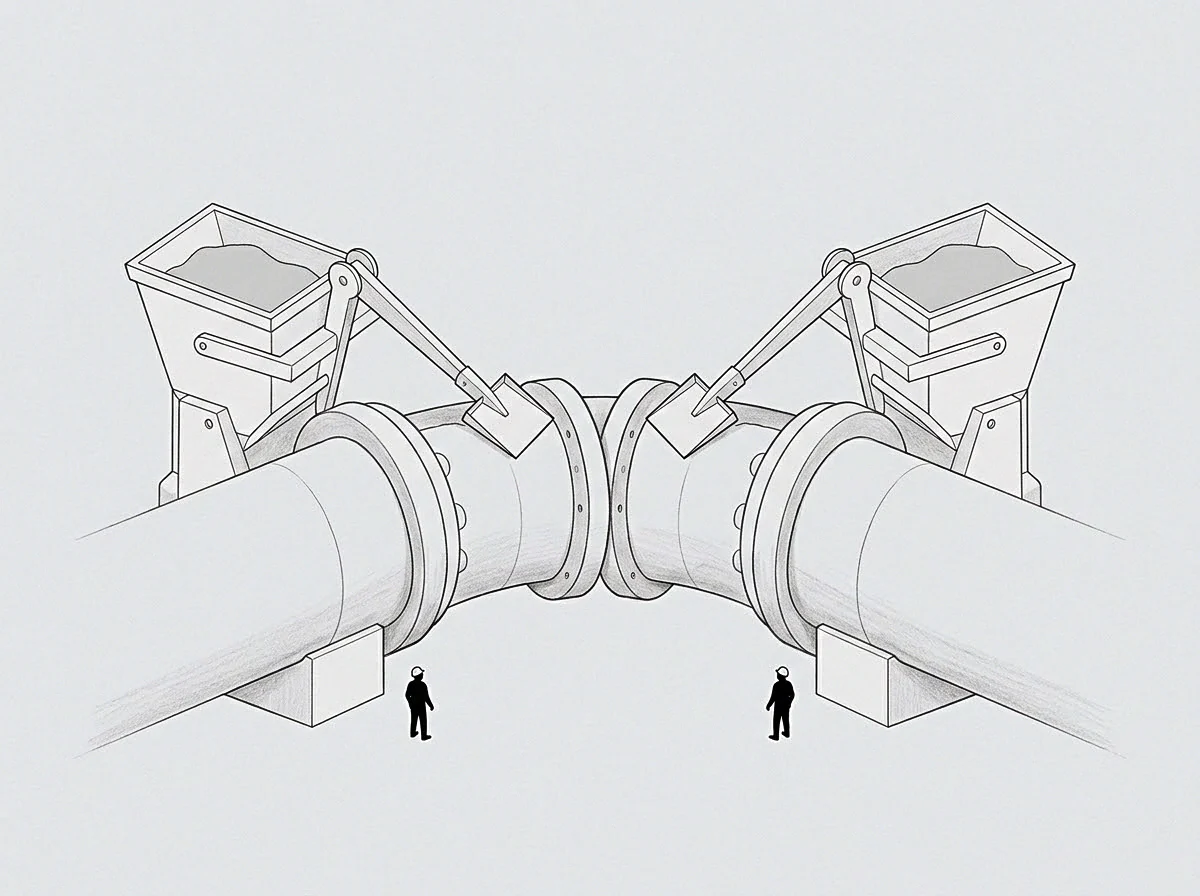
Handover process where the daily duties of a specific business function are moved from the founder to a professional manager. This shift involves the documentation of tasks, the training of the new lead, and the formal relinquishing of decision-making power. In an operational functional transfer, the founder identifies a discrete part of the business, such as marketing or sales, and builds a system for it to run without their direct input.
This allows the founder to focus on higher-level strategy or other areas that still require their unique skills. The cost is the energy required to codify intuition into a repeatable process.
Codification Phase
Creating a manual for a role that was previously performed through instinct is the first step in the process. During an operational functional transfer, the founder must record every key decision point and the criteria used to evaluate success. This often reveals that the founder was holding more complexity in their head than the organization realized.
The act of writing these rules down makes the function more stable but also more rigid.
Successor Integration
Hiring or promoting someone to take over a function requires a period of close observation. The operational functional transfer is not complete until the new lead can achieve the desired outcomes without asking for guidance. This phase is often difficult for founders who are used to being involved in every detail.
It requires a conscious effort to step back and allow the new person to find their own rhythm.
Boundary Definition
Defining the limits of the new lead’s authority is necessary to prevent them from overstepping into other areas. The operational functional transfer is bounded by the specific goals and budgets assigned to that department. When the founder stops receiving daily updates and starts looking at monthly reports, the transfer is successful.