Meaning
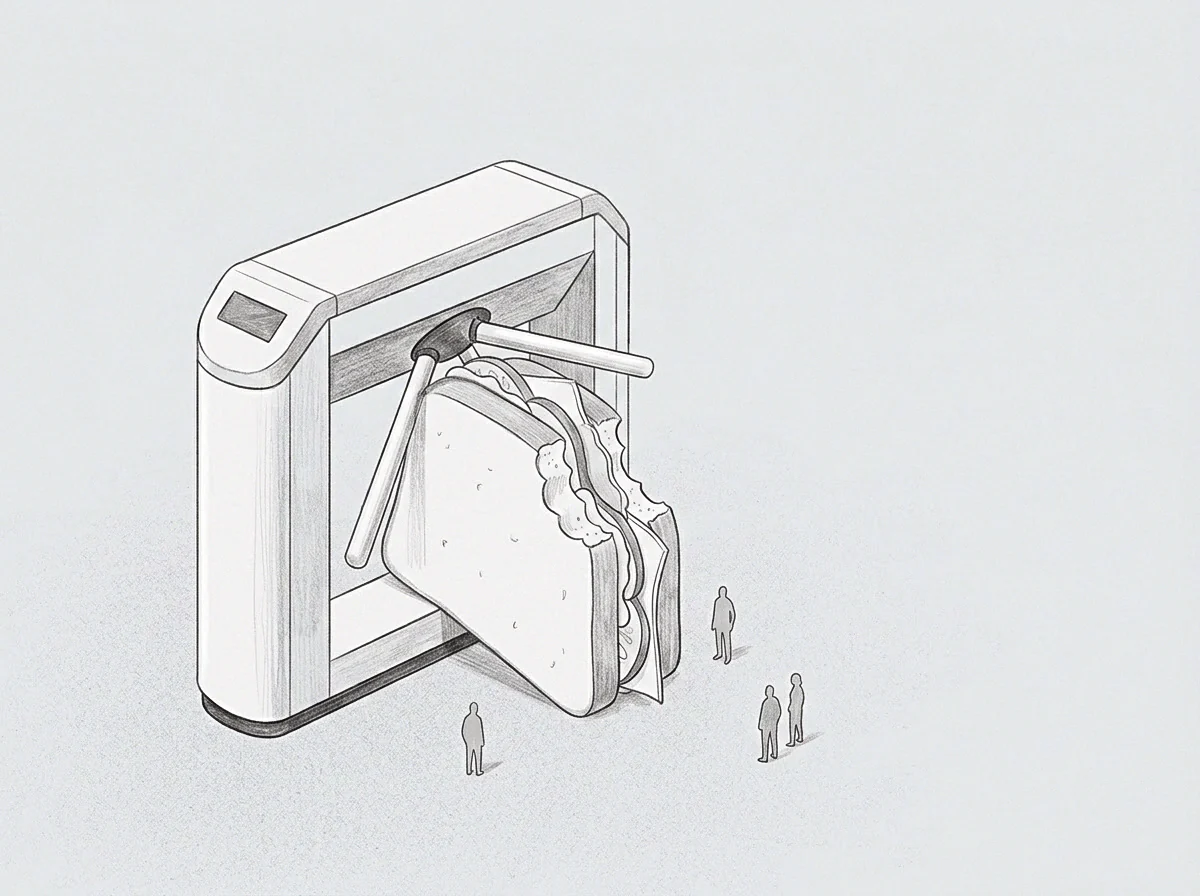
Contractual partitioning determines whether a departing founder, an incoming executive team, or an acquiring corporation bears the financial fallout of historical commercial acts. Through operational liability allocation clauses, transaction documents assign explicit fiscal responsibility for past employee misclassifications, vendor disputes, defective product runs, and commercial lease guarantees. The process segregates enterprise exposures into distinct historical and forward-looking categories, capping or releasing obligations via agreed indemnification baskets, survival caps, and tailored holdbacks.
Negotiation Friction
Designing this boundary forces founders into protracted commercial friction with acquirers who insist on keeping past operational liabilities tied to the individuals who ran the firm. Finalizing an operational liability allocation agreement requires the exiting operator to review historical accounting records, early partner releases, and loose commercial contracts to quantify maximum exposure. The mental energy expended defending against expansive indemnity demands reduces the personal capacity available to orchestrate a clean operational handover.
Ambiguity invites post-closing litigation.
Structural Mechanisms
Legal instruments use specific financial thresholds, such as deductibles, tipping baskets, and general indemnity caps, to define commercial boundaries precisely. A robust operational liability allocation contract establishes that minor warranty claims below an agreed deductible remain the buyer’s responsibility, while extraordinary regulatory fines fall back on previous management. Acquirers use rep and warranty insurance to soften this friction, transferring risk to third-party underwriters and preserving transaction consideration.
Risk transfer costs real money.
Clean Severance
Finalizing the structural division of operational liabilities permits a founder to fully step down from the operational seat without fearing sudden claims from past choices. Without unambiguous operational liability allocation terms, an exited executive remains vulnerable to unexpected demands for indemnity years after handing over the keys. Precision in these clauses ensures that enterprise risk follows corporate control, allowing the founder to transition cleanly from operator to outside investor.