Meaning
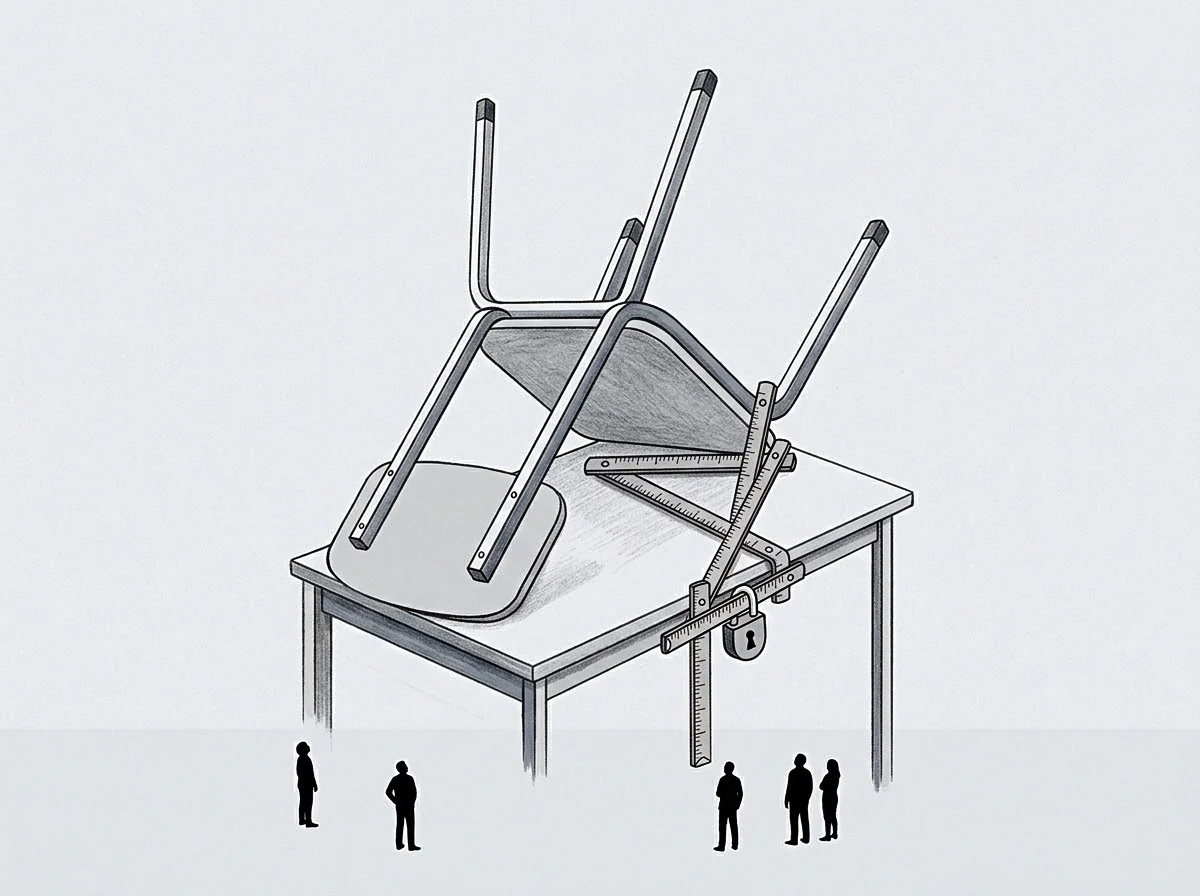
Legal instruments formalize the end of an individual’s personal responsibility for the day to day activities of a corporation. An operational release deed protects a departing founder from future claims arising from actions taken while they held an executive seat. It governs the transfer of liability from the person to the entity and ensures a clean break upon resignation.
This protection applies only to the specific period and scope of work defined in the document.
Liability Severance
Liability severance requires the specific naming of all past corporate actions to be covered by the indemnity. The operational release deed acts as a shield against potential lawsuits from shareholders, employees or regulatory bodies regarding decisions made during the founder’s tenure. Without this document, the individual remains personally exposed to the risks of past operational failures.
Securing this release is a critical step in the exit process, often involving intensive negotiation during the final weeks of employment.
Transition Window
The transition window usually covers the period between the signing of the exit agreement and the final handover of duties. An operational release deed is typically executed at the end of this window once all pending tasks have been completed to the board’s satisfaction. This timing ensures that the company is fully aware of all potential liabilities before it agrees to indemnify the departing individual.
The process demands a high degree of transparency regarding any outstanding disputes or financial irregularities.
Professional Indemnity
Professional indemnity provides the financial backing for the promises made in the release document. The company must often maintain insurance policies that cover the departing founder for several years after their exit. This ongoing cost ensures that the individual’s personal assets are not at risk from delayed claims.
The deed prevents legacy issues from consuming the capacity of the person in their new role.