
Mapping Functional Roles Before Initiating Executive Succession Planning
Mapping functional roles separates bundled executive duties into distinct operational seats, eliminating candidate profile traps and securing continuity.

Stack
An executive signs off on payroll at midnight, switches tabs to approve an enterprise sales discount, and finishes the night drafting technical specifications for a database migration. The business card reads chief executive officer, but the calendar holds five separate operational jobs carried out by one person. When succession talks begin under that general title, boards and owners look for an identical replacement.
The search stalls because an executive title is an administrative label, not an accurate functional job description.
Succession planning starts by breaking that container down into concrete responsibilities before evaluating candidates. In early and mid-market companies, the executive accumulates duties out of convenience during growth phases. Over years of daily adjustments, distinct functions fuse into unexamined personal routine.
Incumbents rarely document these tasks because handling them feels automatic.
A title describes formal corporate standing while functional mapping defines the operational actions that produce commercial continuity.
The split between the nominal title and actual day-to-day work creates structural vulnerability during leadership handoffs. When an executive prepares to step down, their workload generally falls into three areas:
- Direct functional execution covers technical and operational tasks that yield concrete work products without requiring executive delegation.
- Administrative oversight encompasses statutory filings, banking authorizations, compliance attestations, and formal personnel sign-offs.
- Relational capital arbitration governs discretionary disputes between departments and maintains informal trust bridges with legacy commercial partners.
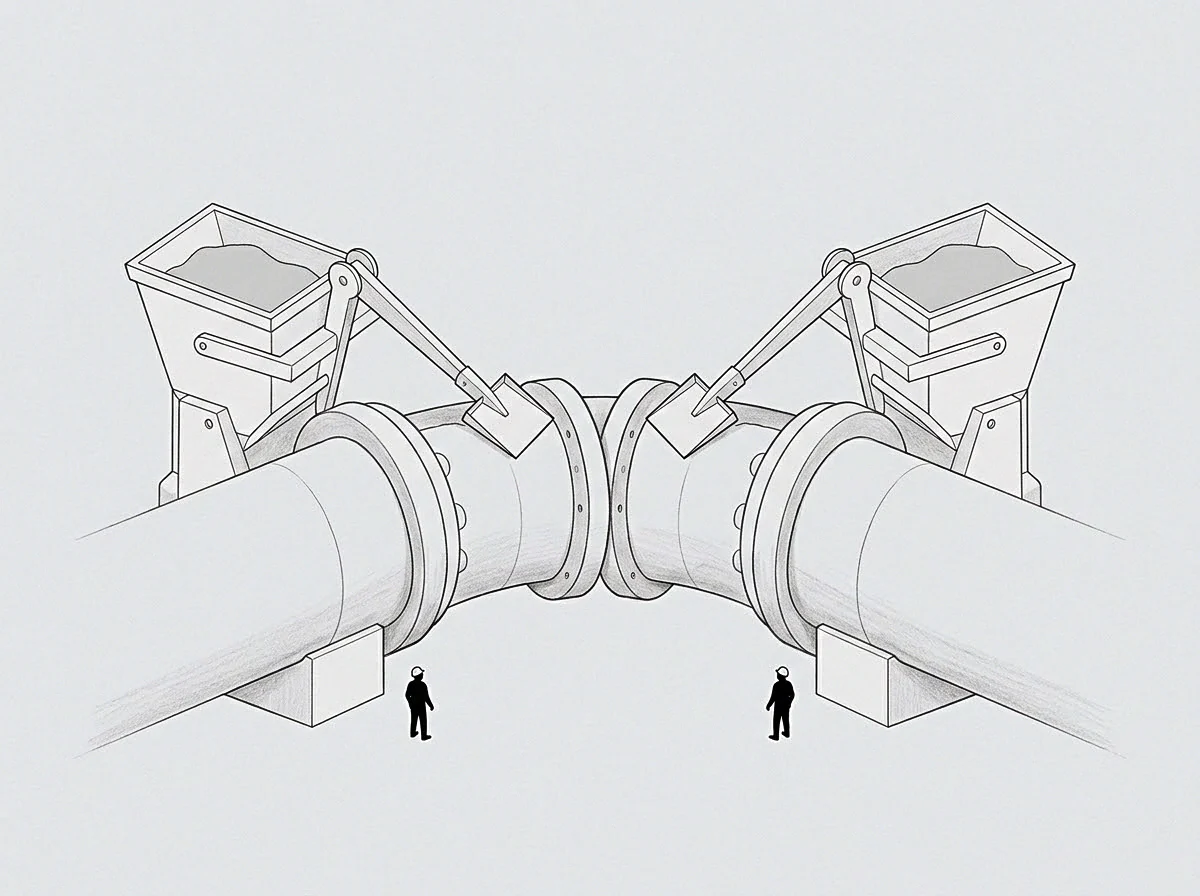
Deconstructing Operational Density
A functional role audit records every recurring decision point across a fiscal quarter, separating formal reporting lines from operational reliance. An engineering director may report on paper to a chief operating officer, while the chief executive still runs architecture reviews because of an earlier technical background. Mapping reveals these hidden operational dependencies apart from the official organizational chart.
Without this functional breakdown, executive recruitment searches for an impossible candidate. Search committees look for a recruit with deep technical expertise, enterprise sales ability, capital allocation experience, and administrative rigor. Candidates carrying all four disciplines do not exist in the open talent market.
The position then stays vacant for quarters, or a hire arrives who handles one functional area well while the unmapped responsibilities slip into operational neglect.

Span
Separating individual ability from organizational design requires sorting each mapped function by decision rights, information velocity, and tacit knowledge concentration. An executive seat can maintain a broad span of control, but spreading attention across unrelated disciplines degrades decision quality as volume grows. Functional mapping sets clear boundaries around clusters of related decisions, establishing coherent operating posts.
A full functional map defines the limits of operational domains. Each domain requires written documentation covering inputs, necessary technical skills, spending or authority limits, and expected outputs. This explicit division keeps unassigned operational work from drifting back onto the executive desk.
Clear functional boundaries protect incoming successors from assuming undocumented organizational debts.

Can Functional Ownership Precede Title Succession?
Handing mapped functional responsibilities to the existing leadership team before naming an executive successor stabilizes operations. In practice, the incumbent transfers specific functional groups over several quarters. Finance takes over capital expenditure modeling, product management owns roadmap trade-offs, and commercial heads assume contract margin authority.
This phased handoff shows whether operating stability relies on title authority or system design. The organization sees how individual managers handle wider operating remits while the incumbent is still available for guidance. Decision latency falls when authority sits with functional leads rather than moving through an executive bottleneck.
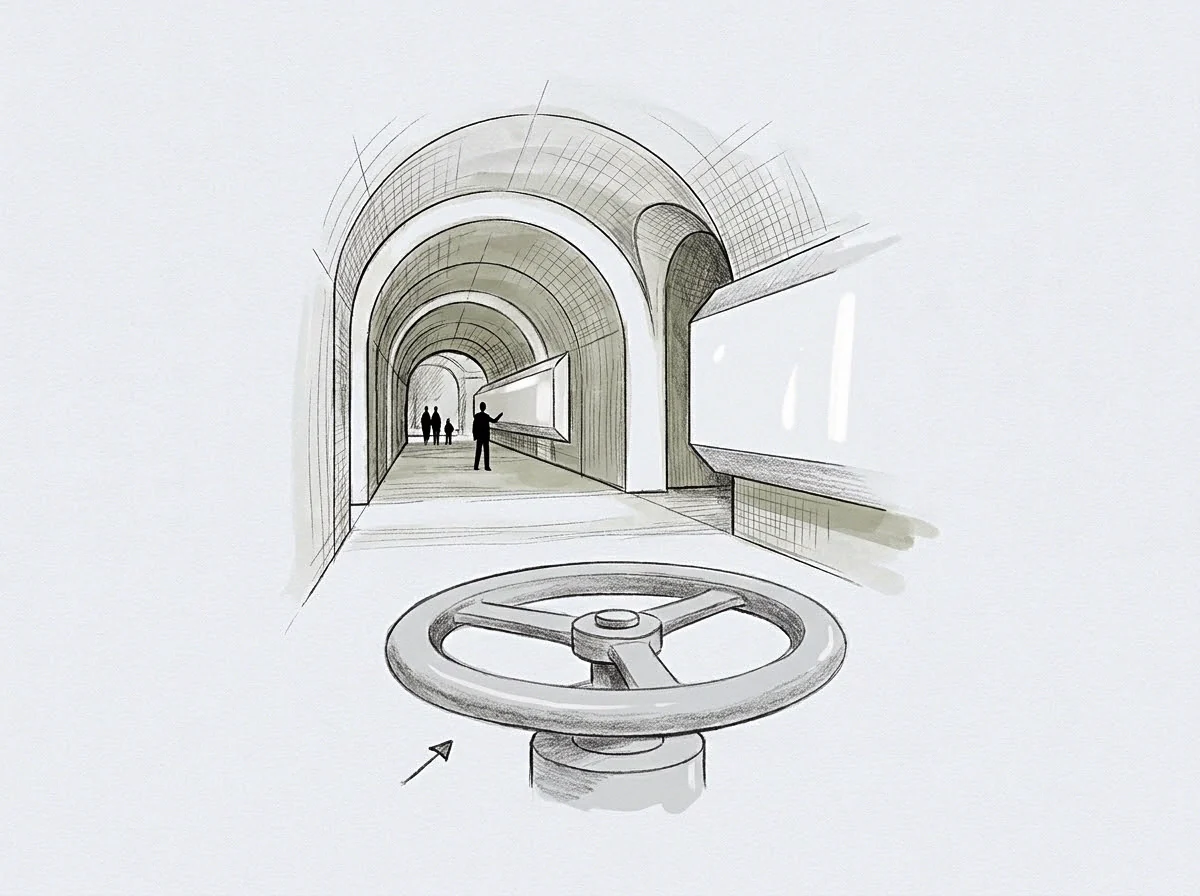
Scaffolding Latency Across Operating Domains
Transferring functional domains requires a deliberate step-down in support. The incumbent shifts from direct execution to oversight, moves to observational review, and eventually leaves the operating loop entirely. If support drops away all at once, the incoming manager hesitates on decisions or escalates minor questions back to executive leadership.
A structured functional handoff insulates operations against disruption during the final executive departure. Responsibility settles into documented operating routines that outlast leadership changes.

Bracket
Comparing bundled executive execution with distributed functional mapping shows measurable differences in operating stability, recruitment feasibility, and capital risk. When an executive post holds several unmapped functions, a failure in any single area threatens the whole organization. Mapping functional roles spreads operational exposure across distinct, self-contained posts.
| Evaluation Dimension | Bundled Executive Role | Mapped Functional Distribution |
|---|---|---|
| Candidate Pool Availability | Restricted to rare profiles matching incumbent background | Expanded across specialized market candidates |
| Decision Latency | High queue times at executive approval bottleneck | Low latency through direct domain authority |
| Tacit Knowledge Residue | High concentration retained inside executive memory | Low residue distributed across documented operating seats |
| Successor Failure Risk | Catastrophic operational stall across multiple divisions | Isolated functional variance contained within single domain |
| Onboarding Timeline | Twelve to eighteen months of unstructured discovery | Three to six months against defined operating boundaries |

Distribution Of Clustered Responsibilities
Take a manufacturing firm generating fifty million in revenue, run by a founding executive for twenty years. The executive negotiates supplier prices directly, manages banking relationships, sets research priorities, and resolves customer delivery disputes. An unmapped succession effort searches for a single executive who matches that exact range of duties.
Market compensation for that profile exceeds the company’s budget, and previous external hires failed within nine months.
Mapping the functional seats opens a workable path. The company assigns supplier negotiations to the head of procurement with clear financial limits. Banking oversight moves to the financial controller with quarterly board reporting.
Customer dispute resolution shifts to regional sales heads under updated service terms. The executive search can then focus entirely on long-term governance, capital allocation, and executive management.
A distributed functional architecture ensures that institutional performance outlives individual personality.
The incumbent can observe the new operating structure without intervening directly, while leadership works under explicit mandates and clear authority parameters.

Hinge
The final succession phase begins once the organization finishes functional mapping and role redistribution. With accumulated operational tasks removed, the executive seat carries clear governance boundaries and explicit strategic goals. Successor candidates can evaluate the position against defined operating expectations instead of navigating an unwritten personal routine.
During the handover period, when the successor takes the title while the predecessor remains on hand, friction usually surfaces around leftover boundary ambiguities. When an unassigned task appears, the predecessor avoids stepping in directly. Instead, the predecessor and the board assign the new responsibility permanently to the appropriate functional seat.

The Mechanics Of Phased Transition
Documented operating procedures bridge the transition between leadership tenures. The incoming executive enters a governance framework anchored by domain leads rather than an operational gap that requires immediate triage. This baseline stability lets the successor focus attention on capital strategy, organizational development, and market positioning.
Executive employment agreements aligned with these functional boundaries establish transition milestones based on demonstrated functional autonomy rather than fixed calendar dates.