Meaning
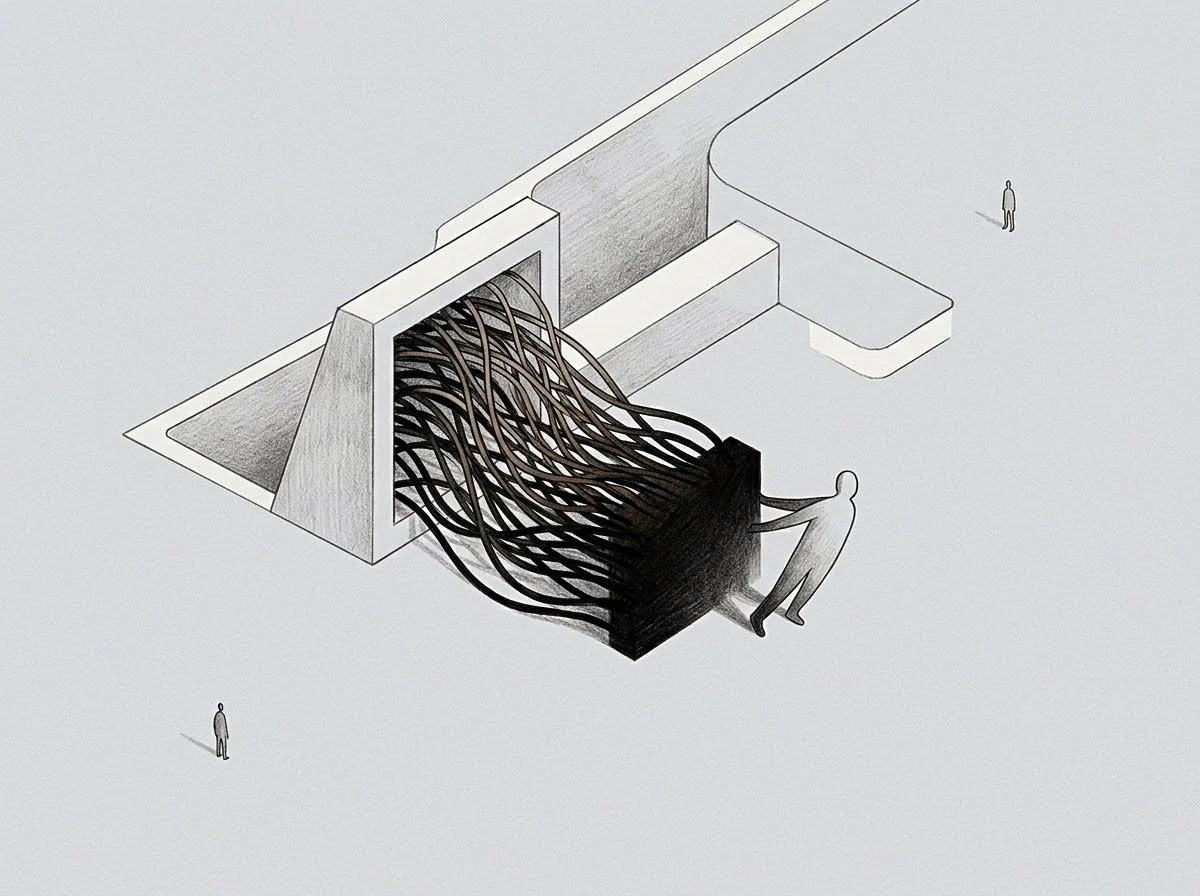
Distribution of responsibility for potential business failures or losses between different parties in a contract. Through operational risk allocation, a founder and a buyer agree on who will bear the cost of system failures, employee errors, logistics delays, or supply chain disruptions. This structure defines the financial and legal boundaries of each seat during a transition.
It stops applying once the full ownership and operational control have migrated to the new entity.
Risk Assignment
Contractual clauses specify which party handles specific types of operational failures during the transition period. Effective operational risk allocation prevents disputes by naming the responsible individual before a problem occurs. This clarity saves the founder in mental energy and legal costs.
It allows the person leaving the seat to focus on the handover rather than on constant defensive monitoring.
Transition Cost
Managing the potential for failure requires a founder to maintain a certain level of oversight even after a sale is agreed upon. Because operational risk allocation often keeps some burden on the seller, the founder pays in hours to ensure the new management follows established safety and quality protocols. This continued involvement prevents a clean mental break from the company.
The cost in capacity is high if the new operator is inexperienced or prone to error. Such an arrangement forces the founder to act as an informal auditor of their own former seat. Constant monitoring of these risks prevents unexpected financial losses.
Insurance Integration
External policies are often used to mitigate the impact of the risks identified in the agreement. Integrating insurance into the operational risk allocation plan provides a safety net for both the founder and the buyer. This step reduces the personal financial exposure of the individual in the owner seat.
It provides a formal mechanism for resolving large-scale losses.