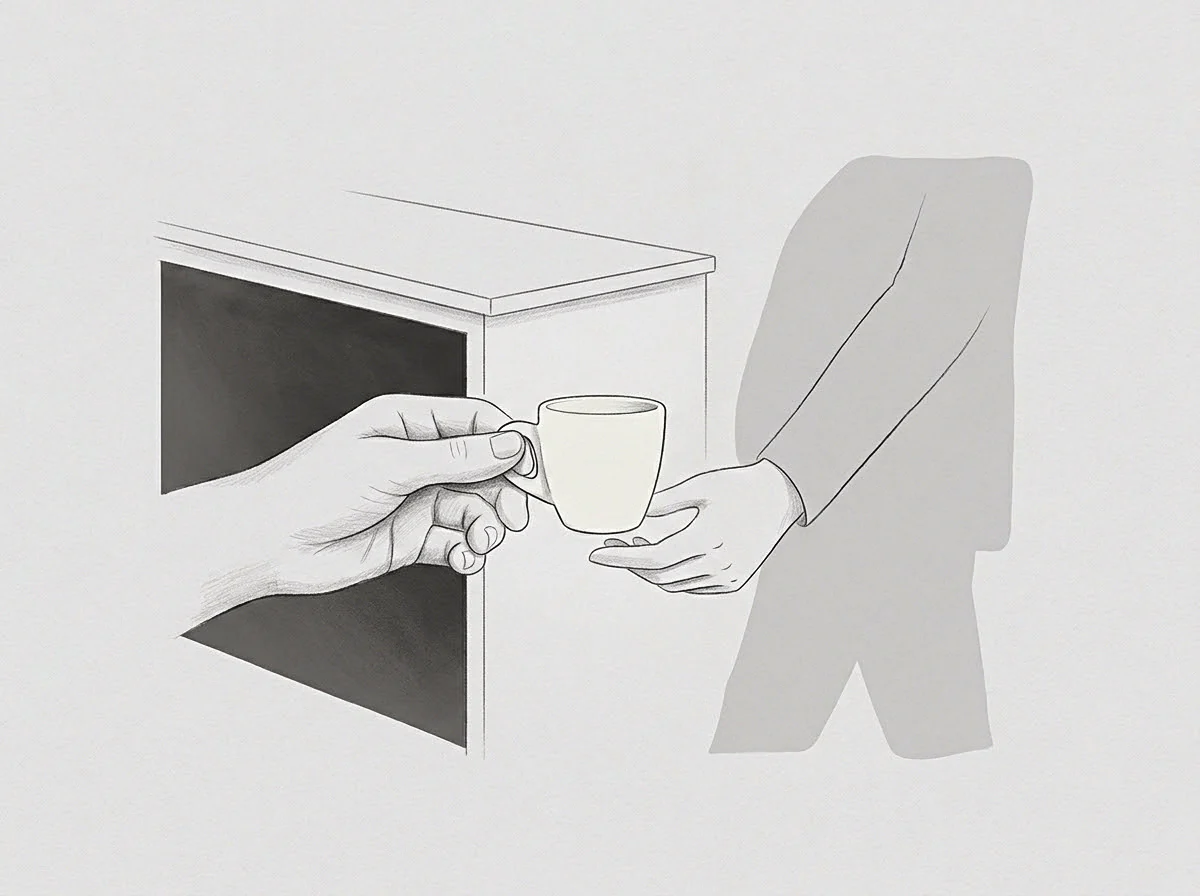
Meaning
A temporary set of systems and structures supports a business during periods of growth or transition. The operational scaffold provides the necessary stability to allow the company to scale without collapsing. This arrangement includes interim management roles and basic software tools and outsourced services and temporary staff.
It is removed once the permanent infrastructure of the firm is strong enough to stand on its own.
Structural Support
Early systems act as a framework that holds the organization together while the core processes are being built. An operational scaffold allows a small team to handle a larger volume of work than their formal roles would suggest. This support is essential for surviving the rapid expansion that often follows a successful launch.
Systemic Bridge
Transitioning from an informal startup to a mature corporation requires a path that people can follow. Using an operational scaffold, a founder can gradually introduce more formal procedures without stifling the creative energy of the team. This bridge allows for the testing of new roles and workflows before they are made permanent.
The cost of maintaining this temporary structure is the time spent on coordination and the eventual effort required to dismantle it. Many firms fail because they leave the scaffold in place too long, which creates a drag on efficiency.
Removal Trigger
Identifying the point when the temporary support is no longer needed is a task for a leader. As the permanent systems of the company mature, the operational scaffold should be phased out. This removal marks the final stage of a successful organizational transition.