Meaning
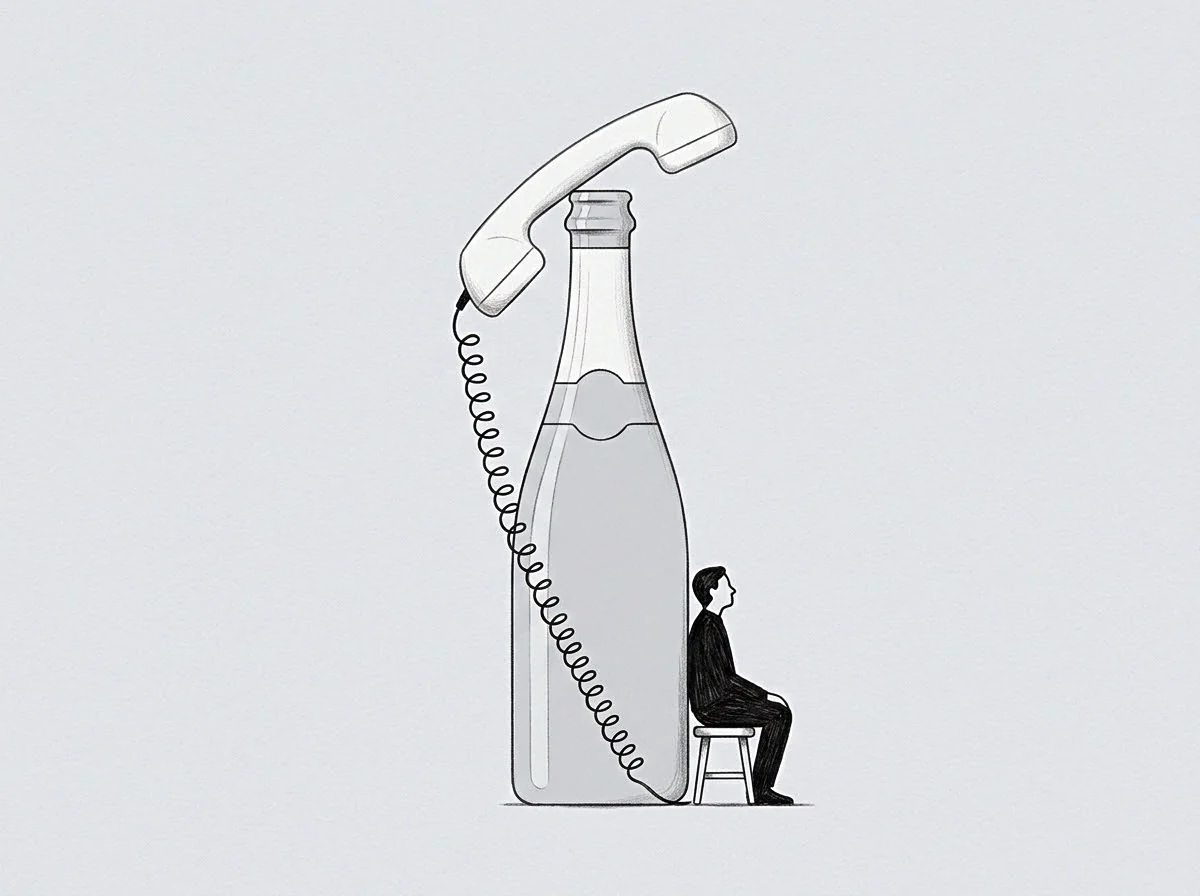
State of diminished mental or physical capacity resulting from prolonged periods of task execution defines this condition. Excessive operator fatigue leads to a measurable decline in focus and an increase in the frequency of errors. This measurement identifies the point where the cost of continuing to work exceeds the value of the output produced.
Performance Decay
As tiredness increases, the brain’s ability to process complex information and make sound decisions begins to fail. The operator may start to overlook small details or take shortcuts that compromise the quality of the work. This decay is often gradual, making it difficult for the individual to recognize their own impairment.
The final result is a significant drop in productivity and a heightened risk of accidents.
Energy Depletion
Sustaining high levels of effort over long shifts drains the physiological reserves of the body. This depletion affects not only the work but also the person’s ability to recover during their time off. When the fatigue becomes chronic, the individual may experience burnout or health problems.
The cost to the organization is measured in increased absenteeism and lower overall morale.
Error Rate
The probability of making a mistake increases exponentially as the duration of the work period extends. Beyond a certain threshold, the quality of the output becomes so low that it must be redone. Resting is a necessary part of the operational cycle.