Meaning
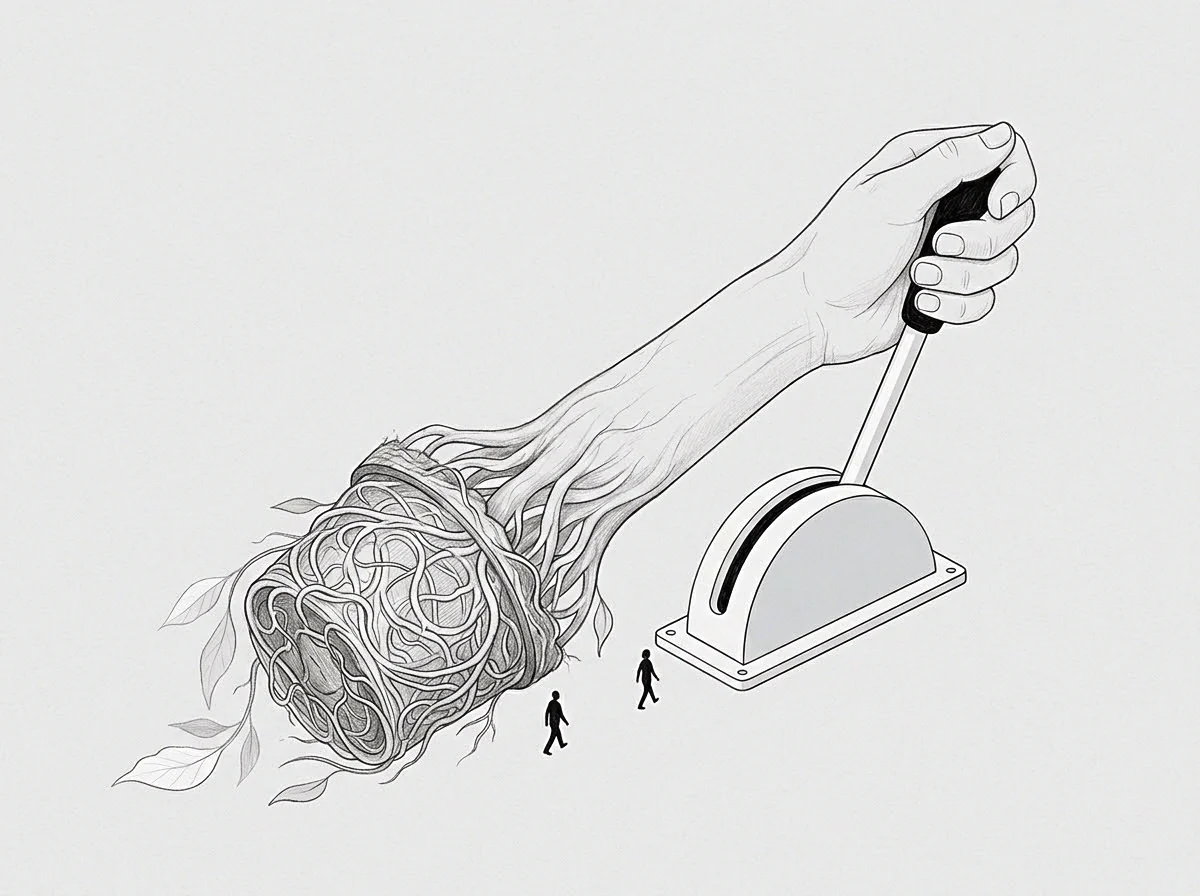
Retention of historical knowledge and cultural values within a firm provides the context necessary for future decision making. An organizational memory includes the recorded data and the unwritten stories that define how a company operates. This collective knowledge ensures that the lessons learned during the founding phase are not lost after a leadership transition.
Knowledge Retention
Storing information in accessible databases and documents prevents the loss of critical expertise. When organizational memory is strong, a new leader can quickly understand the history of the product and the market. This understanding saves the capacity of the team and reduces the hours spent on redundant research.
The mechanism involves the creation of a centralized repository for all strategic plans and the documentation of key decisions. It ensures that the rationale behind past actions is available to those who will lead the company in the future.
Cultural Persistence
Shared stories and rituals help to maintain the identity of the company over time. Because organizational memory is held by long term employees, it acts as a stabilizing force during periods of change. The cost of a weak memory is measured in the erosion of the company culture and the loss of the competitive advantage.
Documentation Gap
Systematic efforts to capture the knowledge of departing leaders are necessary to keep the record complete. Once a process for capturing organizational memory is in place, the friction of transitions decreases. This continuity is essential for the long term health and innovation of the entity.