Meaning
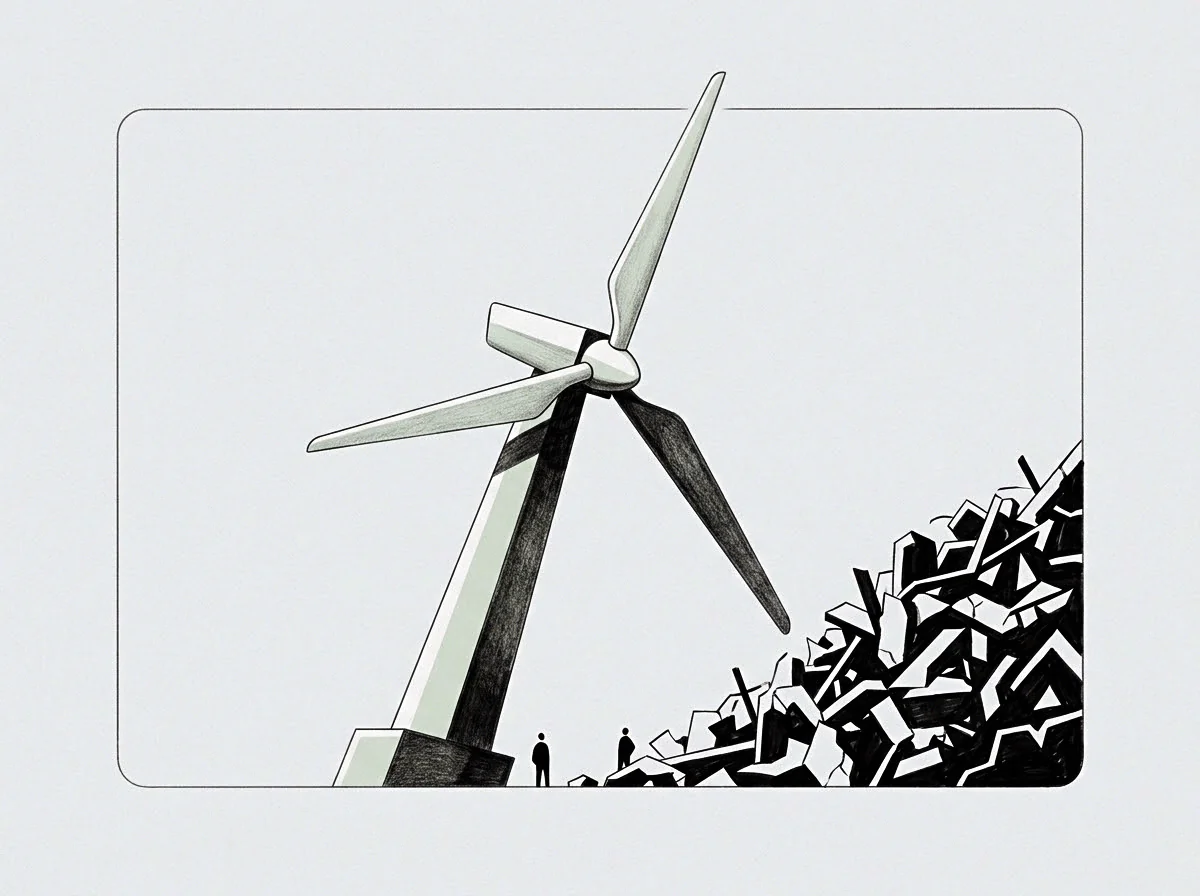
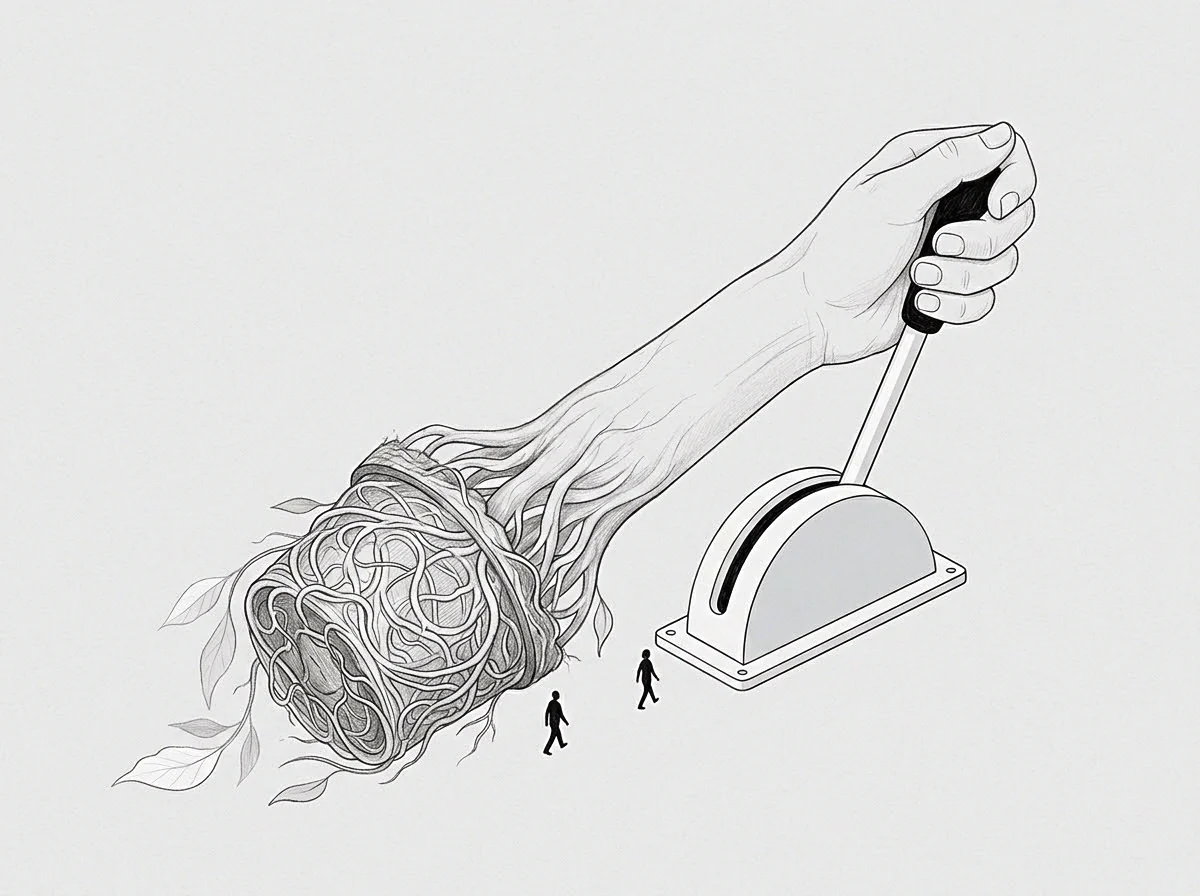
Shadow operating constitutes the performance of executive duties by a founder who has officially vacated a management position. This practice involves maintaining influence over business processes and decision paths after the formal transfer of authority has occurred. Such activity prevents the new appointee from exercising full autonomy because the previous incumbent retains access to information flows and key staff relationships.
Organizational clarity decreases when employees remain uncertain whether they report to the official manager or to the person operating from the periphery.
Operational Friction
Hidden involvement creates structural confusion regarding accountability within the corporate hierarchy. Teams struggle to align with new directives while legacy habits dictated by the predecessor persist through unofficial channels. This pattern consumes significant mental energy for the successor, who must reconcile public mandates with private counter-orders.
Decision speed drops as subordinates verify directions with both the acting leader and the former founder to ensure alignment with perceived expectations.
Resource Drainage
Financial efficiency suffers when redundant management loops occupy the time of high-value personnel. Productive capacity dissipates as managers spend hours managing the feedback of an absent authority rather than executing the current business plan. Founders who engage in this behaviour expend their own remaining hours on issues that no longer fall under their purview, distracting them from new ventures or personal objectives.
The ongoing investment of time into previous roles creates an opportunity cost that limits the potential growth of both the founder and the company.
Governance Risk
Formal oversight mechanisms fail to monitor activities that occur outside the documented management chain. Potential liability exists when unofficial interventions override established protocols or legal requirements without official review. Boards lose the ability to track performance accurately because the power dynamics do not align with the organizational chart.
Unregulated executive interference represents a structural weakness that undermines the long-term stability of the management succession.