Meaning
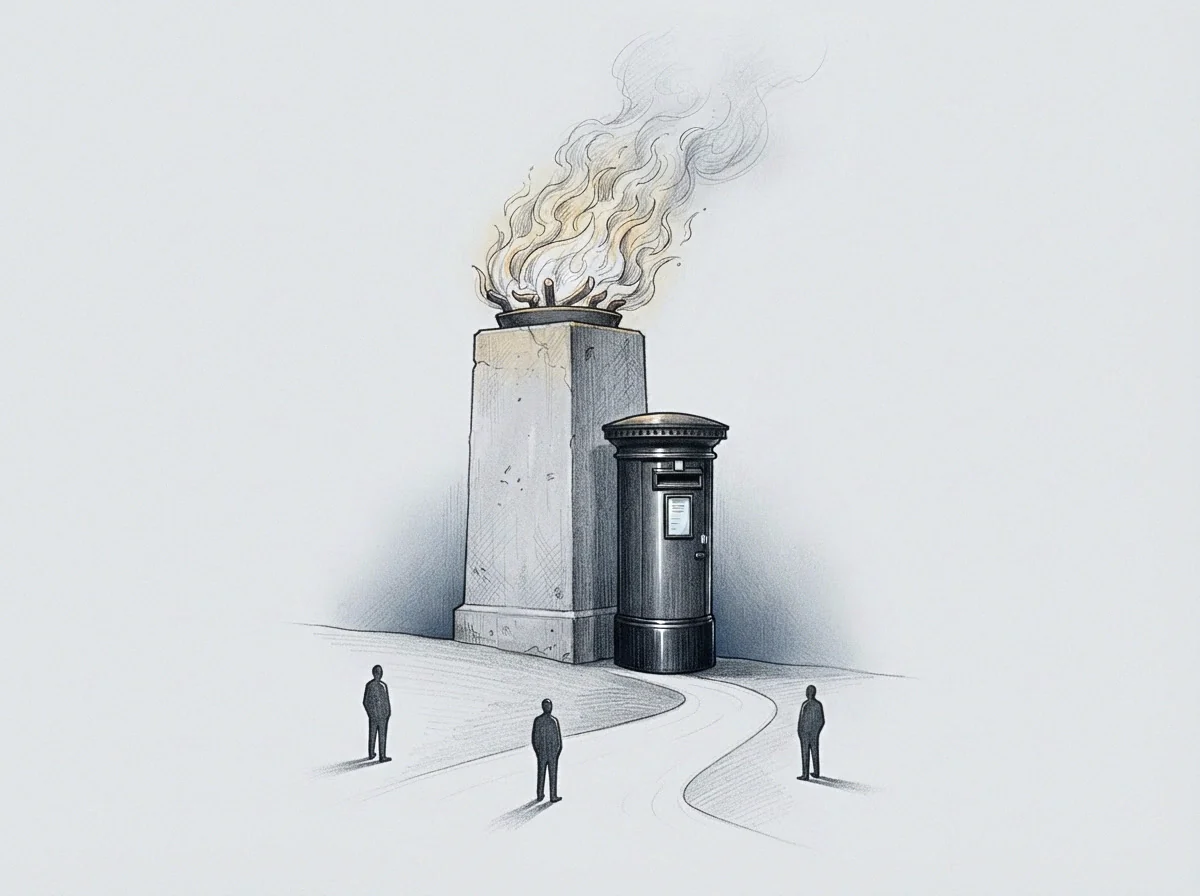
An administrative failure where both the founder and the new chief executive simultaneously issue directions to staff destroys the unity of command. This situation of parallel command arises when a founder cannot fully step away from daily management and continues to act as an informal boss. It splits the reporting lines of the company and leaves employees unsure about which executive holds ultimate authority.
The boundary of this conflict is defined by the official policy that strips non-executive founders of operational powers.
Authority Conflict
Board members must act when informal power structures begin to challenge the official chain of command. If parallel command is left unchecked, it creates a division within the executive team. This split confuses the company’s direction.
It weakens the position of the new chief executive.
Staff Disruption
Employees suffer from confusion when they are caught between the instructions of a founder and those of a new CEO. Under the weight of parallel command, staff productivity drops because workers must navigate the conflicting demands of two leaders. This stress increases employee turnover and reduces morale.
Resolution Protocol
Establishing a formal boundary agreement and restricting founder access to staff is the most direct solution to this command crisis. When parallel command is eliminated, the company restores a single chain of command. This clarity allows the business to execute its strategy without internal conflict.