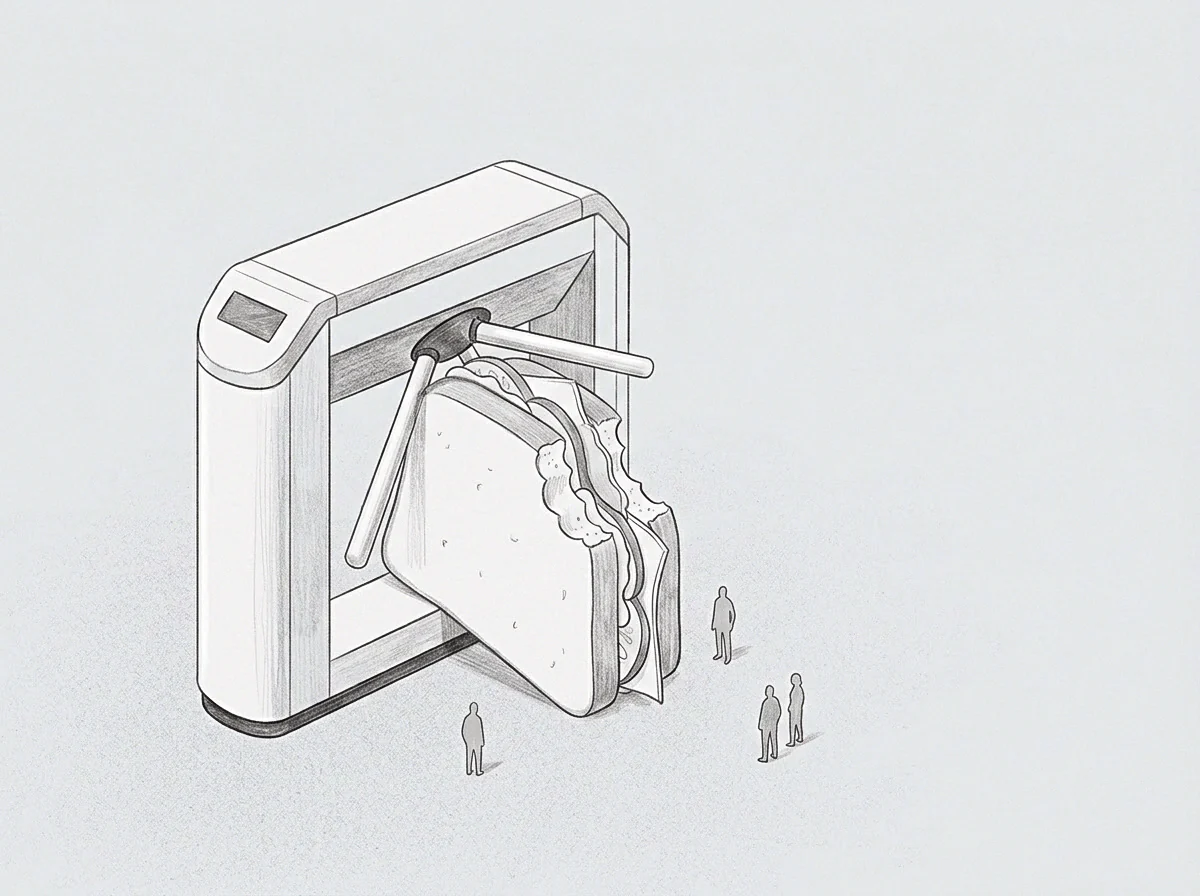
Meaning
Financial adjustments requested by buyers after the transfer of ownership concludes. Post-exit claims represent contingent liabilities that redirect a former founder’s attention toward historical accounts rather than future ventures. Indemnity holds back a portion of the purchase price to cover these disputes, reducing the liquidity available at the moment of departure.
Operating executives face financial demands that persist long after their executive authority ends.
Contingent Liability
Escrow accounts hold funds specifically to satisfy these disputed financial demands without requiring personal capital from the departed owner. Founders calculate the probability of a clawback against the time spent defending historical balance sheets. Legal counsel absorbs hourly fees that consume mental energy while the founder works in a different capacity elsewhere.
Resolution requires documentation from past operational periods that may no longer be accessible.
Capital Retention
Buyers withhold cash consideration behind specific contractual thresholds to protect against unexpected tax or operational liabilities discovered after signing. Financial reserves sit untouched for months, locking up wealth that the founder planned to invest in subsequent projects. Retained funds diminish gradually as indemnification periods expire and no new financial challenges arise.
Liquidity constraints force former owners to defer new business initiatives until the final reconciliation closes.
Indemnification Burden
Personal liability extends beyond the initial sale price when indemnification clauses exceed standard escrow limits. Founders dedicate cognitive capacity to gathering records from previous years instead of building new enterprises. Prolonged disputes drain the attention required for subsequent professional engagements.
Financial exposure diminishes as contractual limitation periods draw to a close.