Meaning
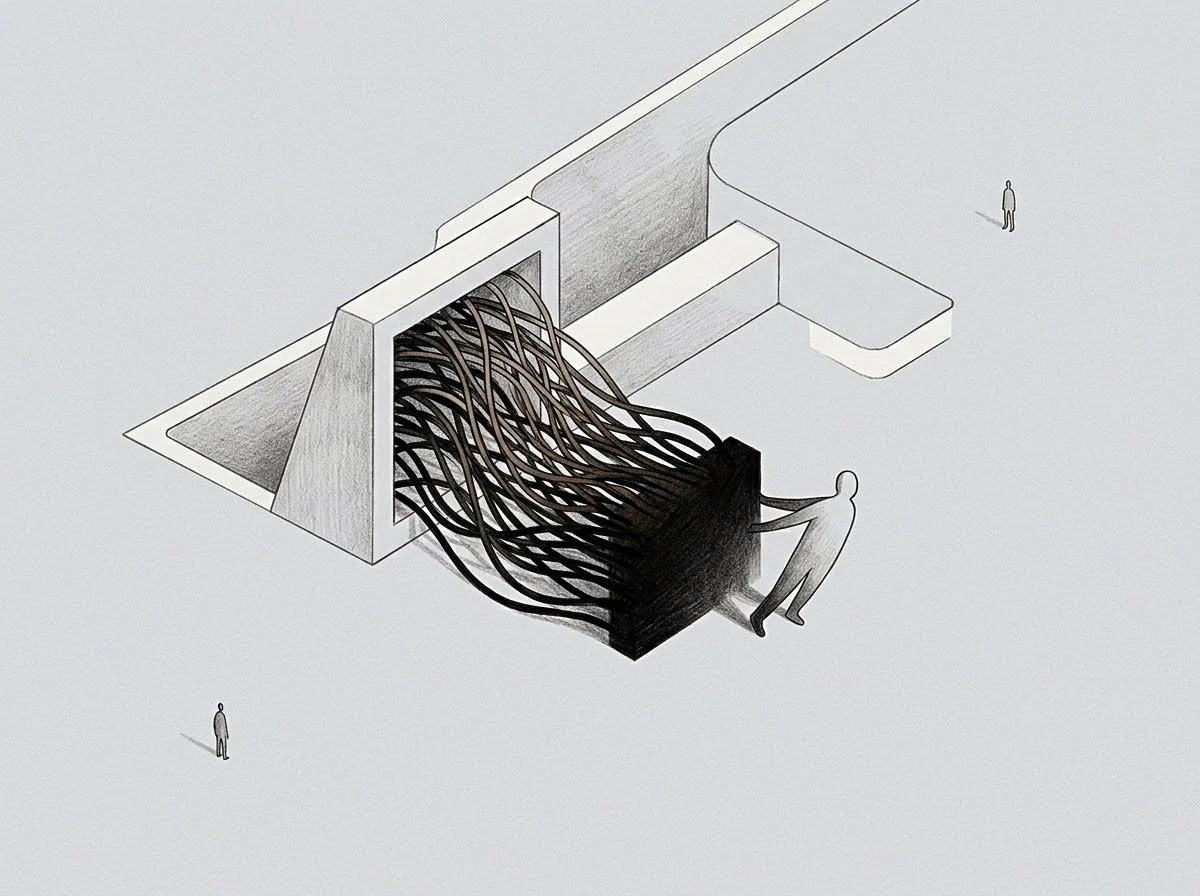
Institutional drag represents the operational friction experienced by a founder when maintaining formal reporting or governance duties after the transfer of executive authority. This post-transfer drag consumes significant attention and administrative hours as the individual navigates residual obligations to the board or incoming management. The phenomenon occurs when the formal decoupling of power lags behind the legal or contractual shift in ownership.
Governance Residue
Former executives often retain signing authority or board seats that require periodic sign-offs on standard documents. This overlap forces the individual to stay engaged with historical data despite losing day-to-day oversight of current operations. Such engagement prevents the clean separation of duties and complicates the accountability loop between the new leadership and the predecessor.
Administrative Decay
Residual tasks frequently involve closing legacy tax filings or explaining historical decisions during periodic audits. These activities demand a portion of the capacity otherwise available for new professional objectives. A failure to terminate these links early results in a persistent drain on the time of the departed founder.
Authority Dissipation
Residual influence decreases as the new management establishes its own processes and decision frameworks. This decline in relevance creates an imbalance where the founder remains responsible for legacy outcomes while lacking the tools to influence current results. Effective management of this transition minimizes the overlap of these conflicting roles.