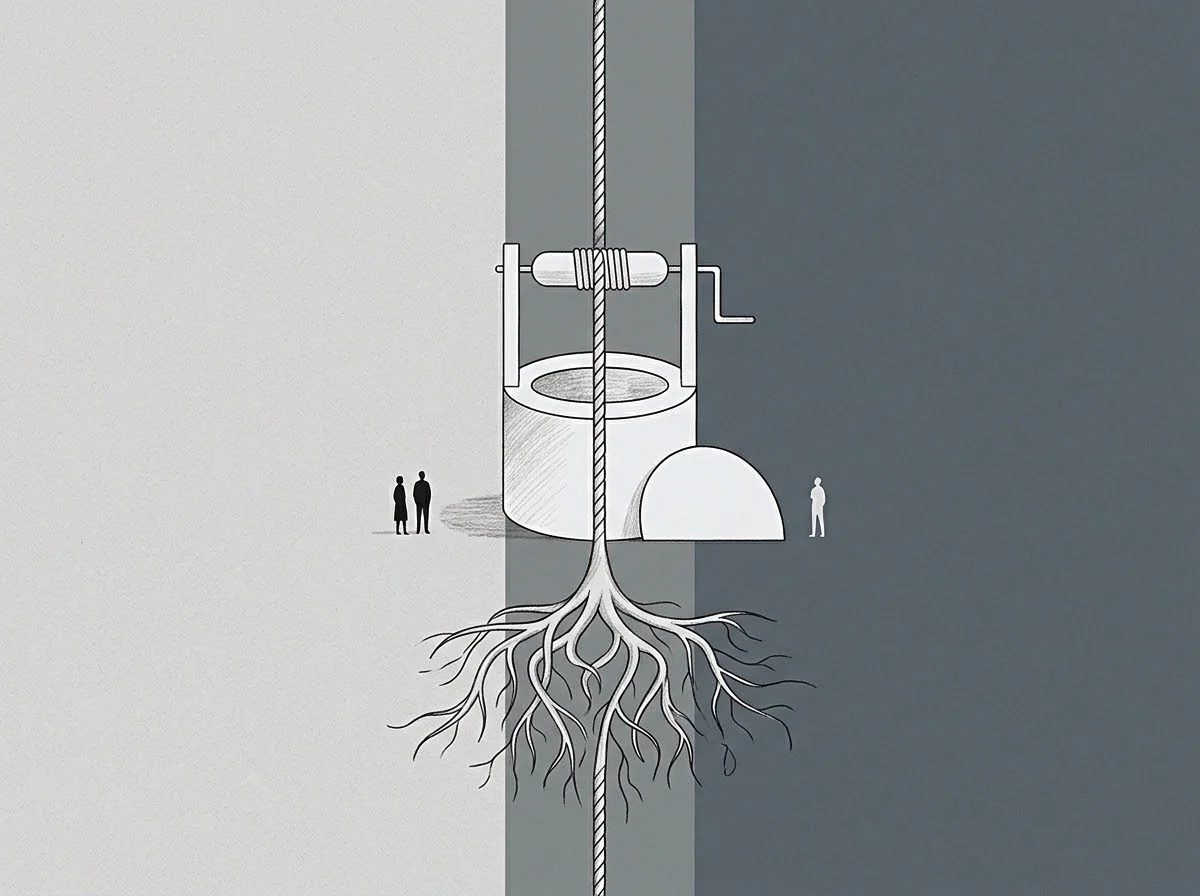
Meaning
Administrative termination of high level environment credentials removes the ability of an outgoing founder to modify live system configurations or access sensitive customer data. Production access revocation acts as the final step in the institutional separation of an individual from the core infrastructure they previously held under their operational authority. This procedure mitigates security vulnerabilities by ensuring that departed personnel cannot influence the ongoing performance or stability of the stack.
Operational Security
Disabling active keys and session tokens prevents unauthorized modifications that occur long after a founder relinquishes their official position. Automated identity management systems perform this task to guarantee that the decommissioned account loses all administrative privileges across the entire cloud environment. Verification through log audits proves that the individual no longer exercises control over the database layers or the application runtime.
Capacity Cost
Removal of these permissions forces the organization to transfer technical maintenance responsibilities to a designated successor or engineering lead. The transition consumes significant hours for existing staff members who must audit the legacy permissions previously assigned to the founder. Each hour spent on this audit reduces the capacity available for product development or bug fixes within the current sprint.
Privilege Decay
Persistent access rights represent an operational liability because aging credentials lack the modern authentication protocols required for current system integrity. Revoking these legacy paths forces the adoption of uniform security standards across every department. Standardizing access through this mechanism minimizes the administrative overhead for the current team while increasing the stability of the entire infrastructure.