
Structural Separation Of Managerial Oversight And Technical Production Seats
Structural separation isolates technical execution from managerial oversight to eliminate cognitive context switching and clarify organizational decision rights.

Wall
An operator sitting at a workstation at midnight often flips between writing raw code and reviewing commercial contracts. This oscillation between tactical output and governance creates structural drag in early ventures. When one person occupies both production and oversight without clear boundaries, immediate production deadlines consume the quiet hours needed for administrative review.
Operators usually interpret this exhaustion as a personal deficit rather than a structural flaw. Role strain research confirms that combining production with executive oversight generates chronic cognitive fatigue, lowering output quality in both domains.
Running a company generates three distinct operational seats that exist regardless of who fills them: the technician delivering direct output, the manager coordinating resources, and the equity holder governing capital allocation. Conflating these positions creates unpriced labor, blurred authority, and misallocated attention. Without explicit boundaries, technical tasks crowd out management responsibilities.
Code has to be written, physical units assembled, and client tickets cleared immediately, while strategic review, process documentation, and financial planning get pushed to an indefinite future.
When an operator combines managerial oversight with technical production inside one schedule, strategic decisions default to short-term production deadlines.
The technical seat governs physical production, unit costs, and immediate output quality through short, visible feedback loops. A compiler rejects broken syntax within seconds, and a manufacturing tool indicates failure instantly. Managerial oversight relies on delayed feedback loops where decisions regarding hiring, process standards, and capital expenditure reveal their results months later.
Combining these feedback cadences in a single calendar creates a structural bias toward immediate technical tasks at the expense of administrative work.
Failing to separate technical execution from governance results in hidden operational debt, as administrative oversight gets deferred to clear immediate technical backlogs.

Hours
Time tracking across early ventures reveals that context switching consumes up to twenty percent of available daily capacity. Moving directly from deep technical execution to executive decision making leaves residual cognitive load that weakens analytical rigor, because active task schemas persist well after switching to administrative tasks. Technical execution requires long blocks of uninterrupted focus, and each disruption imposes a substantial restart penalty that extends task duration far beyond original estimates.
Managerial oversight demands fragmented availability, rapid response rates, and continuous interpersonal coordination. Forcing these opposing operational modes into a single daily schedule reduces total functional output.
Dividing a single working week among three competing positions creates structural friction. The table below delineates the structural differences across these positions, detailing how cadence, focus, and output metrics diverge across the operational spectrum.
| Seat Title | Primary Focus | Task Cadence | Primary Output | Direct Failure State |
|---|---|---|---|---|
| Technician Seat | Direct Product Output | Continuous Deep Work | Functional Deliverables | Production Bottlenecks |
| Manager Seat | Resource Coordination | Fragmented Daily Shifts | Operational Systems | Process Breakdown |
| Founder Seat | Capital Allocation | Periodic Strategic Reviews | Organizational Solvency | Strategic Drift |
Task shifting forces the human cognitive system to reload mental models with every change of seat. An operator who spends three hours writing technical specifications cannot instantly evaluate an insurance policy or negotiate an equity split with equal mental sharpness. Context switching consumes twenty percent of output.
The mental reset required between technical problem solving and managerial governance represents an unmeasured operational tax that the person in the seat often misattributes to inadequate personal capacity, attempting to work longer hours to compensate for structural inefficiency.
A seat left unpriced is a seat carried without consent.
Formalizing dedicated hours for each seat changes how the organization values internal labor. When an owner-operator allocates twenty hours to software development and twenty hours to executive management, the company can measure the true replacement cost of those functions. Unpriced labor distorts financial metrics, giving a false impression of operational efficiency.
If the business cannot afford to hire a dedicated technician at market rates, the business model relies on implicit labor subsidies from the owner.
As long as production deadlines determine governance schedules, managerial oversight remains an unmeasured emergency rather than a deliberate discipline.
Desk
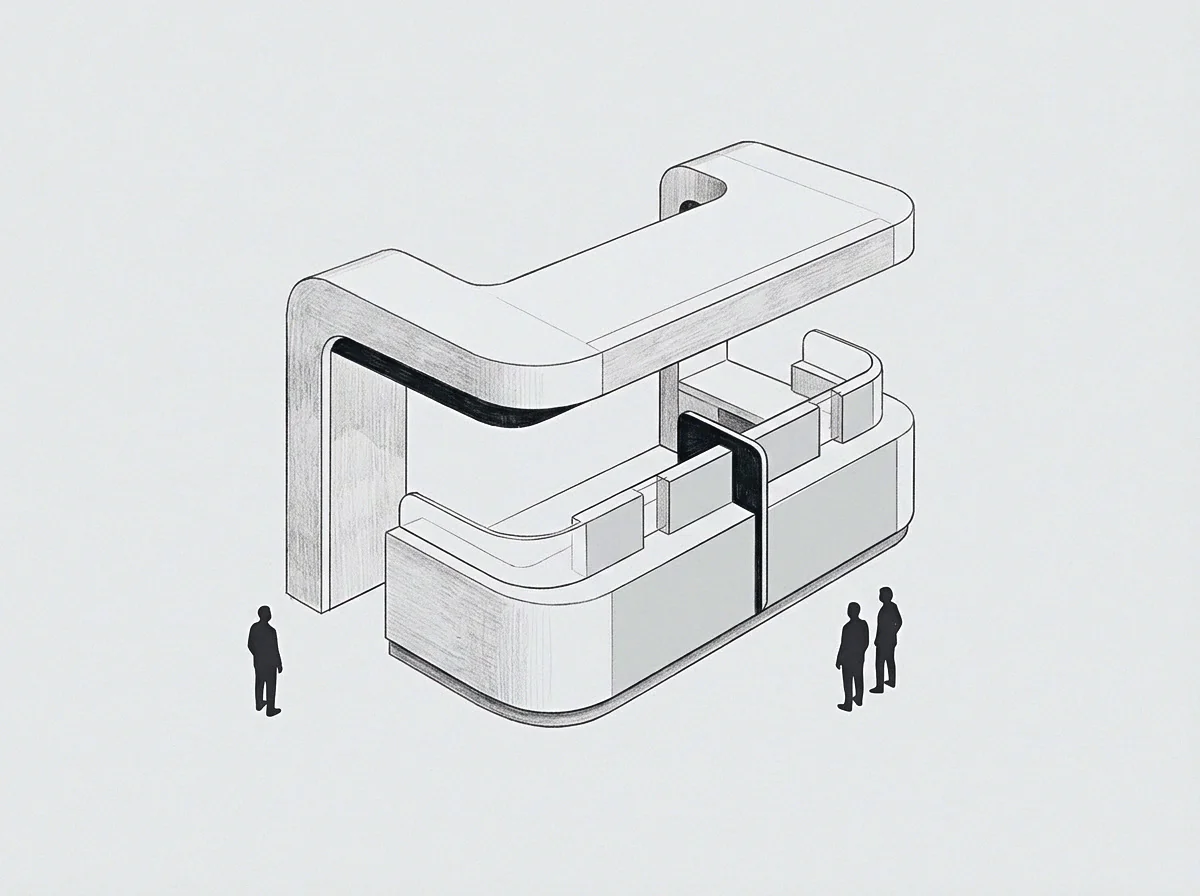
Physical workstations often mask the boundary between producing output and directing people. Sitting at the same desk to answer customer bug reports and to execute board governance creates visual and operational ambiguity. When technical production remains uncodified and tacit knowledge is not transferred, the person performing the work becomes an essential single point of failure.
The organization remains dependent on personal presence rather than documented process. Transitioning work out of the technical seat requires converting implicit execution routines into explicit operational standards.
Where Does Tacit Execution Resist Managerial Codification?
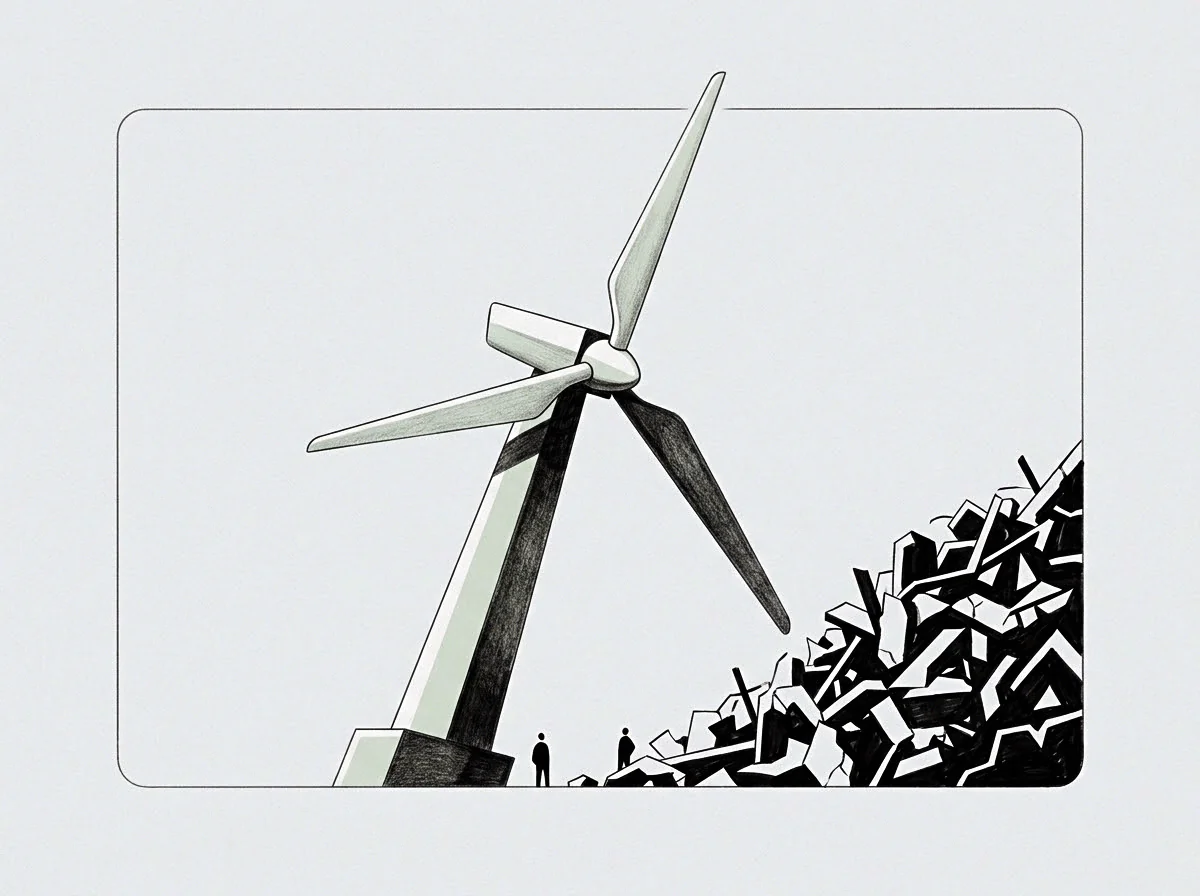
Individual contributors build intuitive routines that resist documentation. An experienced builder senses machine failure through subtle audio cues or identifies code bugs through pattern recognition refined over years of practice. When that builder also holds managerial oversight, they frequently execute technical fixes directly rather than training secondary personnel.
This habit creates a cycle where the team relies on the operator’s intervention, preventing the establishment of formal operating procedures.
- Tacit Knowledge Concealment occurs when complex operational steps remain unwritten, forcing all technical exceptions back to the owner-operator.
- Unstated Scope Expansion arises when production tasks absorb administrative calendar blocks without explicit management authorization.
- Intermittent Governance develops when strategic oversight occurs only during operational crises rather than on a predictable schedule.
Converting personal capability into organizational procedures demands explicit documentation of operational criteria. Role strain decreases when position responsibilities are clearly bounded and measured. When managerial oversight is separated from technical production, the manager can objectively evaluate the technician’s output without personal bias, whereas dual positions obscure actual labor expenses.
Stating the operational terms of a technical production seat converts personal exhaustion into explicit hiring criteria.
Documenting production workflows allows the company to establish realistic hiring profiles for future replacements. The owner-operator frequently expects a replacement technician to possess managerial capabilities, executive foresight, and technical execution skills simultaneously. This expectation is rarely realistic in the labor market.
Separating the seats on paper clarifies that the company requires a specialized technician, managed by an explicit system, rather than an identical owner-operator duplicate.
The engineering team expects explicit technical requirements from management, while management expects self-directed architecture decisions from technical staff.
Gate
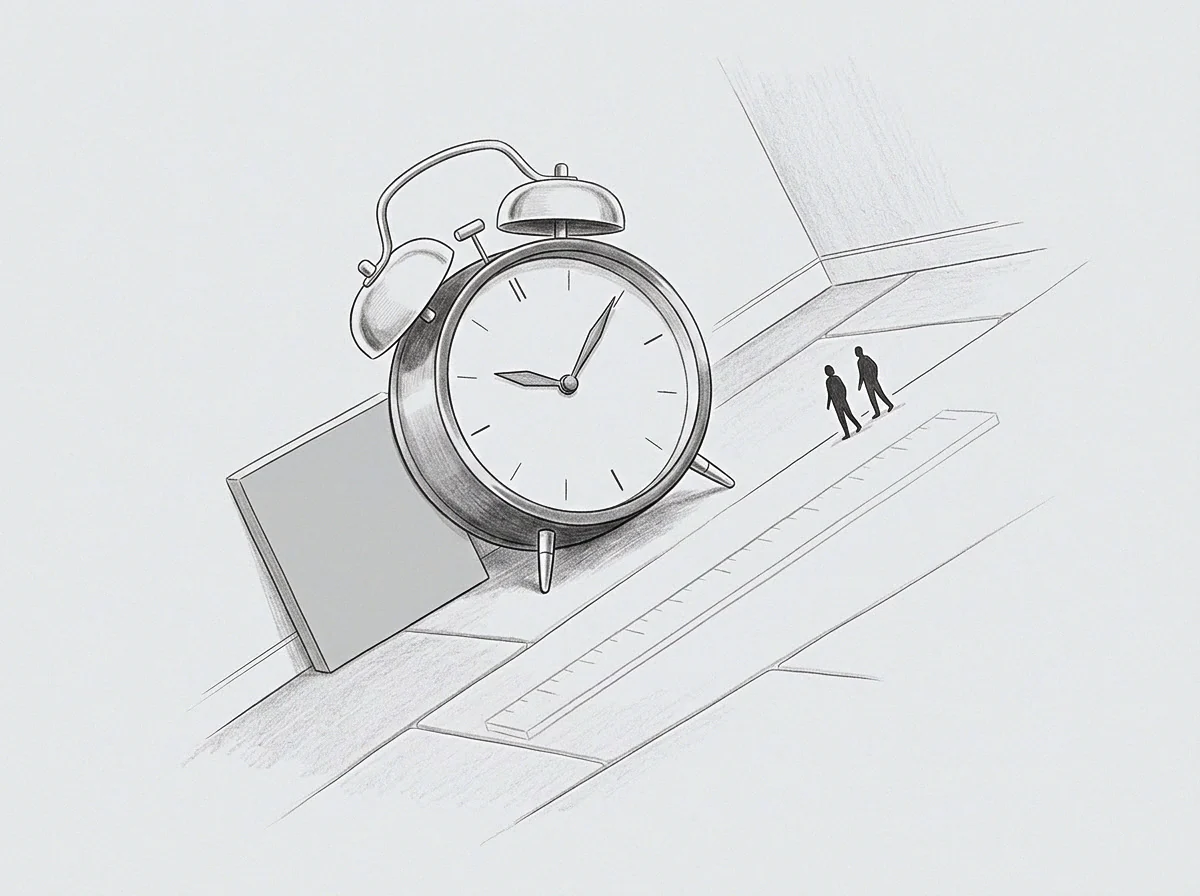
Structural governance requires distinct decision thresholds for technical execution and capital allocation. When authority is undefined, operational friction follows: a technical lead can alter product architecture without assessing capital implications, or executive management can intervene in implementation details without deep domain knowledge. Establishing explicit decision gates prevents cross-role interference and protects operational focus.
Governance Filters And Decision Rights
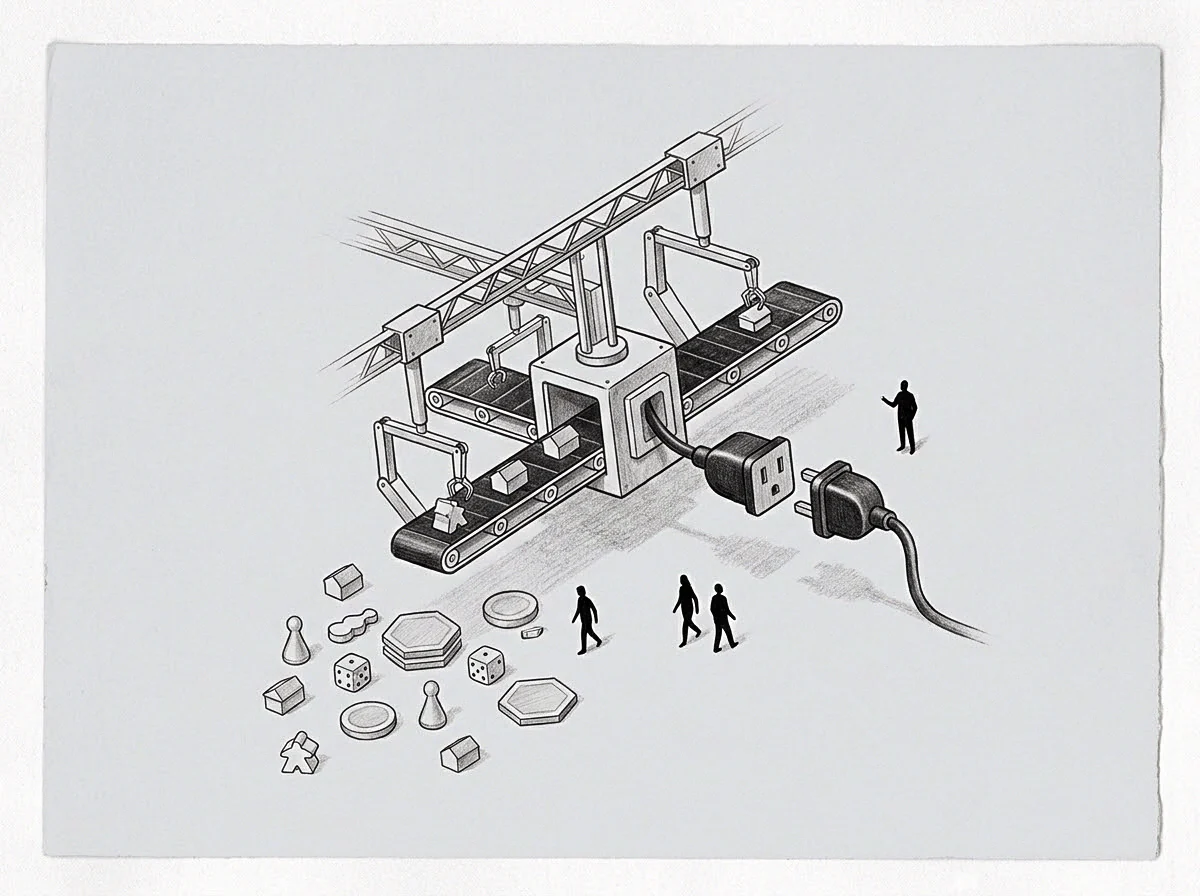
Authority allocation defines which seat holds veto power over specific operational actions. A technician holds authority over immediate implementation mechanics within established parameters. A manager holds authority over schedule adjustments, resource distribution, and cross-functional coordination.
An equity owner holds authority over budget approvals, major asset purchases, and strategic directional shifts. Conflating these authority tiers leads to paralyzed decision making or reckless expenditure.
- Establishing separate calendar blocks for technical production and administrative oversight eliminates mid-day task collisions.
- Defining explicit financial approval thresholds prevents technical leads from making unauthorized capital commitments.
- Appointing an external board advisor creates an external reporting cadence that enforces managerial accountability.
Written operational agreements delineate the precise responsibilities of an owner who also acts as chief engineer, relying on formal governance protocols rather than personal trust. Holding equity grants financial rights, but operational authority stems strictly from the specific seat occupied during a given transaction. A minority investor filling a production seat must follow managerial direction within that operational domain.
An unwritten boundary between oversight and execution eventually breaks under the pressure of financial stress.
Clear governance rules protect the company during scale transitions. When the founder eventually hires a head of engineering, the transition breaks down if the founder routinely bypasses the manager to give technical orders directly to staff. This intervention undermines managerial authority and creates conflicting priorities for the engineering team.
Establishing formal decision gates early ensures that executive authority respects organizational hierarchy.
Inserting an explicit role-separation clause into shareholder agreements forces annual reviews of executive time allocation and triggers formal recruitment when operational overlap exceeds established thresholds.

Exit
Transitioning out of active production marks the structural maturity of an owner-managed firm. Vacating the production seat requires willingness to hand over execution autonomy to hired staff. Many operators delay this transition because personal identity is tied directly to technical craft.
The production seat offers immediate tangible satisfaction, whereas managerial oversight offers abstract, long-term outcomes. Recognizing this psychological anchor enables an operator to deliberately step back from daily assembly or coding.

Vacating The Technical Production Seat
Replacing an owner-operator at the production desk demands systematic transfer of implicit procedural knowledge alongside decision-making frameworks. The new technician requires clear operating parameters, acceptable error margins, and defined escalation pathways. Without formal codification, unwritten governance rules degrade over time as managerial seats regulate capital and personnel.

Sustaining Managerial Oversight Post Handover
Maintaining governance after stepping down from daily manufacturing requires objective performance metrics. The founder must refrain from unannounced technical interventions, relying instead on scheduled reporting reviews, financial audits, and strategic goal setting. Role strain resolves when the owner operates purely from the managerial or governance seats, allowing the technical team complete ownership of daily production tasks.
The transition completes when company performance remains stable during extended operator absence. Systems hold operational integrity when technical knowledge is fully embedded in organizational processes rather than individual memory. The former technician now acts exclusively as manager or board member, evaluating output quality through established key indicators.
Capital allocation proceeds based on objective performance data rather than emotional attachment to specific technical solutions. Production continues seamlessly as the organization operates through structured roles rather than heroic individual effort.