Meaning
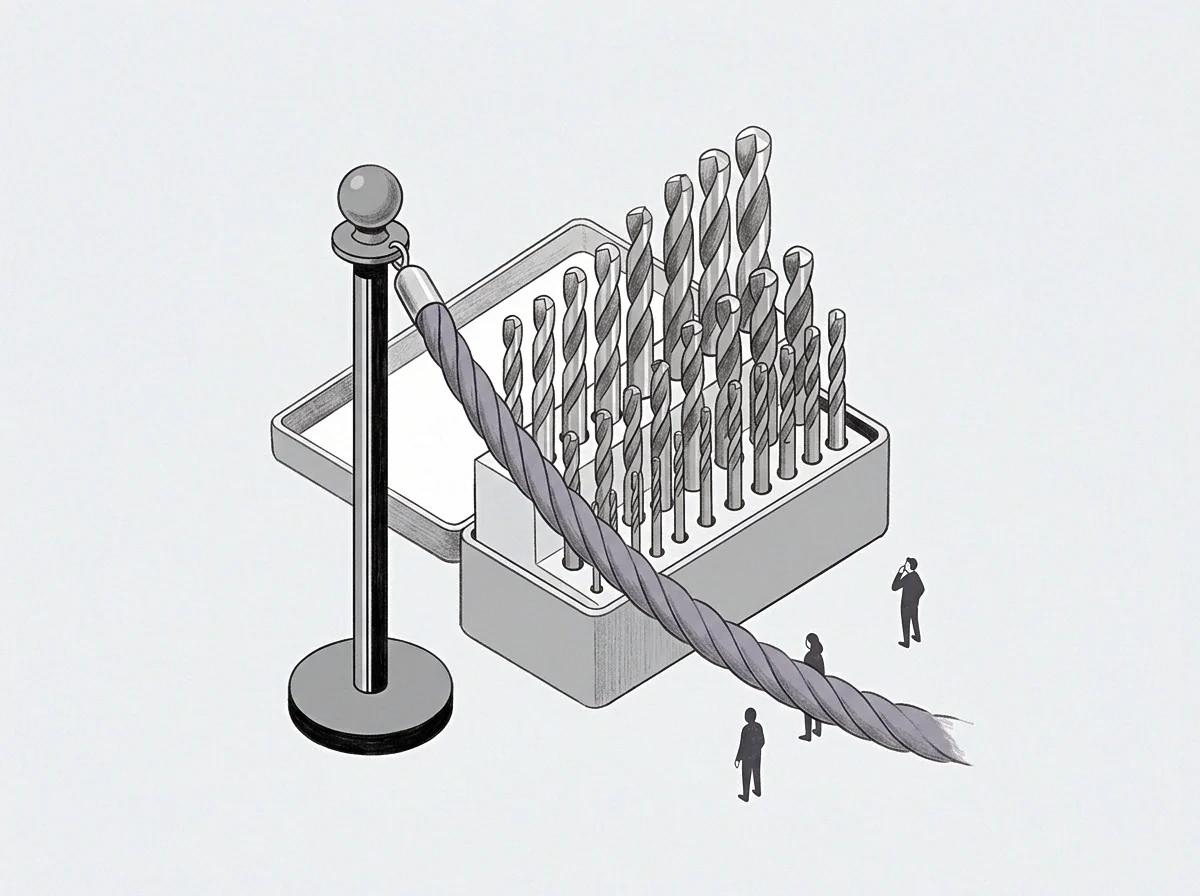
A point of congestion in a business process limits the overall output and determines the maximum capacity of the entire operation. This specific constraint is known as a production bottleneck and dictates the pace at which the company can deliver its goods or services to the market. It requires focused attention from management to prevent severe delays in customer fulfillment.
Process Constraint
The slowest step in a sequence holds back the performance of all other stages, regardless of how quickly they can operate. If the final quality control check takes twice as long as the assembly process, inventory accumulates before the inspection station while workers downstream remain idle. This imbalance increases work-in-progress inventory and raises the operational costs of the facility.
Managers must identify this limiting factor to avoid wasting resources on optimizing parts of the system that do not restrict total output.
Resource Shortage
The constraint often arises from a lack of specialized machinery, skilled labor, or critical raw materials. When the demand for these resources exceeds their availability, the entire workflow grinds to a halt. It requires targeted capital investment or hiring to resolve these specific shortages and restore the flow of goods.
Throughput Improvement
Resolving the primary constraint immediately increases the total volume of products the business can generate and sell. This improvement directly boosts revenue and reduces the lead time required to satisfy customer orders.