Meaning
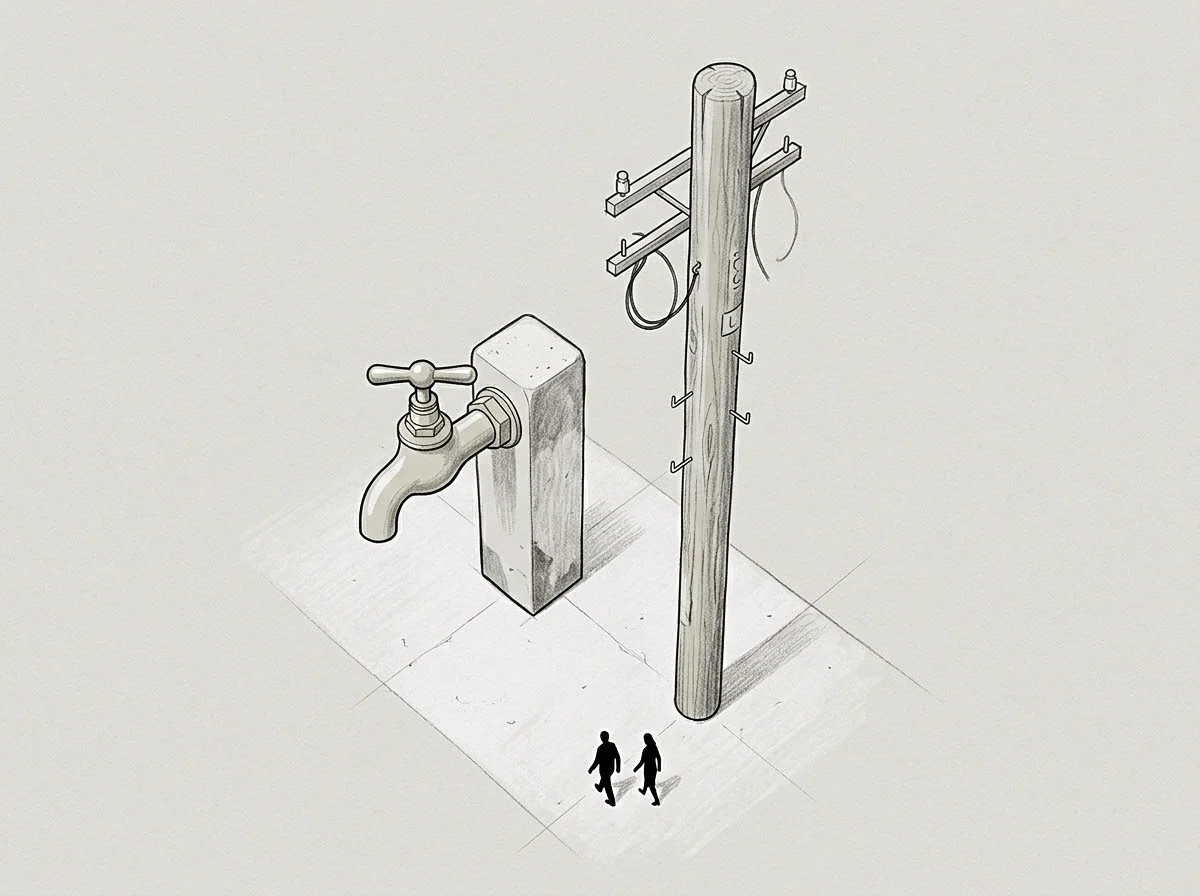
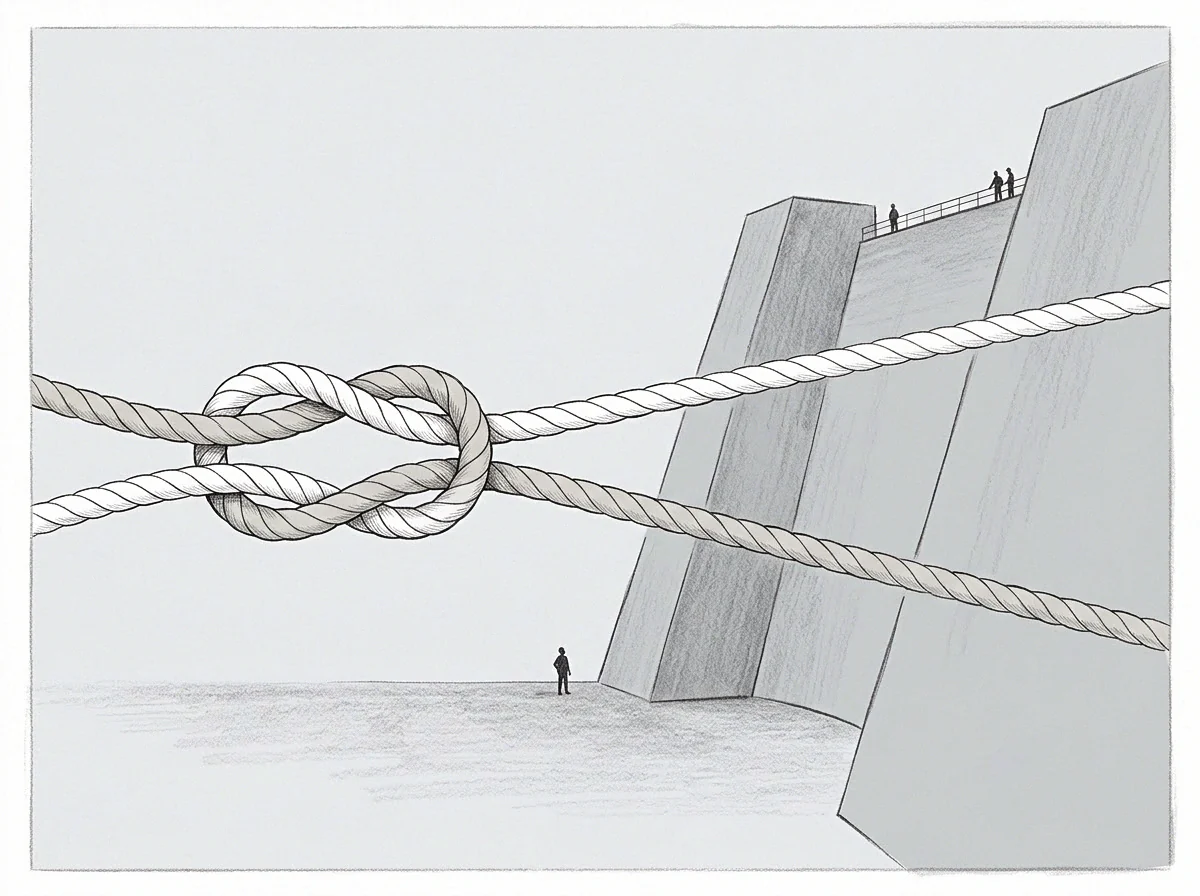
Social credit accrued from early favors and reciprocal support forms relationship equity during the active tenure of founding a company. Founders accumulate this nonfinancial currency by granting concessions to early employees and investors before compensation structures stabilize. This reserve depletes whenever a former founder calls upon past obligations to secure board appointments or advisory roles after stepping away from daily operations.
The mechanism halts entirely once the professional network transitions from informal acquaintances to institutional counterparts.
Political Depreciation
Goodwill decays rapidly after a founder vacates the primary executive seat. Former colleagues discount past generosity once organizational loyalty shifts toward the current management team. Decayed standing reduces the capacity of a departed founder to influence strategic decisions from an outside position.
Strategic Conversion
Accumulated favors transform into professional influence during subsequent board negotiations or funding rounds. Transitioning from operational control to advisory oversight requires spending accrued goodwill to secure favorable governance terms. Depleted reserves leave the individual without the social leverage necessary to protect minority stakes or voting rights.
Network Attrition
Maintaining influence requires continuous reciprocal exchanges that consume personal hours and attention. Former operators often discover that the social capital accumulated during early startup phases fails to replenish automatically. Exhausted reserves eventually isolate the individual from future entrepreneurial ventures and investment syndicates.