Meaning
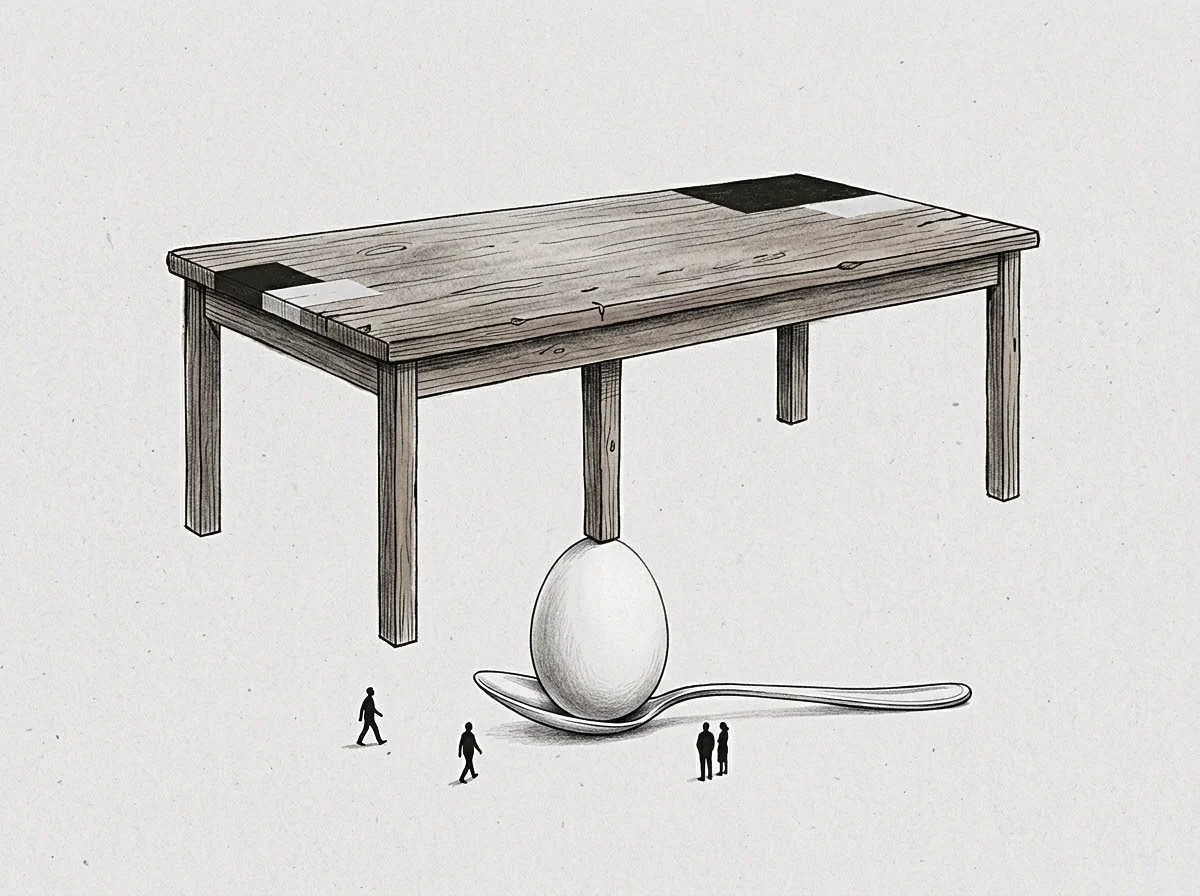
Seat degradation names the progressive loss of authority and operational efficacy experienced by a founder who remains in an executive position long past the structural requirement for their presence. This decay manifests in the erosion of decision-making autonomy and the accumulation of organizational friction, measured through the rising volume of escalations that reach the desk of the original architect. The boundary where the concept stops applying is found in professionalized enterprises possessing fully independent governance structures that neutralize founder interference.
Executive Atrophy
Authority erodes quietly as the operating company outgrows the intuitive patterns that launched it. Protocols multiply around the executive suite, turning simple directives into formalized procedures that bypass the founding leader entirely. Daily attention shifts from strategic direction to dispute resolution, draining the founder of the hours required for genuine enterprise design.
Delegation Deficit
Relinquishing control of core functions proves difficult for a person whose identity remains fused with the organizational asset. Operating habits forged during the early survival phase prevent the delegation of complex workflows, leaving the executive trapped in tactical execution. Capacity shrinks under this self-imposed burden, reducing the energy available for external stakeholder management and capital allocation.
Succession Friction
Boardroom resistance hardens when an entrenched leader resists the transition to a professionalized management team. Institutional health declines as talented operators depart from an environment where final authority remains contested by the creator. Organizational architecture fractures permanently unless the founder yields both title and operational control to an incoming executive.