Meaning
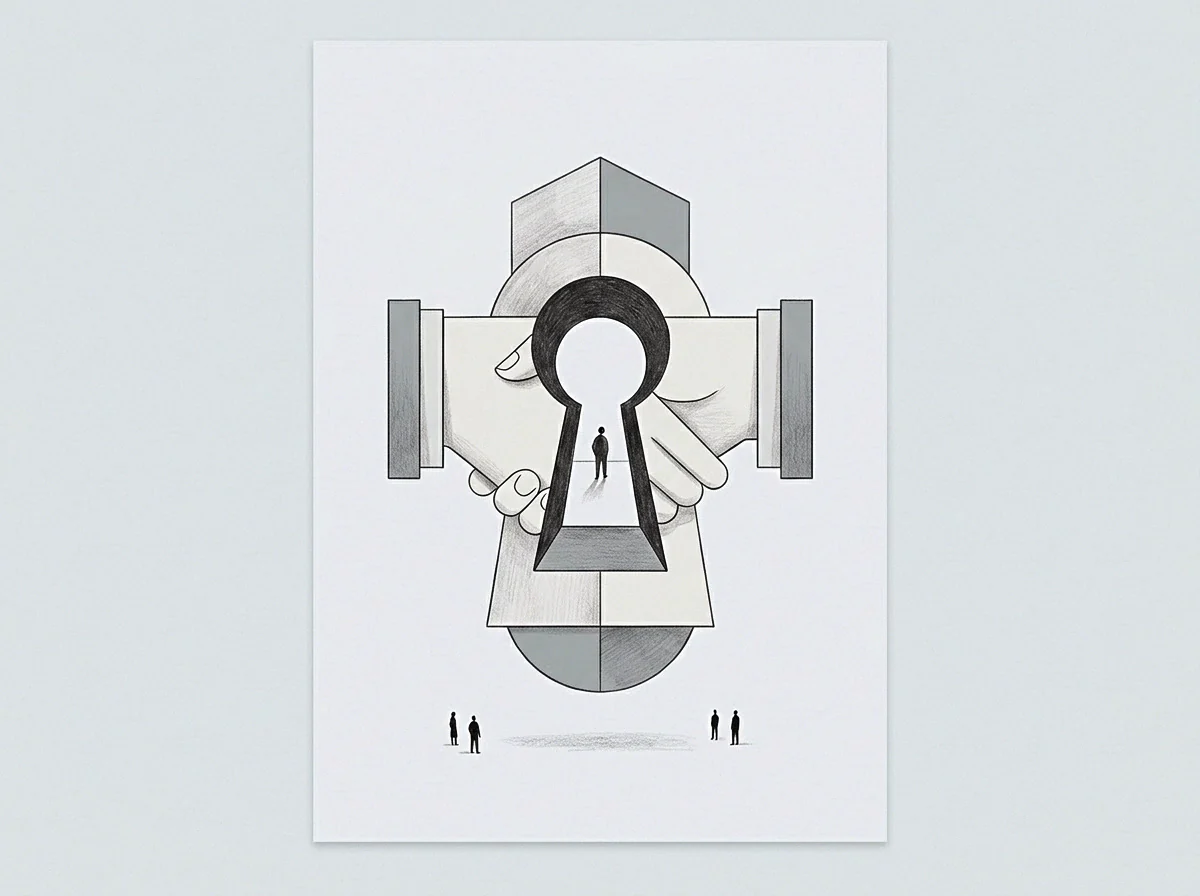
Organizational design protocols maintain discrete environments for governance, ownership, and management activities to prevent role conflict. The implementation of seat separation ensures that an individual recognizes which authority they are exercising at any given moment. It is the primary defense against the blurring of duties that occurs in founder-led businesses.
Structural Boundary
Formal structures define the physical and temporal space where different duties are performed. Seat separation might involve holding board meetings in a different location or on a specific day of the month to signal a change in perspective. This distance helps the founder transition from a technician who does the work to an owner who evaluates the performance of the company.
The hours spent in each mode are tracked and limited.
Functional Autonomy
Every role in a company requires a certain amount of freedom to operate without interference. When seat separation is effective, the chief executive has the space to manage without the founder-owner intervening in daily tasks. This arrangement protects the professional capacity of the hired leadership.
It allows for a clear assessment of who is responsible for which results.
Accountability Buffer
Clear lines of authority create a space where performance can be measured objectively. Seat separation allows the board to critique the management team without it feeling like a personal attack on the owner. This creates a more professional environment for all stakeholders.