Meaning
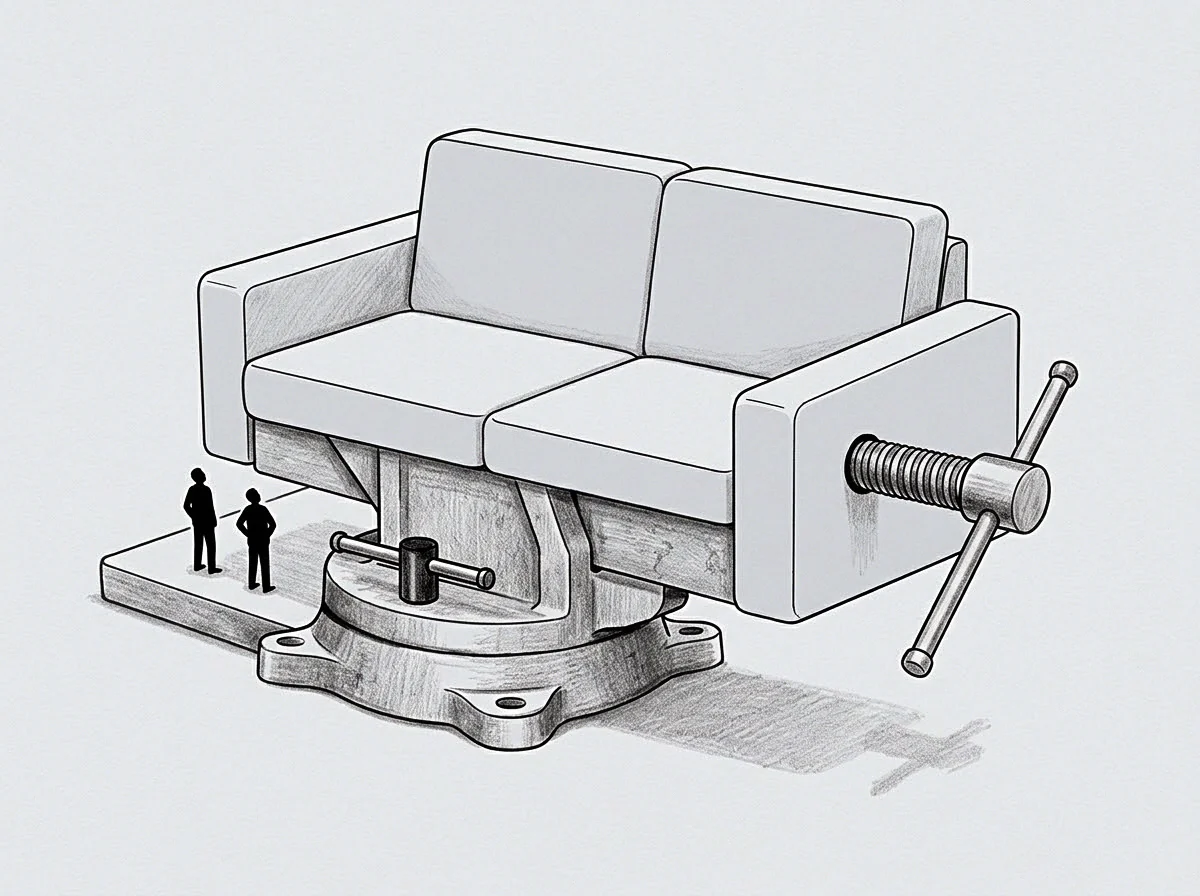
Enforcement proceedings initiated by a first-priority lender to recover funds from a borrower involve the seizure of collateral or the appointment of receivers. The process of senior creditor enforcement represents the ultimate loss of control for a founder and their management team. It begins when the lender decides that a turnaround is no longer possible and moves to protect their capital.
The cost to the founder is the total destruction of their equity and the potential for personal liability under certain guarantees.
Asset Seizure
Banks or bondholders use their legal rights to take possession of the company’s property. During senior creditor enforcement, the lender may sell the entire business or its individual parts to the highest bidder. The founder has no voice in these transactions and is often barred from the premises.
Creditors may also initiate a foreclosure on real estate or a sweep of all remaining bank accounts.
Receiver Role
Courts or lenders appoint a third party to manage the liquidation or sale. Under senior creditor enforcement, the founder’s energy is spent responding to legal demands and preparing for the loss of their professional identity. The process is swift and leaves little room for negotiation once the initial triggers are pulled.
Payment Priority
Secured debts are cleared first, usually leaving nothing for the people who started the company.