Meaning
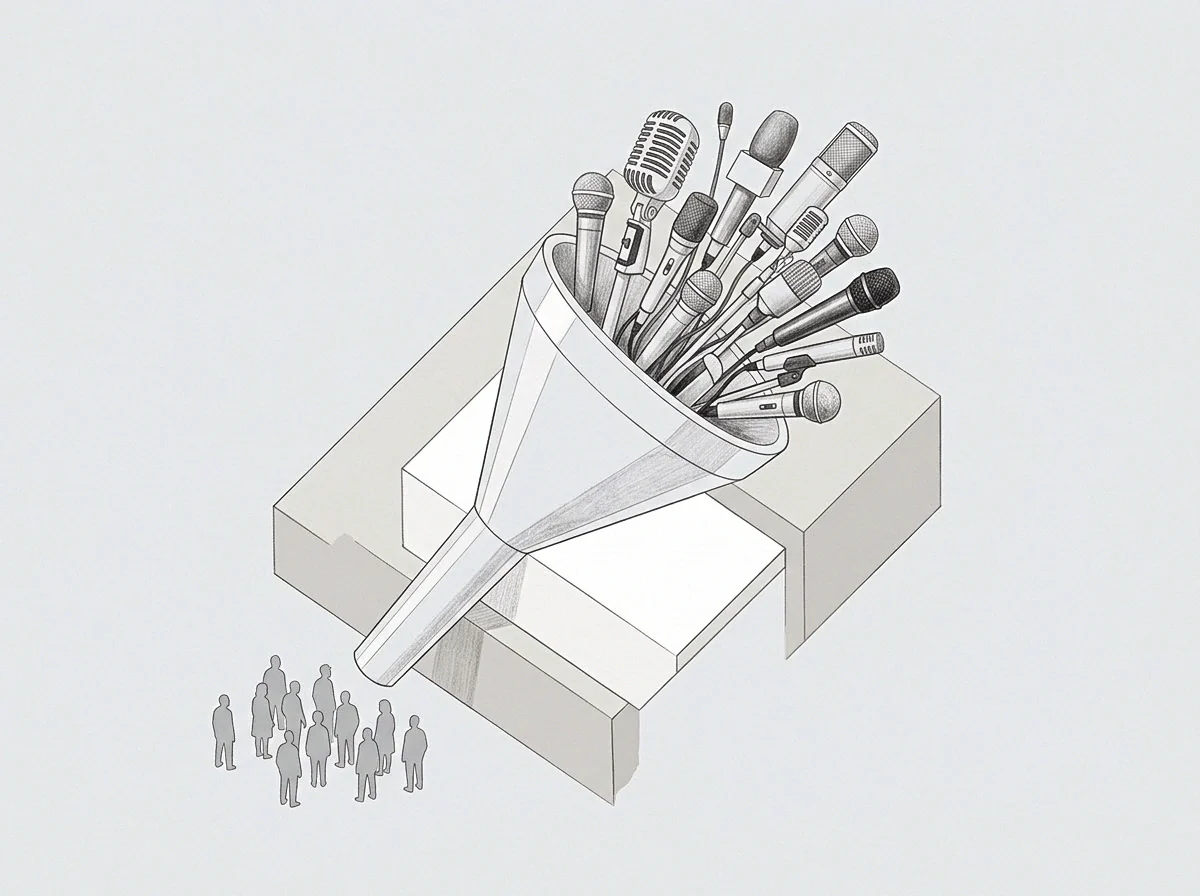
Statutory company law defines an individual whose instructions or directions are customarily obeyed by the formal board of directors as a governing officer regardless of official appointment. This legal classification, designated as a shadow director, stops applying when the formal governing board acts independently or the influential individual ceases offering operational commands. The doctrine prevents controlling founders from evading director liabilities through figurehead appointments.
Informal Governance
Founders who step down from formal board seats to appease investors often continue directing major decisions through back-channel phone calls and staff meetings. If directors routinely adopt those recommendations without independent assessment, the founder becomes a shadow director under corporate statutes. This development creates personal fiduciary obligations without the procedural protections provided by formal board insurance policies.
The individual absorbs significant legal exposure while attempting to steer operations from an unlisted position.
Evidentiary Threshold
Regulators analyze electronic records, operational directives, and meeting minutes to establish whether the governing board exercised genuine discretion. When records demonstrate that nominal directors consistently executed the founder’s instructions, courts impose full fiduciary liabilities for corporate failures. These exposures include personal liability for wrongful trading, unfair preferences, and unpaid employee taxes.
A shadow director cannot escape personal liability by asserting the absence of a board resolution.
Governance Discipline
Protecting departed founders from constructive governance liability requires the board to demonstrate independent debate and periodic rejections of founder guidance. Appointed directors must document independent analysis for every major operational transaction. Complete operational disengagement shields former leaders from being treated as a shadow director during corporate restructuring.