Meaning
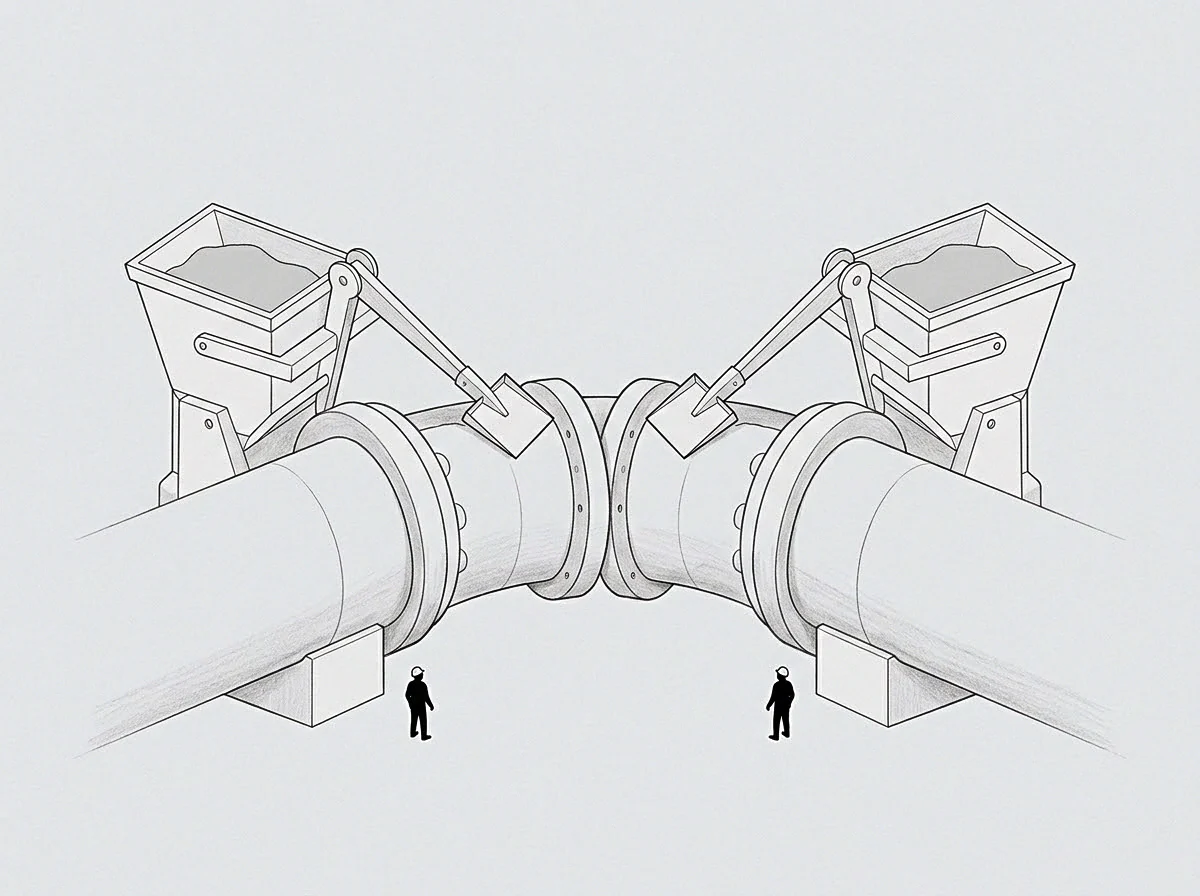
Practice where an outgoing leader continues to perform the work of their previous seat behind the scenes after a new person has officially taken the role. This often occurs when the founder lacks trust in the successor or when the successor is struggling to keep up with the demands of the company. In shadow execution, the founder does the analysis, writes the documents, or makes the decisions that the official leader then presents as their own.
It creates a false sense of security while delaying the necessary growth of the new person. The founder pays with their capacity to focus on their new role, and the successor pays with a lack of genuine experience.
Trust Deficit
A lack of confidence in the new leadership is the most common driver of this behavior. When shadow execution is present, the founder feels compelled to intervene to prevent what they perceive as a looming disaster. This intervention is hidden from the board and the rest of the staff to maintain the image of a successful transition.
Because the work is invisible, the founder receives no credit for the hours they put in to save the situation.
Organizational Risk
Hiding the true state of leadership creates a major risk for the long-term health of the company. If the successor is not actually doing the work, the organization is vulnerable to the founder’s eventual and unavoidable exit. Shadow execution masks the successor’s weaknesses and prevents the board from seeing where additional support or a replacement is needed.
This deception can lead to a sudden collapse in performance when the founder finally stops providing the hidden support.
Exit Strategy
Breaking the cycle requires either the successor stepping up to do the work or the founder stepping away to allow for a public failure. Shadow execution must be replaced by honest mentorship or a formal change in leadership. The transition is only real when the official leader is the one actually performing the labor.