Meaning
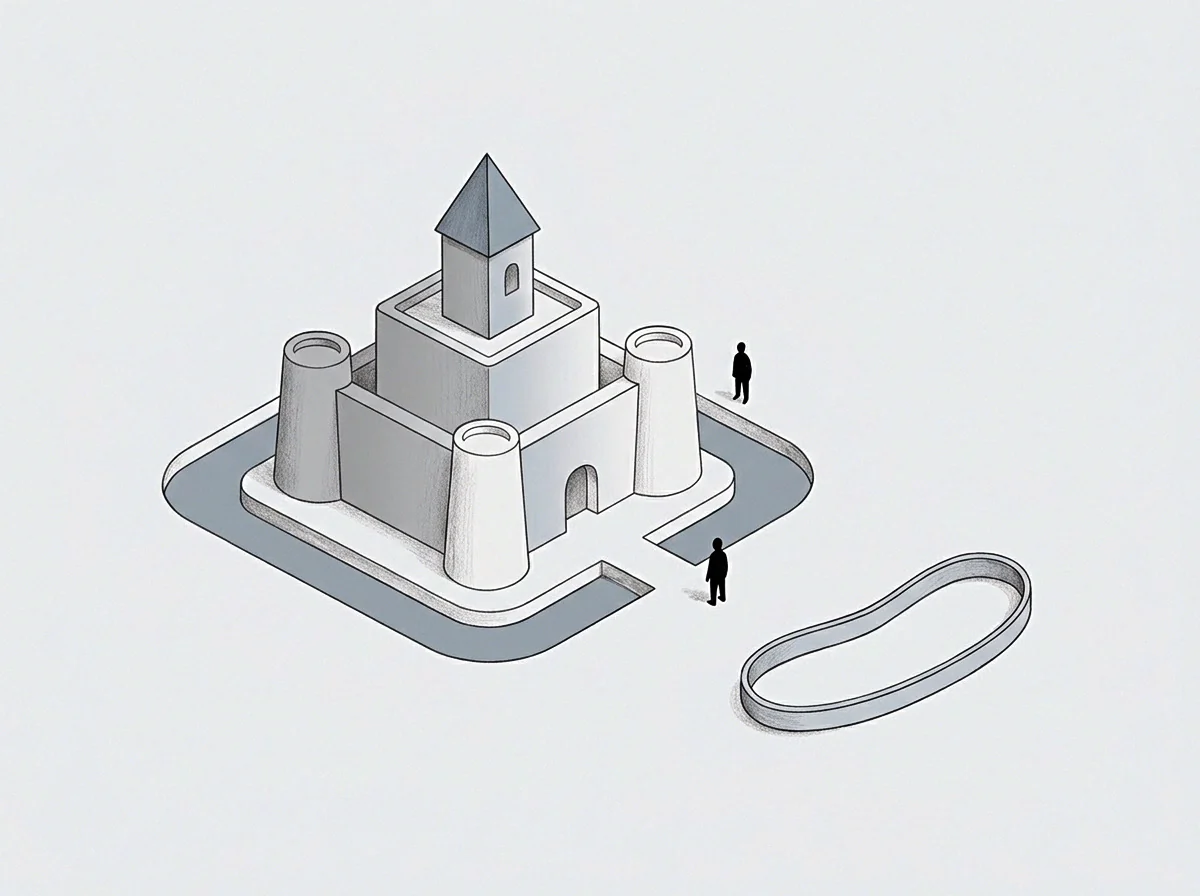
Reductions in long-term planning capacity stem from continuous executive involvement in daily operational firefighting. Corporate governance experts assess strategic capacity loss to quantify the cost of founder operational drag on long-term corporate positioning. The boundary of this concept measures lost strategic focus and planning time, excluding direct operational expenditure or immediate financial metrics.
Planning Displacement
Operational emergencies continuously divert executive focus away from long-term market analysis and capital allocation. Persistent strategic capacity loss occurs when founders spend working days resolving customer complaints, reviewing operational details or managing supply disruptions. Shifting attention to immediate operational fires leaves zero time for strategic planning, competitor evaluation or executive hiring.
Over time, the lack of long-term planning weakens market positioning and degrades competitive advantage.
Attention Deficit
Fragmented executive attention prevents the deep analytical work required for major corporate initiatives. Experiencing strategic capacity loss limits leadership capacity to evaluate acquisition opportunities, enter new geographic markets or redesign revenue models. When founders remain locked in routine operational details, the firm operates reactively rather than executing proactive strategic initiatives.
Restoring strategic capacity requires delegating routine operations to functional heads.
Governance Degradation
Neglecting strategic planning weakens corporate governance and board effectiveness over extended periods. Compounding strategic capacity loss exposes the company to market disruption when competitors introduce major innovations. Recovering long-term planning capacity demands strict operational delegation and schedule protection.