Meaning
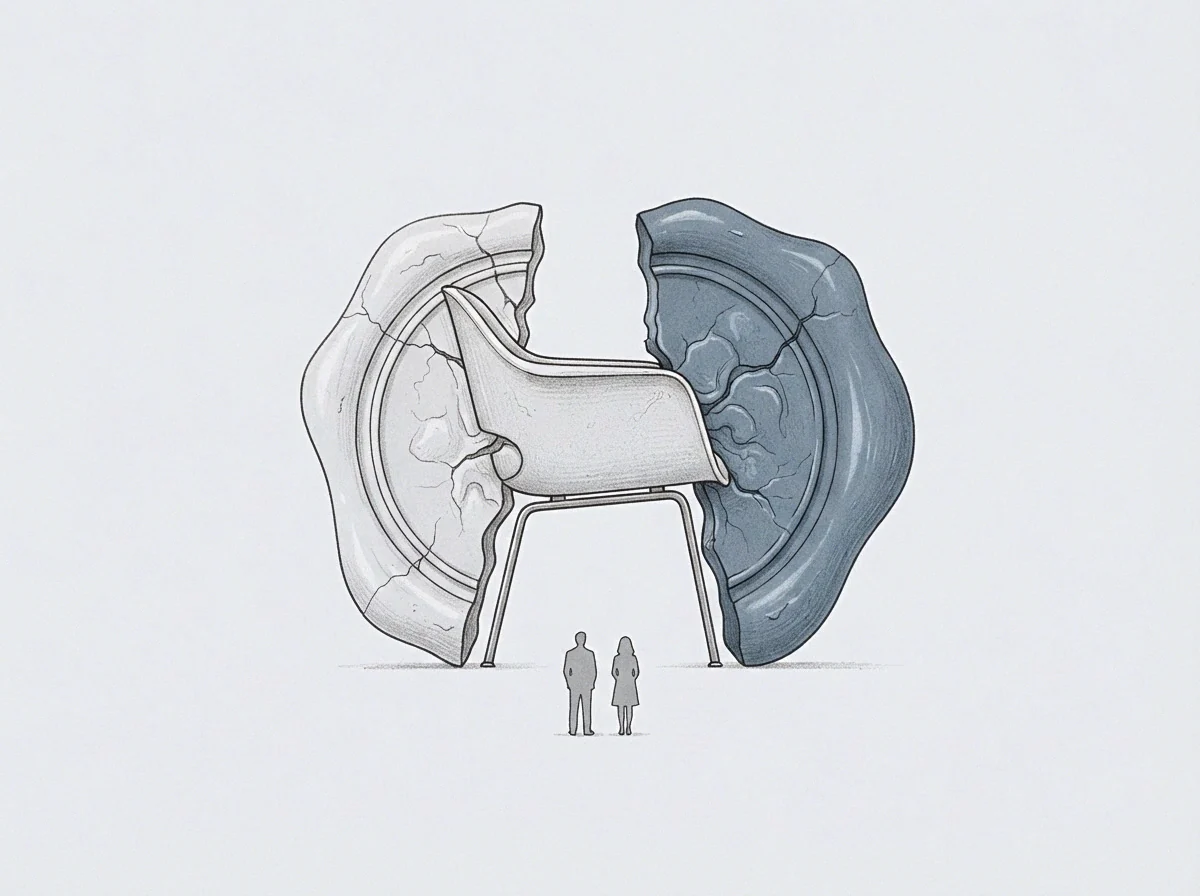
The possibility that a board of directors or shareholder group becomes unable to pass decisions arises due to an even division of voting power and the absence of a tie-breaking mechanism. High structural deadlock risk often arises in companies with fifty-fifty ownership structures or boards with an even number of directors representing opposing interest groups. This condition can halt daily business activities and prevent the execution of essential corporate maneuvers.
Decision Paralysis
When a board is divided equally between founder advocates and investor representatives, any strategic disagreement can lead to a complete standstill on critical matters like budget approval or executive hires. Without a contractually agreed resolution process, such as a swing vote or mediation clause, the corporate entity cannot act on new opportunities. This paralysis forces directors to focus on internal power struggles rather than company growth.
Operational Vulnerability
Ongoing inability to make decisions leaves the operating business vulnerable to market changes and competitor moves. If a competitor launches a new product, a deadlocked board cannot approve the capital expenditure needed to respond, causing the company to lose market share. Employees and customers often lose confidence in the leadership team when they see that the governing board is incapable of resolving its internal conflicts.
Strategic Cost
Resolving a deadlocked board usually demands a substantial amount of executive attention and can lead to expensive corporate dissolutions or forced equity buyouts. Founders often find themselves forced to sell their holdings or buy out their partners at a premium to regain control of the corporate direction. This complex process drains both the financial reserves and the mental capacity of the founders, representing an immense burden on their professional lives that can distract them from other investments for years.