Meaning
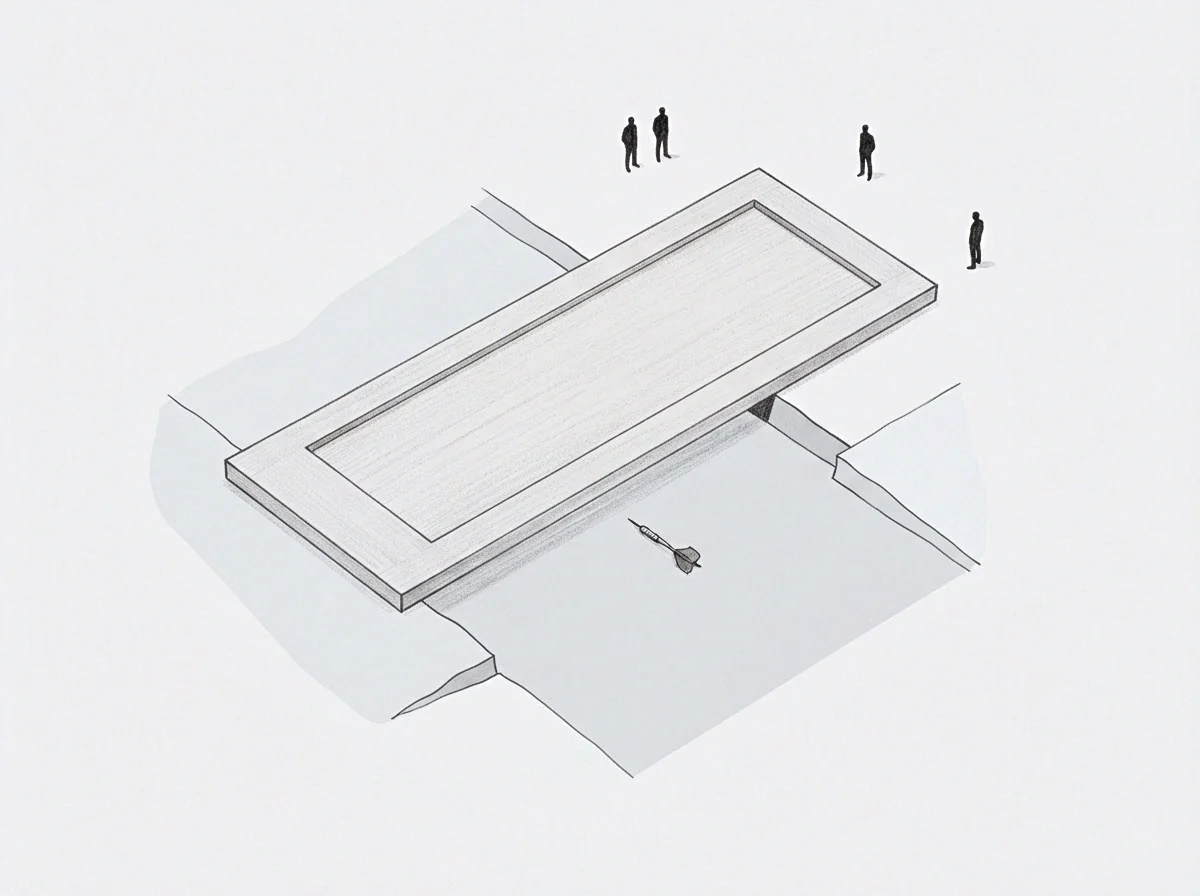
An organizational partitioning framework reorganizes assets and operational teams into isolated corporate units. A structural division separates distinct business lines or functional departments into standalone operational entities before equity sales or founder departures. The architecture governs legal asset allocation, team assignments, and operational reporting channels within each split entity.
By isolating units prior to a transaction, the corporate entity minimizes cross-entity liabilities. Its application ends where shared administrative services unite disparate operations under single managerial oversight.
Architecture Separation
Partitioning corporate structures requires formal transfer of property rights and workforce assignments. A structural division untangles shared IT infrastructure and shared accounting ledgers into distinct operating units. Establishing independent operational frameworks prevents future legal conflicts between separated business entities.
Clear structural separation enables clean equity divestitures or targeted management buyouts.
Resource Friction
Uncoupling shared corporate resources creates temporary operational inefficiencies and increased administrative overhead. Splitting centralized functions forces each newly created unit to build redundant finance and legal departments. The duplication of overhead functions increases annual operating costs across both entities.
Navigating asset allocation discussions drains executive energy during the restructuring phase.
Operational Autonomy
Creating standalone business units grants complete operational freedom to respective unit leaders. Following a structural division, executive teams make independent operational choices without coordinating across foreign business lines. This autonomy accelerates decision cycles and aligns management incentives with unit performance.
Establishing clear operational independence maximizes the market value of each separate unit prior to sale.