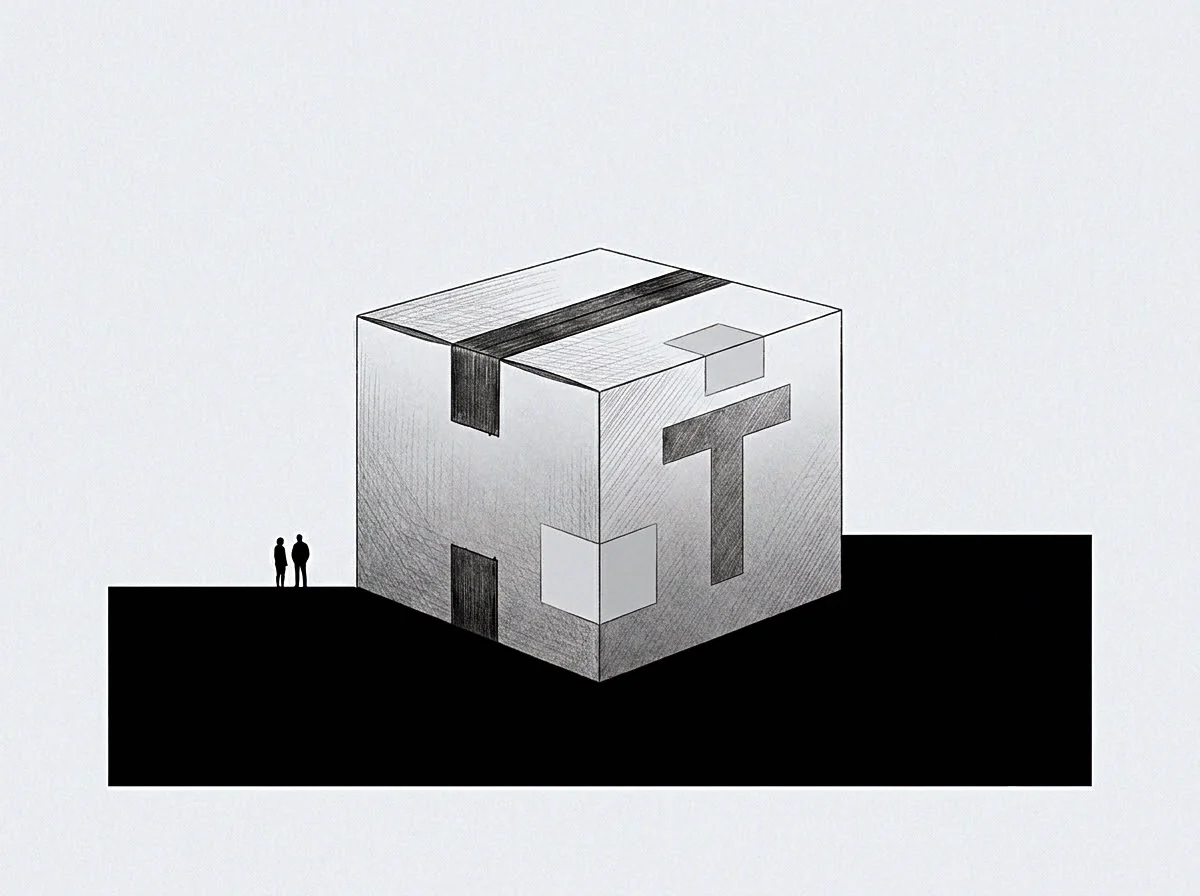
Meaning
The organizational breakdown that occurs when a company’s leadership transition cannot be completed successfully disrupts both operational continuity and investor confidence. When a succession failure occurs, the departure of a founder or top executive leaves the firm without a competent, accepted leader. This situation causes strategic stagnation as the business struggles to make major decisions.
It governs the continuity of executive leadership and is resolved only when a permanent, stable management team is established.
Strategic Interruption
Disruption within the leadership team often leads to a drop in employee morale and product development. If a suitable successor is not prepared, the board must appoint an interim manager to handle daily tasks. This temporary measure usually lacks the authority to set long-term directions.
It leaves the organization in a state of suspended animation.
Financial Cost
Losing a founder without a clear transition plan damages the company’s valuation and fundraising prospects. Investors may hesitate to fund an enterprise that lacks a unified and long-term executive team. This instability can lead to talent attrition and loss of market share.
It increases the overall risk of business failure.
Resolution Requirement
Attention must be directed toward preparing future leaders long before any exit takes place. The board of directors spends hours design-planning succession strategies to avoid sudden gaps. Establishing clear roles and expectations prevents friction between outgoing and incoming managers.
This proactive approach ensures the continuous survival of the corporate mission.