Meaning
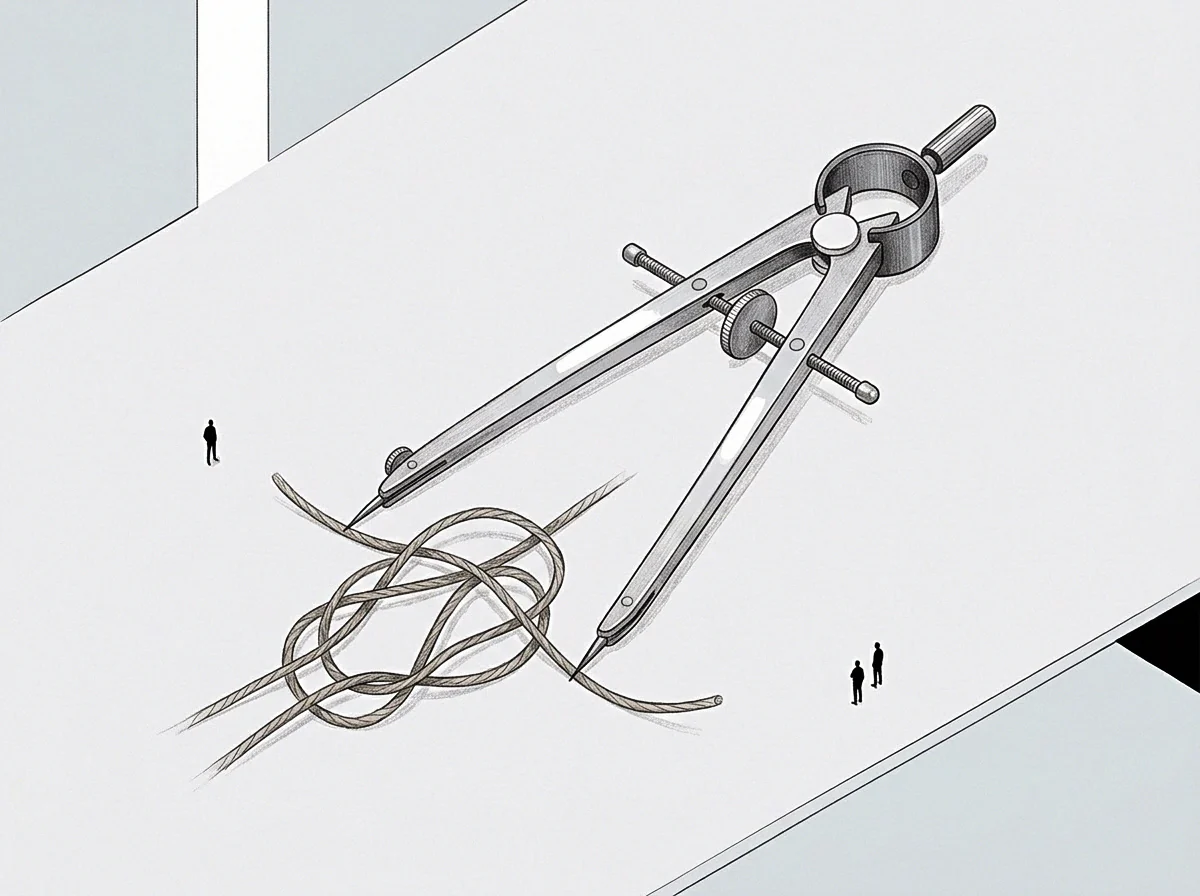
Rapid consolidation of operational bandwidth into a single administrative individual characterizes a surge compact inside the post-founding executive transition. This compressed structure assigns every critical control node to one remaining founder when a board downsizing occurs or financial runway compresses past ordinary thresholds. The mechanism concentrates voting leverage, treasury access and product direction into an indivisible set of duties until external financing restores distributed governance.
Operating under this arrangement demands exceptional hours and constant cognitive attention, drawing down personal capacity rapidly because delegation options cease to exist.
Capacity Cost
Extreme concentration of daily decisions drains founder energy reserves within weeks rather than quarters. Board meetings merge with product sprints and payroll authorizations inside a single calendar, leaving no buffer for recovery between crises. Sleep deprivation impairs judgment regarding long-term architectural choices, forcing short-term expedients that accumulate technical debt.
Attention fragmentation prevents deep analytical work on financial solvency, leaving the business vulnerable to sudden cash flow interruptions.
Structural Fracture
Single-person authority removes the internal friction that protects governance from unmonitored missteps. Directors lose independent oversight when every report flows through the sole remaining executive who also holds board control. Employee feedback loops break down because staff members hesitate to challenge a leader who wields absolute control over compensation and termination.
This absence of dissent creates blind spots around market shifts that a functional management team would normally catch early.
Resolution Threshold
Decompression occurs only when fresh capital injects enough runway to rehire departmental leads or when an acquisition transaction finalizes the corporate lifecycle. Introducing new operational peers redistributes the administrative burden and restores executive longevity. External mediation helps unwind the concentrated authority without destabilizing ongoing product delivery.
Rebuilding distributed governance stabilizes the enterprise by aligning accountability with actual human capacity limits.