Meaning
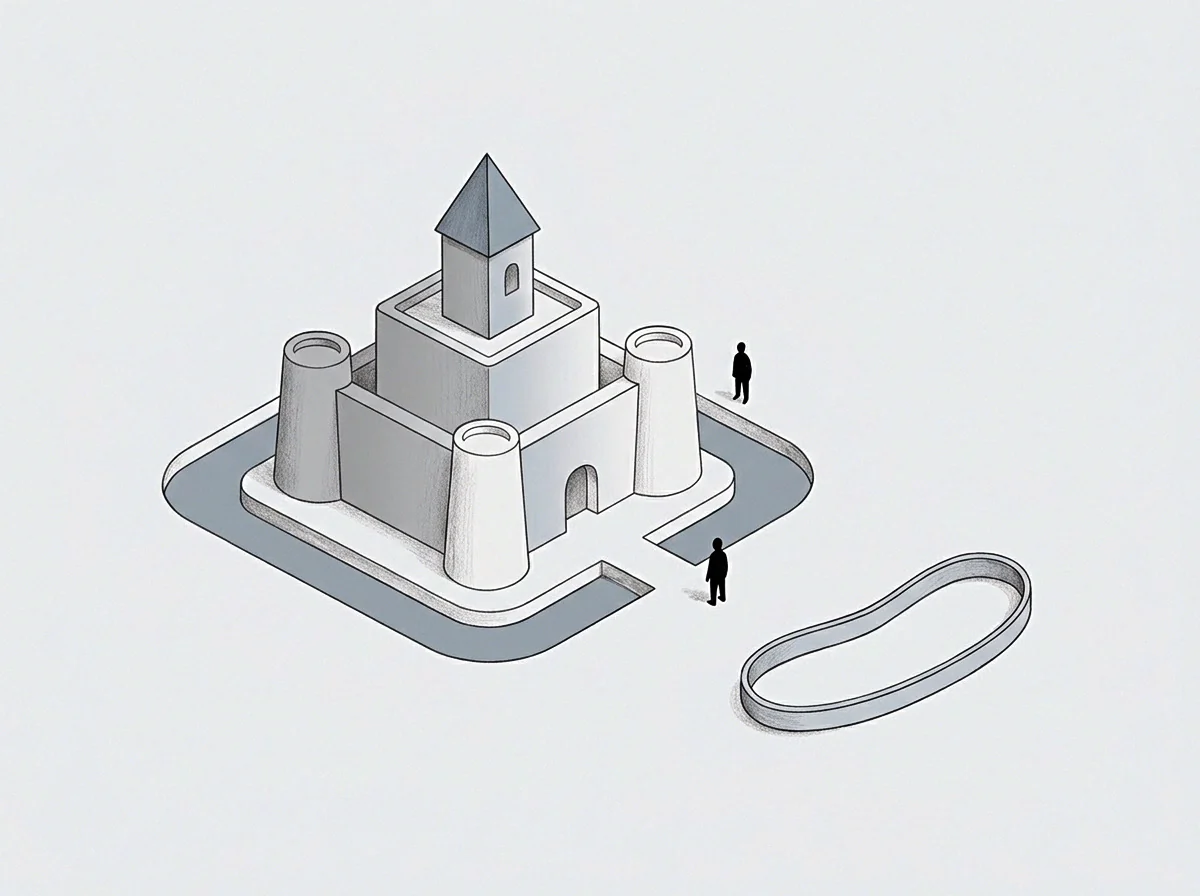
Operational friction occurs when a founder redirects high-value strategic attention toward routine administrative functions that remain unassigned after the initial growth phase. This task displacement drains professional capacity by forcing the original architect of the venture to process tactical output instead of long-term planning. The phenomenon arises because the founder retains technical knowledge of early processes while failing to delegate them to specialized roles.
Over time, the individual loses the ability to view the venture from the seat of an owner because their daily hours are consumed by the granular requirements of a technician.
Cognitive Cost
Persistent engagement in low-level work reduces the mental bandwidth available for capital allocation or market positioning. This occupation of the founder seat by the operational hands of a subordinate leads to a gradual stagnation of company trajectory. Each hour spent on manual maintenance creates a direct reduction in the quality of executive oversight.
Performance Drag
Resource allocation suffers when the person who should be building the system is instead maintaining its legacy components. This shift generates a hidden expense for the company since the cost of founder time far exceeds the cost of hiring a specialist for the same routine function. Efficiency drops as the founder becomes the bottleneck for every minor process that demands approval.
Strategic Vacuum
Future development halts when the attention of the executive is trapped in the maintenance of current operations. A failure to clear this space prevents the organization from entering new markets or scaling existing infrastructure. The absence of high-level steering ensures the venture remains tethered to the original state that the founder intended to move beyond.