Meaning
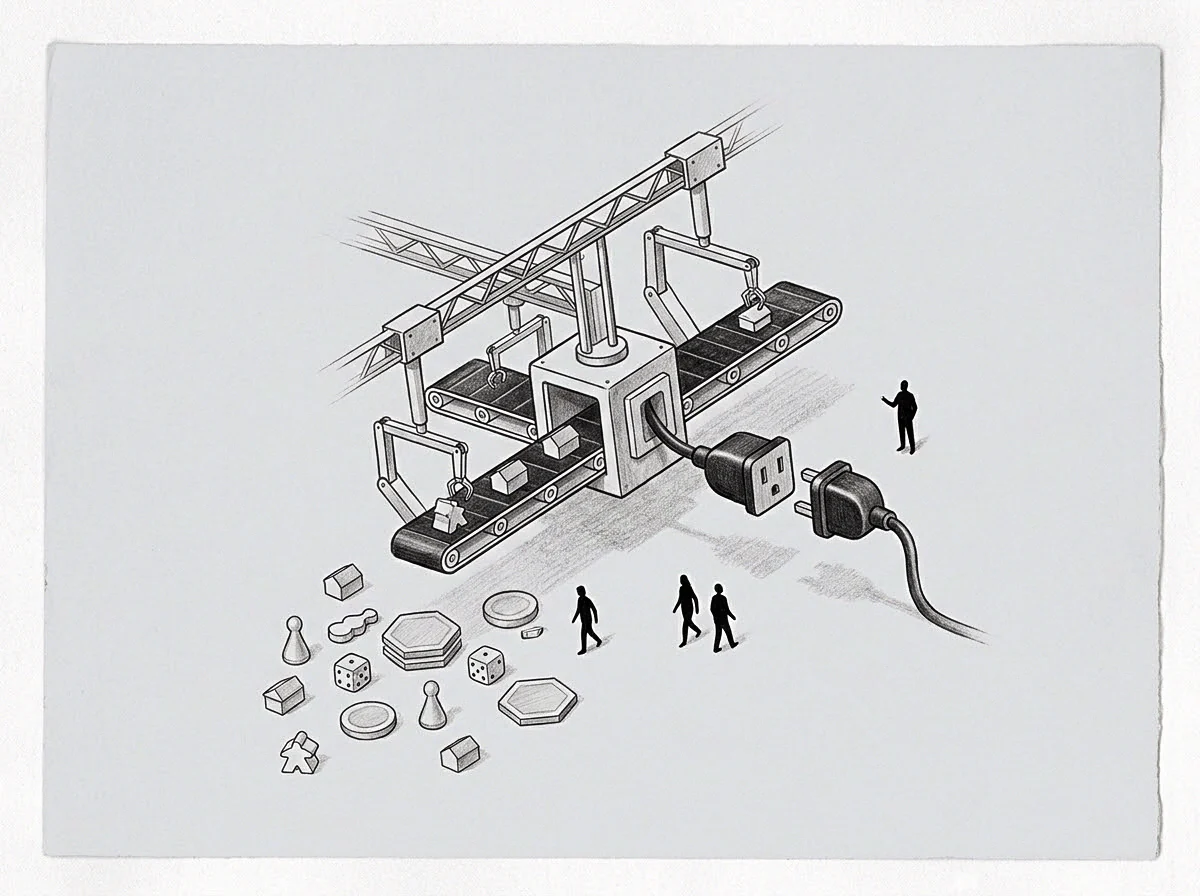
Splitting of a single workday into numerous small and unrelated pieces of activity. Task fragmentation occurs when a person is constantly interrupted by requests and notifications. This condition prevents the achievement of a flow state and significantly reduces the total cognitive output of the individual.
Cognitive Interference
Each small interruption requires a mental reset that consumes a portion of the available energy for the day. When task fragmentation is high, the brain is forced to process a high volume of shallow information rather than completing a single deep project. This constant shifting creates a sense of being busy without the satisfaction of making tangible progress on major goals.
Operational Friction
Breaking up the focus of a manager or a founder slows down the pace of decision making across the entire company. Because no single topic receives the necessary amount of uninterrupted attention, the quality of the work produced is often lower than it could be. Task fragmentation also increases the likelihood of forgetting small details or failing to follow up on important tasks.
Structural Solution
Designing a workday that clusters similar activities together is an efficient way to combat this loss of productivity. By batching administrative work and setting specific times for meetings, a person can reduce the frequency of the shifts between roles. This intentional organization of the schedule preserves the mental capacity needed for the complex parts of the seat.
Without such a system, the accumulation of small tasks will eventually dominate the entire week.