
Contractual Mechanisms For Rebalancing Equity During Unilateral Founder Handovers
Dynamic buyback covenants and reverse vesting schedules allow surviving founders to repurchase common equity at par value upon unilateral executive departures.

Room
An unread resignation email remains on an external monitor at four in the morning, next to a cap table showing two equal common share allotments of forty-five percent drafted thirty months prior, when operational duties were still undefined. One co-creator steps away from technical builds, leaving the operating partner with ninety weekly hours spanning engineering, fundraising, and administrative maintenance. The departing party retains legal title to equity originally structured to capitalize four years of ongoing execution.
When an executive steps away from operations while retaining intact common stock, an asymmetry emerges between active labor and passive ownership. The business risks corporate governance deadlock because prospective investors routinely decline to fund entities carrying large dead equity allocations on the capitalization table. Contractual provisions manage this imbalance by tying unvested equity, voting proxies, and buyback structures directly to verifiable operational seats.
Unilateral abandonment of operational roles triggers immediate equity repurchase options when separation covenants define service abandonment as an unapproved departure.

The Separation of Title and Labor
Legal ownership of corporate securities operates independently of employment agreements. Standard technology sector formations issue common stock early, binding founders to four-year vesting schedules with a one-year cliff. When a partner ends active contribution after twenty-four months, that individual leaves with half their initial allocation fully vested, despite the uncovered workload left behind.
The enterprise absorbs the remaining twenty-four months of execution risk, while the departing founder captures equivalent financial upside without dedicating further time or attention.
Equity serves as advance compensation for ongoing execution. When that participation ends early, the commercial enterprise must reallocate those economic interests to incoming management. The legal obstacle stems from statutory corporate law in Delaware and comparable jurisdictions, which prevents corporations from cancelling validly issued and vested shares without an explicit contractual mechanism established before the dispute arises.
Operating partners absorb the workload directly, where sleep deficits accumulate and cut into analytical clarity. The continuing partner writes production code through the afternoon, handles customer calls until dusk, and audits balance sheets past midnight. That physical and mental load can be sustained for brief periods before operational capacity degrades entirely.
Left unaddressed, equity imbalances regularly stall businesses through executive fatigue and capitalization structures that outside capital refuses to finance.
Redemption
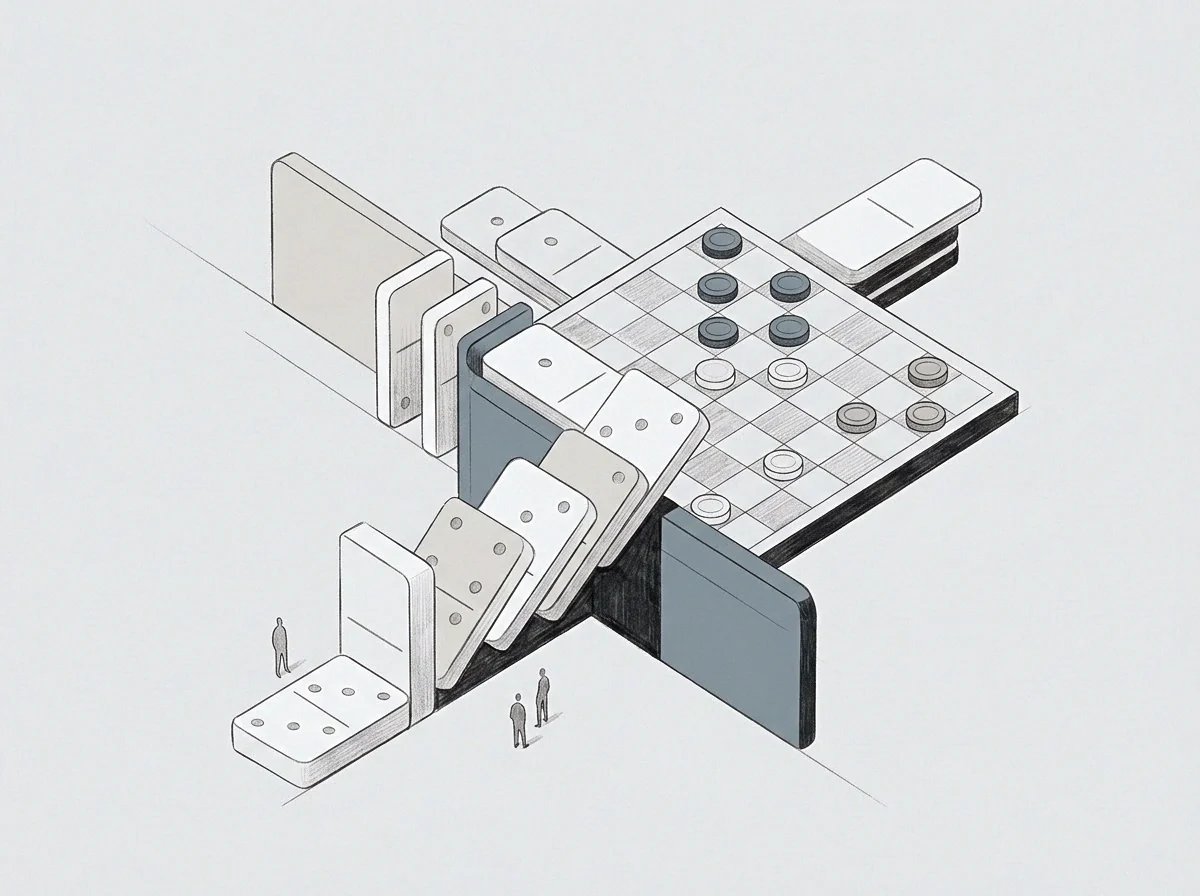
Shareholders agreements and equity incentive plans define the formal terms that govern operational withdrawals. Enforceable contracts depend on explicit, pre-negotiated redemption rights that activate immediately upon an executive resignation or an unapproved departure from operational duties. Without established repurchase terms, the surviving executive must either dilute both positions heavily through an expanded option pool or dissolve the entity entirely to reset the ownership structure.
Vested equity clawbacks function exclusively when repurchase valuations follow objective book value formulas rather than disputed fair market assessments.
Contractual Repurchase Mechanisms
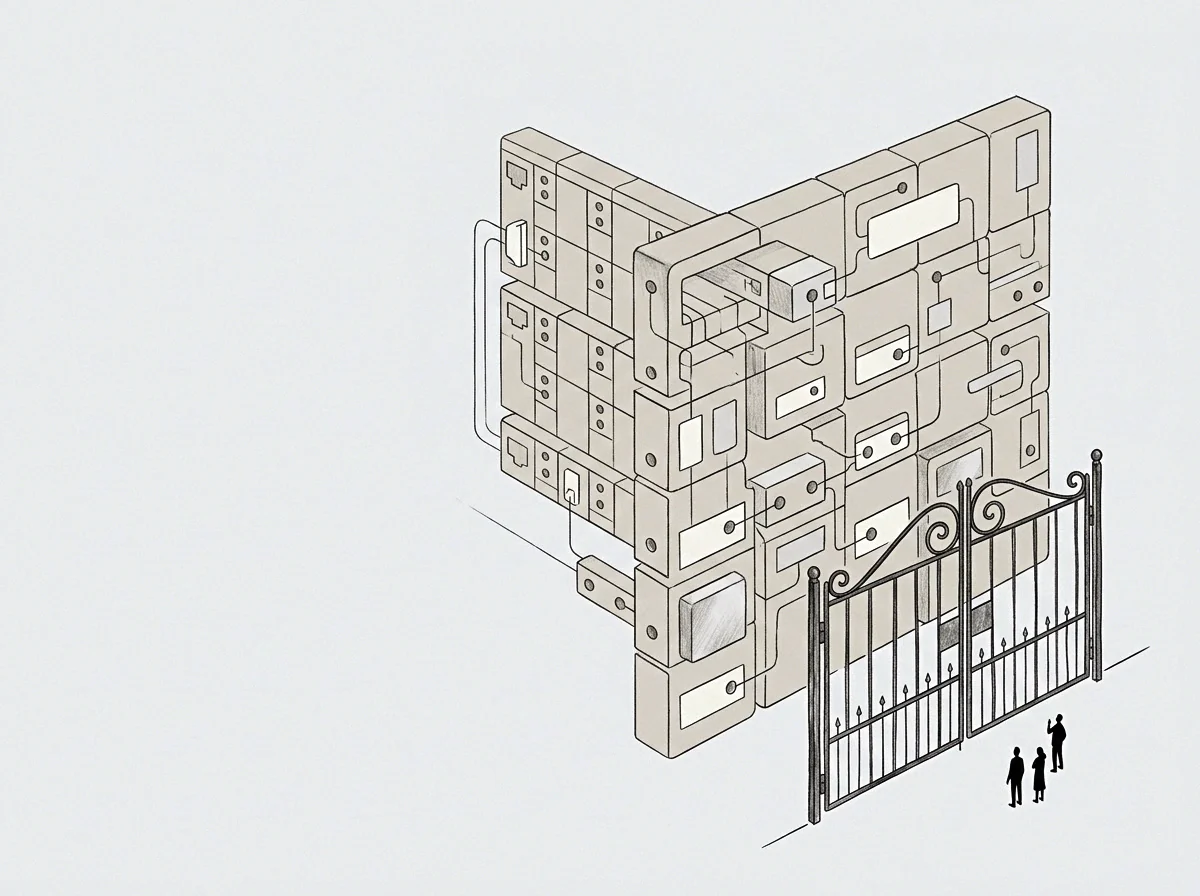
Share restriction agreements implement specific instruments to recalibrate ownership when an executive departs ahead of complete corporate maturity:
- Reverse Vesting Acceleration Restrictions lock unvested shares against accelerated settlement, forcing immediate corporate reacquisition at nominal par value upon any unscheduled cessation of executive duties.
- Bad Leaver Forfeiture Provisions enforce the mandatory return of even fully vested securities at original issuance price if the departure constitutes a breach of baseline fiduciary service covenants.
- Milestone Linked Clawback Clauses reclaim designated portions of vested equity when specified commercial objectives, operational metrics, or technical deliveries remain unfulfilled by the departing officer.
- Corporate Call Option Windows grant the board of directors a ninety-day unilateral election to purchase back vested common stock at an independently determined fair appraisal.
Standard vesting schedules rarely resolve departures that occur past the one-year cliff. A founder who surrenders their seat after eighteen months retains thirty-seven and a half percent of a four-year grant, leaving a large block of inactive ownership on the register. Advanced restriction covenants address this exposure by setting dynamic repurchase rights that distinguish between mutual separations and unilateral resignations.
| Mechanism Type | Trigger Event | Repurchase Valuation Base | Tax Implication Under Section 83 | Equity Destination |
|---|---|---|---|---|
| Reverse Vesting Par Call | Unilateral resignation prior to full four-year service completion | Original purchase price per share (nominal par value) | Ordinary income tax event avoided if valid timely election filed | Returned to company treasury for cancellation or pool expansion |
| Milestone Clawback Clause | Failure to deliver specified technical architecture or commercial licenses | Lesser of fair market value or adjusted book equity value | Potential capital loss deduction depending on initial purchase election | Direct redistribution to active operational successors |
| Good Leaver Appraisal Put | Separation caused by disability, illness, or mutual board consent | Independent third-party qualified appraisal valuation | Capital gains recognition on realized appreciation over basis | Corporate treasury retirement with deferred installment promissory note |
| Voting Proxy Transfer | Any operational departure where legal ownership remains intact | Zero monetary exchange; transfer of administrative governance | Neutral tax status as economic benefits remain with legal owner | Consolidated voting block granted to continuing managing director |
Section 83(b) filings govern the commercial feasibility of these repurchase mechanisms. When a founder receives restricted shares subject to a substantial risk of forfeiture, the taxpayer must file an election with the Internal Revenue Service within thirty days of grant. Missing that deadline forces the departing founder to treat the full market value of the shares as ordinary income across each vesting milestone, which creates substantial phantom tax obligations during periods of rising valuation.
The operative repurchase clause dictates whether the entity buys shares using cash reserves or issuing an unsecured promissory note maturing across five calendar years.

Taper
Graduated reallocation systems replace sudden equity forfeitures with progressive operational adjustments. Rather than cancelling ownership entirely at departure, structured advisory conversions shift the outgoing founder from a forty-hour operational role into an advisory capacity. This tapering protocol scales equity retention to verified time commitments, limiting dead equity while recognizing early foundational work.
Dynamic split frameworks calculate equity entitlement using verifiable contributions. Time tracking records, intellectual property assignments, and commercial introduction metrics establish quantitative weightings for relative equity stakes. The active partner earns incremental units through subsequent operational milestones, gradually diluting the departed founder to a minority interest.
Founder equity allocations should correspond directly to the operational hazard borne by the person occupying the active seat.

The Structural Transition Schedule
Execution of a phased departure agreement follows explicit contractual stages:
- Surrender of statutory officer positions, corporate banking authorizations, and enterprise governance authorities occurs on the effective separation date.
- Execution of an irrevocable voting proxy assigns all shareholder voting power to the active operating director until a liquidity event occurs.
- Recalibration of the remaining equity converts eighty percent of unvested common shares into a non-voting employee option pool for replacement personnel.
- Execution of a twenty-four-month consulting pact preserves a modest equity slice in exchange for five verified advisory hours per calendar month.
A structured wind-down retains institutional knowledge within the company. The active operator secures clear governance control, avoiding deadlock during prospective venture financing rounds or commercial debt acquisitions. Capital allocators view these clean cap table restructurings favorably, knowing that active talent holds sufficient equity upside to survive severe enterprise hardships.
The baseline principle holds across all equity negotiations: passive equity holders must yield administrative control to the operators managing the daily business.

Bench
An empty executive desk represents lost capacity that must be recruited on the open market. Hiring an external chief technology officer or commercial operating officer requires substantial equity grants, frequently ranging between five and fifteen percent of company stock. When dead equity burdens the cap table, existing option pools lack sufficient capacity to attract replacement managerial talent without steep dilution for the remaining founder.
Corporate recapitalizations resolve severe equity impasses through formal stock reclassifications. If a departing co-creator refuses voluntary equity relinquishment, the board of directors can issue a new class of preferred stock to financing partners or active operators. This restructuring mechanism establishes senior liquidation preferences, effectively rendering the departed co-founder’s common stock economically irrelevant until the active operators extract enterprise value through sustained sweat equity.
Capital structures survive executive abandonment only when corporate bylaws empower remaining operators to issue compensatory options without dead-equity shareholder consent.

Governance Insulation and Successor Protection
Operating agreements must insulate surviving directors from minority oppression litigation. When an inactive shareholder retains twenty or thirty percent of common equity, corporate actions such as dilutive financings or recapitalizations invite claims of breach of fiduciary duty. Proactive protective provisions incorporate drag-along covenants, waiver of appraisal rights, and clear conflict-of-interest authorizations that allow remaining executives to issue replacement equity without legal vulnerability.
Agreements must distinguish clearly between initial contributions and sustained operational work. A co-founder who writes early codebase provides foundational momentum, but software architecture requires ongoing updates, security patching, and technical refactoring. Early execution cannot justify an unadjusted claim on commercial value generated over subsequent years by surviving operators.
A fundamental dispute remains unresolved across modern enterprise governance: can any standard legal contract truly price the emotional, physical, and psychological exhaustion of the executive who stays behind to carry the entire enterprise alone?