Meaning
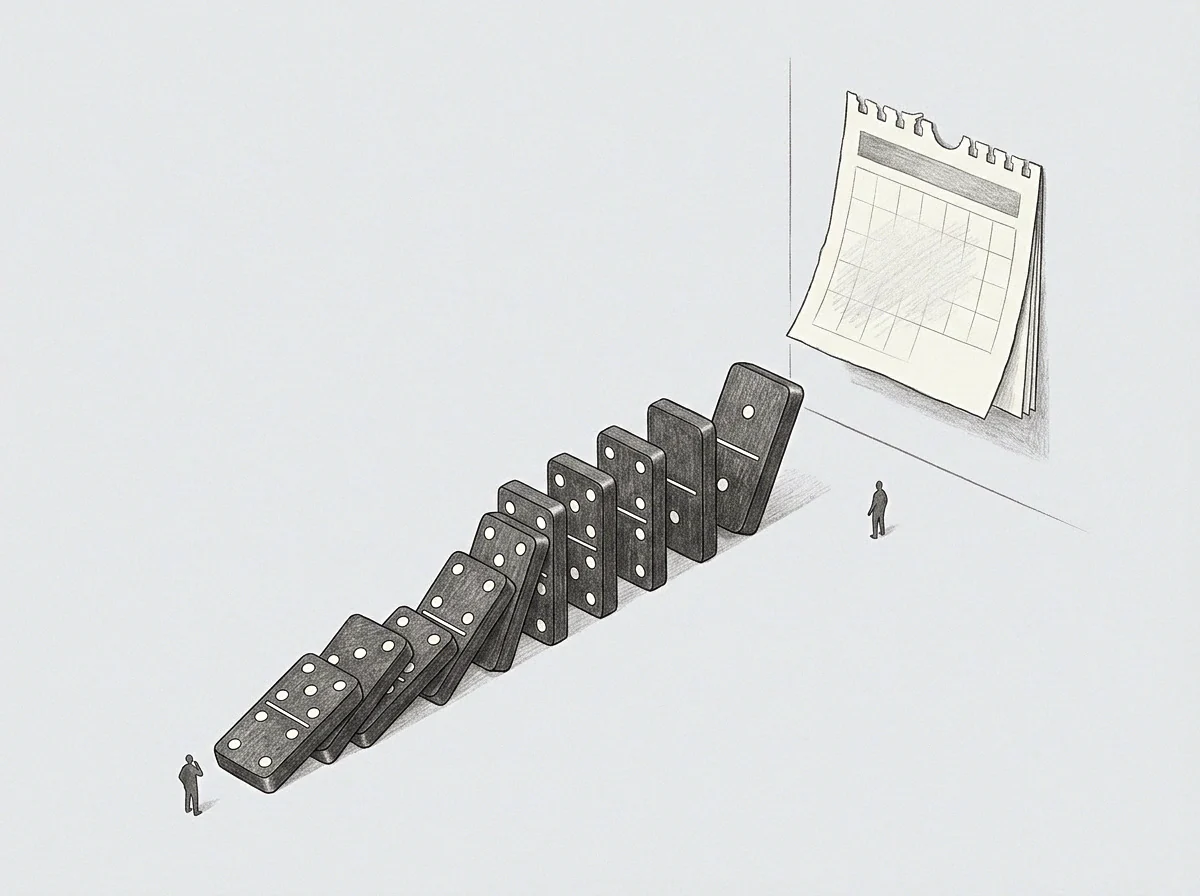
Operational friction resulting from incomplete organizational handovers constitutes a persistent drag on strategic execution. Following executive succession, transfer residue appears when former leaders retain informal channels, personal loyalties and uncodified vetoes within the company. The concept stops applying once historical communication habits fade completely and staff report strictly through formal management lines.
Residual Influence
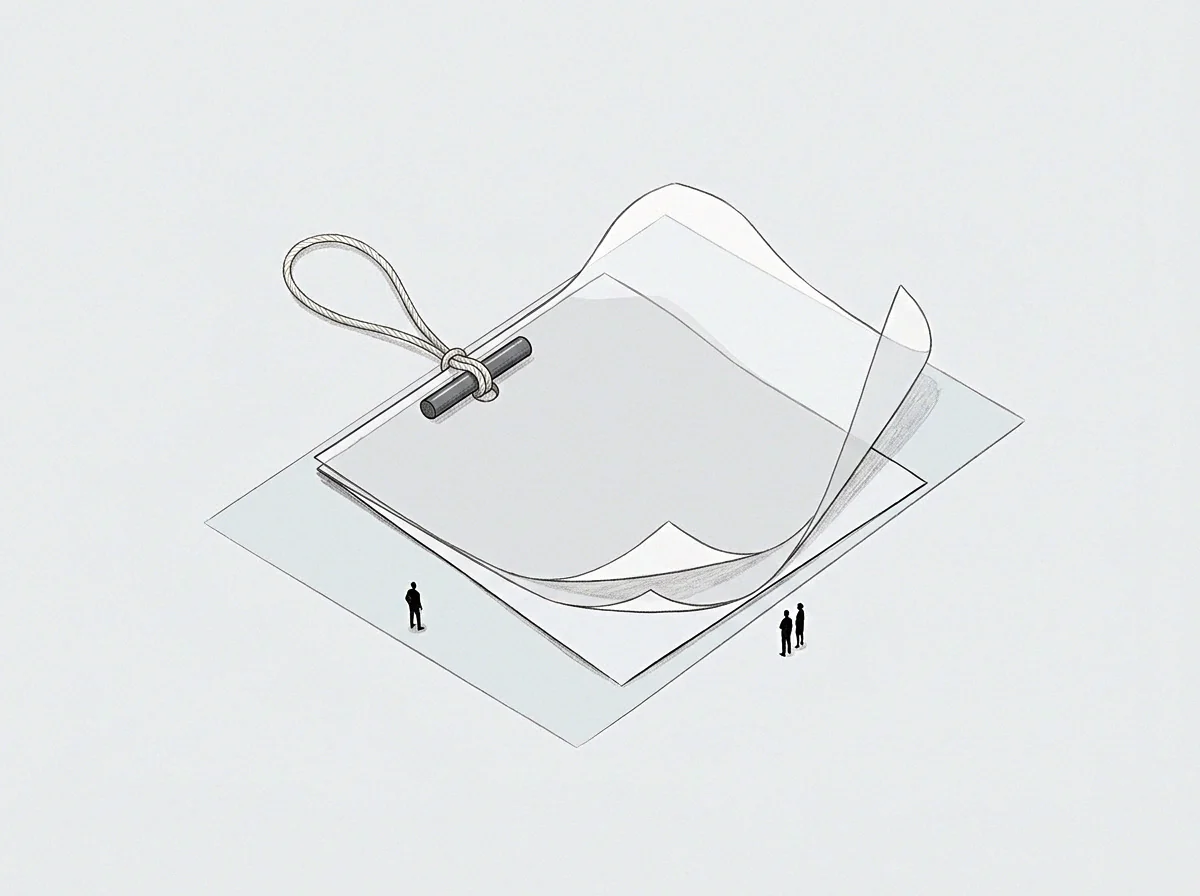
Long-serving employees continue seeking informal guidance from retired founders rather than appointed managers. This persistence of transfer residue undermines the authority of incoming executives and creates parallel decision channels. Departmental heads bypass official protocol to check legacy preferences before launching major initiatives.
Systemic Drag
Dual lines of reporting create administrative confusion and slow project approvals across functional teams. Because transfer residue persists, incoming executive officers waste effort negotiating authority boundaries with legacy staff members. Strategic initiatives stall while managers clarify whether historical policies or newly issued executive mandates take precedence.
Corporate governance structures weaken when staff view formal hierarchy as secondary to historical personal relationships.
Personal Strain
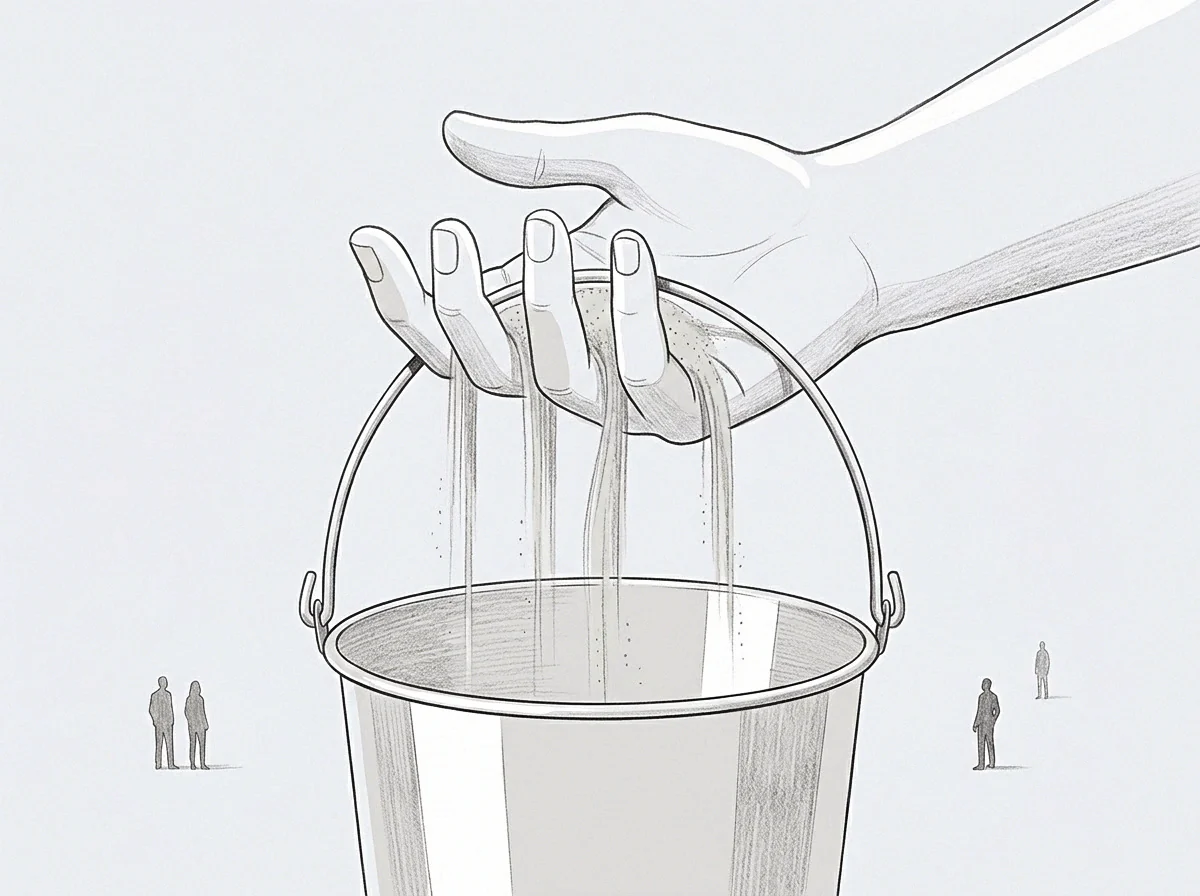
Remaining partially involved without clear operational portfolio exhausts the departing founder. Navigating transfer residue forces a founder to manage internal politics and staff back-channels long after formal resignation. Attention burns on mediating conflicts between loyal legacy employees and newly installed management teams.