Meaning
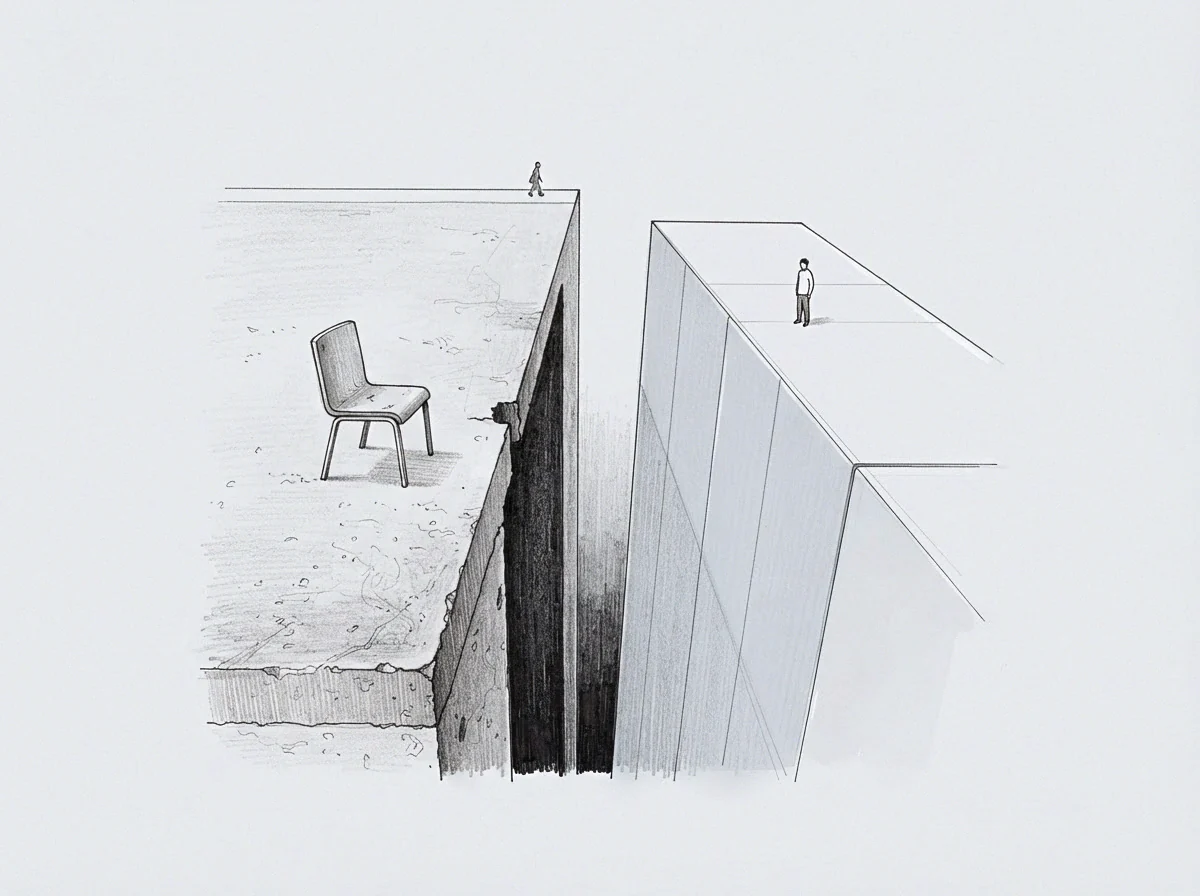
Temporary structure of processes and support roles facilitates the movement of an individual from one functional seat to another. The transition scaffold provides the necessary stability while the permanent structure of the company is being reconfigured. It allows the outgoing leader to transfer knowledge without leaving a vacuum in the management seat.
Support Framework
Building the tools for a handover requires a substantial investment of time before the actual exit occurs. A transition scaffold might include documentation, scheduled meetings, temporary personnel and training protocols. This framework is designed to be dismantled once the new person is fully established in the seat.
Load Distribution
Spreading the weight of the founder’s duties across several people prevents the system from collapsing during the change. During the period the transition scaffold is in place, the energy cost for the founder may actually increase as they teach others. However, this peak is temporary and leads to a total release of the seat in the long term.
By dividing complex tasks into smaller, manageable pieces, the organization ensures that no single individual is overwhelmed by the legacy of the previous occupant. This distribution of labor creates a resilient foundation for the next phase of the company’s life.
Structural Removal
Taking down the temporary supports is the final act of a successful handover. If the transition scaffold remains in place too long, it becomes a crutch that prevents the new manager from taking full responsibility. The boundary of its utility is the point where the new occupant of the seat can perform the work without external assistance.