Meaning
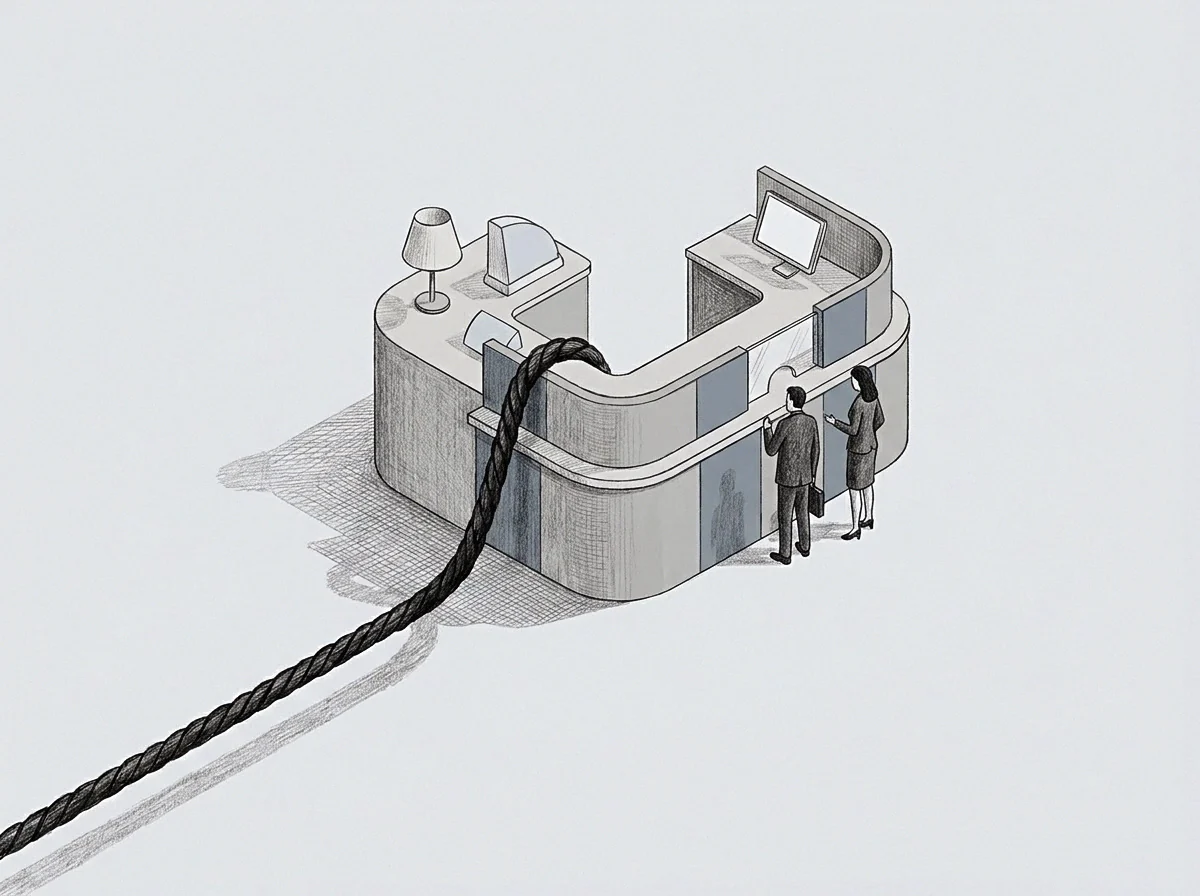
Transactions through which a shareholder’s interest in a company is purchased by the corporation or by other shareholders represent a fundamental method for restructuring ownership. An equity buyout allows founders to liquidate their holdings and formally detach themselves from the capitalization table of the business they built. This process is complete when the transfer of shares is executed and the purchase price is fully settled.
Valuation Standard
Independent appraisals and pre-agreed formulas usually establish the share price for the transaction. When the parties agree on a fair value, it minimizes the risk of legal challenges or delays.
Ownership Exit
Ending the founder’s voting rights, governance influence and right to future dividends marks the final transition phase. This clean break reduces the emotional and cognitive load associated with the business, allowing the individual to focus entirely on their next venture. However, the loss of control also means they can no longer influence the direction of the company they spent years developing, representing a substantial shift in professional status and daily routine.
Capital Realization
Receiving the proceeds of the transaction provides the founder with immediate liquidity to pursue other personal or professional interests. This capital can be reinvested into new startup ideas or diversified into less concentrated assets.