
Measuring Implicit Operational Overrides During Chief Executive Leadership Succession Transitions
Measuring implicit operational overrides requires tracking deviations between formal executive signing authority and unrecorded daily operational routing decisions.
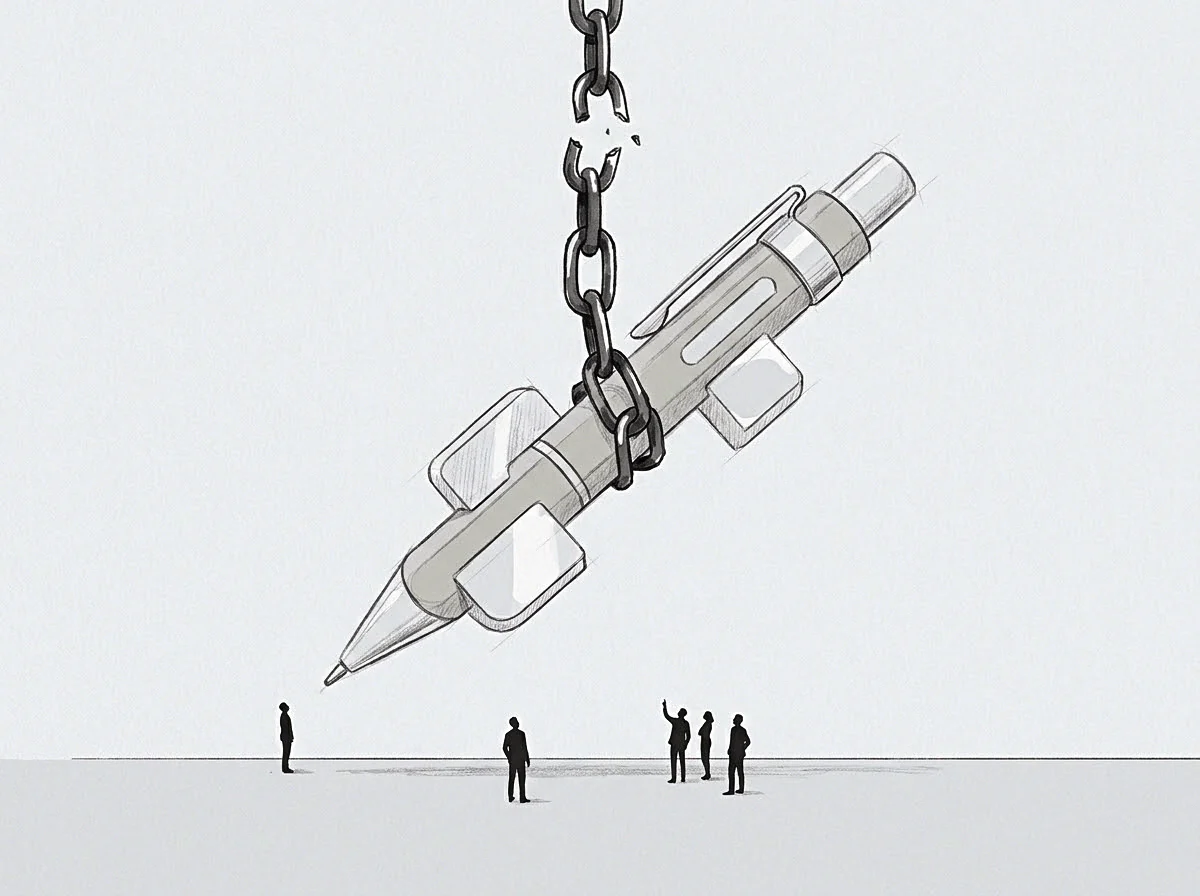
Shadow
An incoming chief executive steps into an office where decisions move along invisible rails. Three weeks after taking the seat, a product shipment launch date changes without a board vote, an executive hiring search stops without a memo, and a capital deployment schedule shifts without a written order. Department heads continue consulting the former leader through private messaging groups, personal dinners, and unrecorded phone calls.
The nominal chief executive holds formal signing authority, while actual operational control flows through legacy personal relationships established over years of building.
This dynamic forms an implicit operational override. Informal authority structures bypass formal corporate governance without generating explicit conflict. The former leader rarely intends to undermine the transition.
Deep operational habits and long-standing personal trust cause staff to seek tacit validation from the familiar founder. Authority leaves empty rooms. The organization maintains a dual control system where official charters point one way while daily execution follows legacy instincts.
Measuring legacy operational overrides exposes the distance between nominal corporate authority and daily execution habits.
Quantifying these bypass events demands tracking structural deviations between nominal delegation and actual operational velocity. When department directors route strategic approvals to an outgoing founder, project timelines alter without recorded rationale. The organization absorbs friction through duplicated briefings, delayed execution, and contradictory departmental priorities.
Leaving implicit overrides unmeasured dilutes chief executive authority, leaves the successor operating without genuine autonomy, and exposes the firm to systemic operational stagnation when emergency decisions stall across conflicting chains of command.

Ledge
Evaluating uncodified leadership interventions relies on mapping operational telemetry across executive decision channels. Informal overrides leave distinct structural footprints inside enterprise communications, approval workflows, and resource allocation patterns. Legacy patterns resist paper.
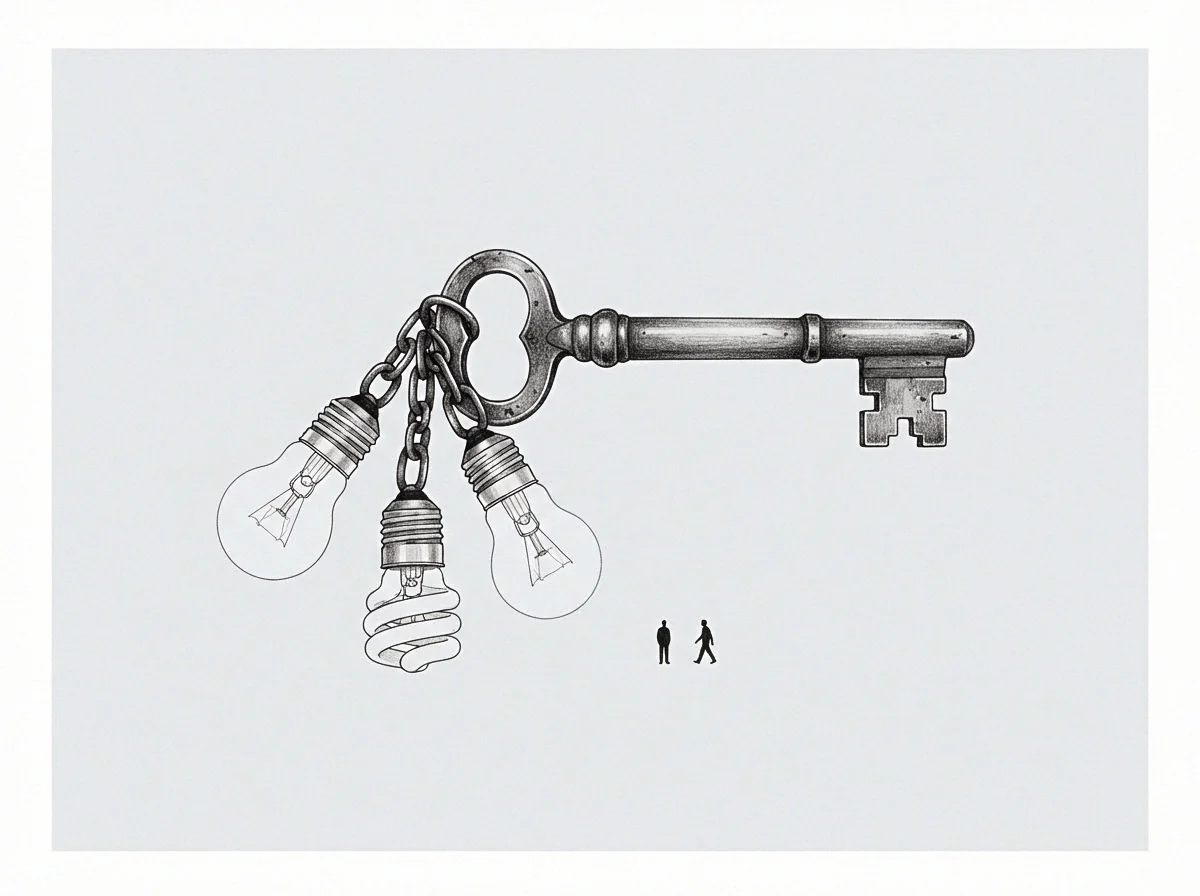
Telemetry of Decision Routing
Tracking the execution path of strategic initiatives exposes where formal chief executive assent gets bypassed. Operational telemetry monitors three specific structural indicators across transition periods. First, message volume distribution between department heads and outgoing leadership indicates persistent shadow governance.
Second, turnaround latency on strategic directives reveals whether mid-level managers wait for secondary tacit approval before executing formal orders. Third, unrecorded operational adjustments occurring shortly after formal board decisions signal direct legacy interference.
Consider a comparative scenario involving two software firms undergoing leadership succession. Firm Alpha establishes baseline tracking on operational routing, monitoring executive chat metadata and work ticket modifications. When an outgoing founder suggests an unscripted feature modification, the system flags the ticket modification as an uncodified override.
The successor addresses the intervention immediately in executive committee. Firm Beta relies on self-reported executive feedback without structural telemetry. The outgoing founder quietly instructs engineering leads to alter core architecture over private calls, delaying the primary platform launch by four months while the successor remains unaware of the root cause.
Silence conceals operational bypass.
Operational overrides decay only when enterprise metadata reveals where formal authority gets diverted to legacy channels.
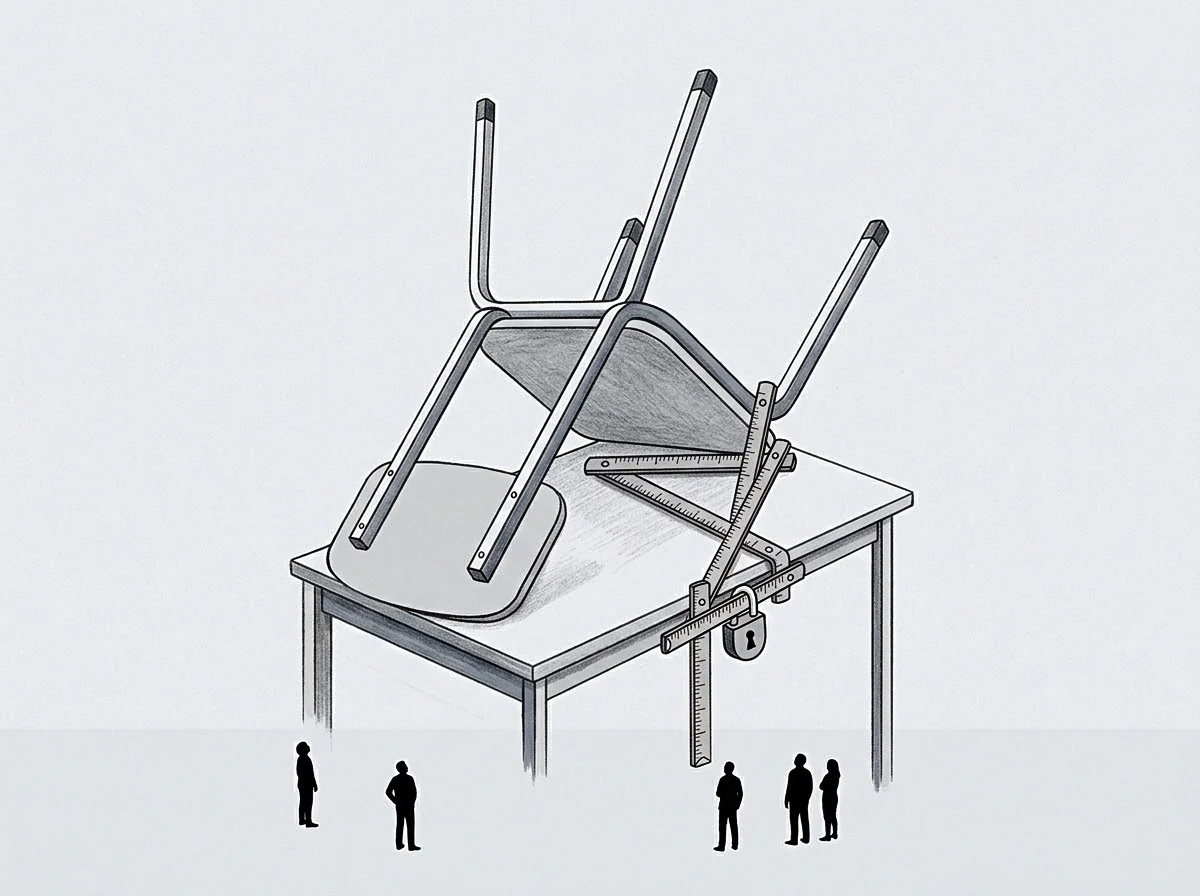
Quantifying Authority Leakage
Measuring authority leakage involves calculating the ratio of formal executive decisions to uncodified operational alterations. High leakage ratios correlate directly with prolonged succession friction and executive turnover. Data reveals hidden authority.
The operational handover process follows a strict diagnostic sequence to locate and neutralize legacy intervention paths.
- Baseline Communication Auditing maps historical message density between legacy leaders and functional department managers to identify unrecorded consultation habits.
- Variance Detection Mapping isolates software repository changes, expenditure approvals, and hiring authorizations that lack formal chief executive signature tags.
- Shadow Channel Remediation re-routes operational sign-offs into explicit corporate management software while removing legacy accounts from active decision loops.
When an organization implements explicit tacit authority telemetry, unrecorded executive interventions drop by over sixty percent within ninety days. Stating explicit operational limit clauses inside executive transition agreements converts implicit expectations into enforceable governance standards.
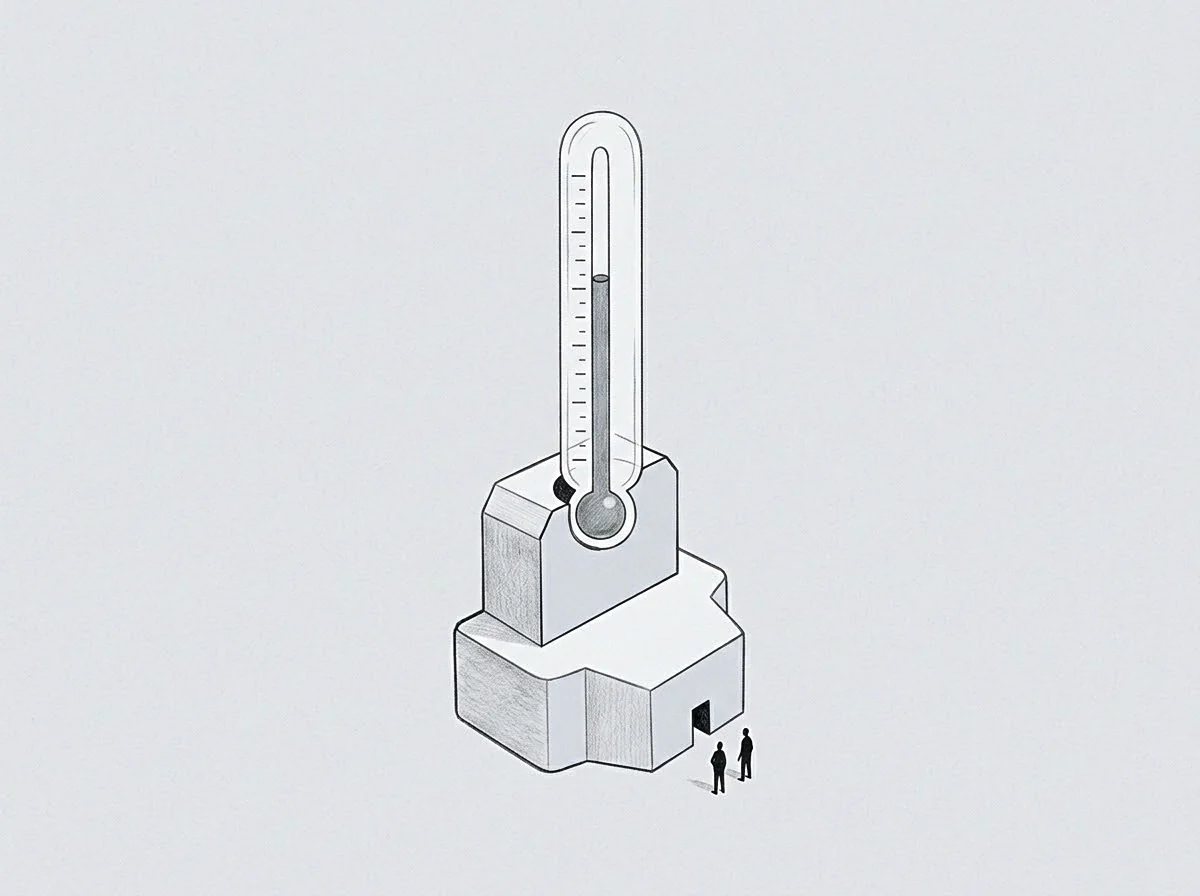
Table
Comparing operational friction points across succession phases reveals how implicit overrides manifest at different structural stages. Early transition periods showcase overt consultation, whereas late stages present subtle, structural resistance to new chief executive mandates. Informal channels persist silently.
| Succession Stage | Override Vector | Measurement Metric | Structural Consequence |
|---|---|---|---|
| Scaffold Phase | Direct verbal counter-orders from legacy leaders | Unrecorded directive count per operational quarter | Executive confusion and split departmental loyalties |
| Grip Phase | Unsanctioned resource reallocation by mid-level managers | Budget deviation ratio without formal CEO sign-off | Capital inefficiency and strategic launch delays |
| Detachment Phase | Passive resistance to new corporate policy directives | Policy implementation latency in functional units | Erosion of successor authority and operational drag |
Structural alignment occurs when operational execution matches the formal org chart across every functional unit.
The former founder routinely remarks that staff continue reaching out for guidance purely out of historic affection rather than any desire to bypass the new leader.
Scaffold
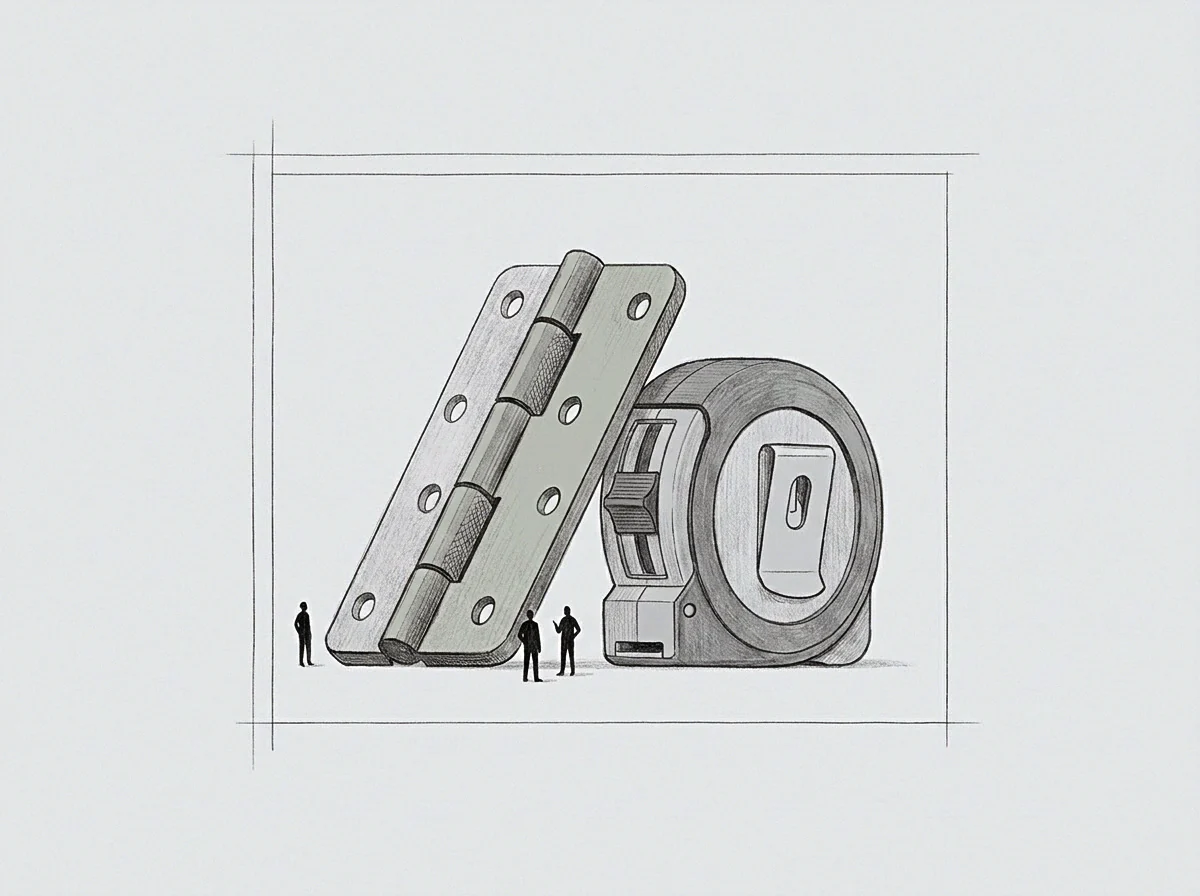
Removing legacy administrative structures demands systematic codification of decision rights. The incoming leader takes full operational command only after explicit authority limits replace unwritten habits. The seat changes hands.
Unwritten habits rule execution.

Systemic Deconstruction of Legacy Approval Chains
Legacy approval chains persist because organizations prioritize immediate operational speed over long-term governance clarity. When a crisis hits, staff default to contacting the founder who built the initial systems. Severing these operational shortcuts demands structural intervention rather than verbal requests.
The board revokes legacy system privileges, redirects strategic reports, and enforces strict sign-off protocols for all capital commitments.

Do Unrecorded Overrides Decay Naturally Over Time?
Unrecorded operational bypasses do not dissipate through passive passage of time. Without active structural intervention, informal override pathways harden into permanent shadow governance structures. The legacy structure resists.
Mid-level operators continue balancing orders from two bosses, selecting whichever directive aligns with their immediate departmental comfort.
- Tacit Sanction Resumption occurs when department directors seek private validation from legacy founders before executing new corporate strategies.
- Emergency Threshold Exploitation happens when operational teams deliberately reclassify routine strategic changes as urgent crises to justify bypassing the formal chief executive approval chain.
- Dual Reporting Recidivism manifests when functional vice presidents prepare secondary financial reports for outgoing leaders alongside official executive board decks.
Governance holds when formal authority structures remain immutable under operational pressure.
A transition plan failing to revoke legacy operational access guarantees perpetual governance interference.
Exit
Final operational detachment requires complete severance of informal reporting loops. The outgoing chief executive vacates operational oversight entirely, allowing the successor to establish undisputed administrative governance. Formal lines bend quickly.
Grip stages create friction. Decoupling demands measured limits.
Sustained measurement of implicit overrides provides the ultimate test of succession efficacy. When operational telemetry confirms zero unrecorded intervention events over consecutive quarters, the organization achieves genuine governance autonomy. Autonomous execution marks the true completion of executive transition.
Governance demands absolute clarity.
What structural indicators determine whether an outgoing founder can remain on the board without triggering implicit operational overrides inside daily management loops?