
Establishing Contractual Engineering Throughput Limits Against Executive Overcommitment In Scaling Organizations
Engineering throughput limits protect technical capacity from executive overcommitment by establishing binding allocations and formal signature authority over intake.

Pact
Commercial promises routinely outpace technical capacity inside companies crossing fifty people. A sales director signs an enterprise delivery schedule with bespoke data isolation clauses during late-stage contract negotiations. Two rooms away, the engineering lead discovers the commitment three weeks later through an automated ticket created by a customer success representative.
The technical team already operates at full allocation across core infrastructure upgrades. This structural collision happens because executive authority routinely functions without a metering interface to the production queue.
The solution requires formal governance defining the boundaries of production. In early operations, informal conversations at a single bench resolve scheduling disputes. Growth dismantles that physical proximity.
When executive roles detach from the daily management of technical systems, executive commitments treat technical throughput as an infinitely elastic reservoir. Engineering throughput remains fixed by system complexity, test latency, and team cognitive capacity.

Allocation Rights and Signature Authority
Formal service agreements between executive management and engineering departments establish legalistic internal boundaries. An operational pact defines the exact percentage of quarterly sprint hours reserved for discretionary enterprise commitments. Under this structure, commercial leadership holds a definitive credit ledger of available implementation hours.
Once those hours deplete, additional sales promises require explicit deferral of existing commitments or formal executive compensation to fund external contractor teams.
A reservation of thirty percent capacity for bespoke client features triggers an immediate freeze on enterprise intake the hour those allocated engineering days are booked.
The arrangement shifts commitment authority from unilateral sales signatures to bilateral verification. When the commercial desk proposes a contract penalty tied to a delivery date, the technical director holds explicit veto power over the schedule. This separation protects system reliability while isolating the commercial team from making delivery representations that the physical architecture cannot support.
A contract clause specifying that technical schedules become binding only upon written verification from system operations alters the legal liability of the enterprise.

Load
Uncontrolled intake distorts production metrics through invisible context switching. When commercial leadership inserts emergency commitments into an active development cycle, the measurable throughput of the entire group collapses. Research in queueing theory demonstrates that system utilization above eighty-five percent causes queue lengths and wait times to escalate exponentially.
Executive intervention treats work intake as a direct addition, ignoring the exponential drag generated by task interruption.
Every undocumented promise forces an engineer to step outside active feature architecture to construct temporary patches. The technician seat experiences this interruption as continuous context loss. The manager seat absorbs the variance by redrafting sprint boards that lose credibility with the floor.
The executive seat observes lagging progress reports and concludes that developer productivity has degraded, responding with greater schedule pressure.
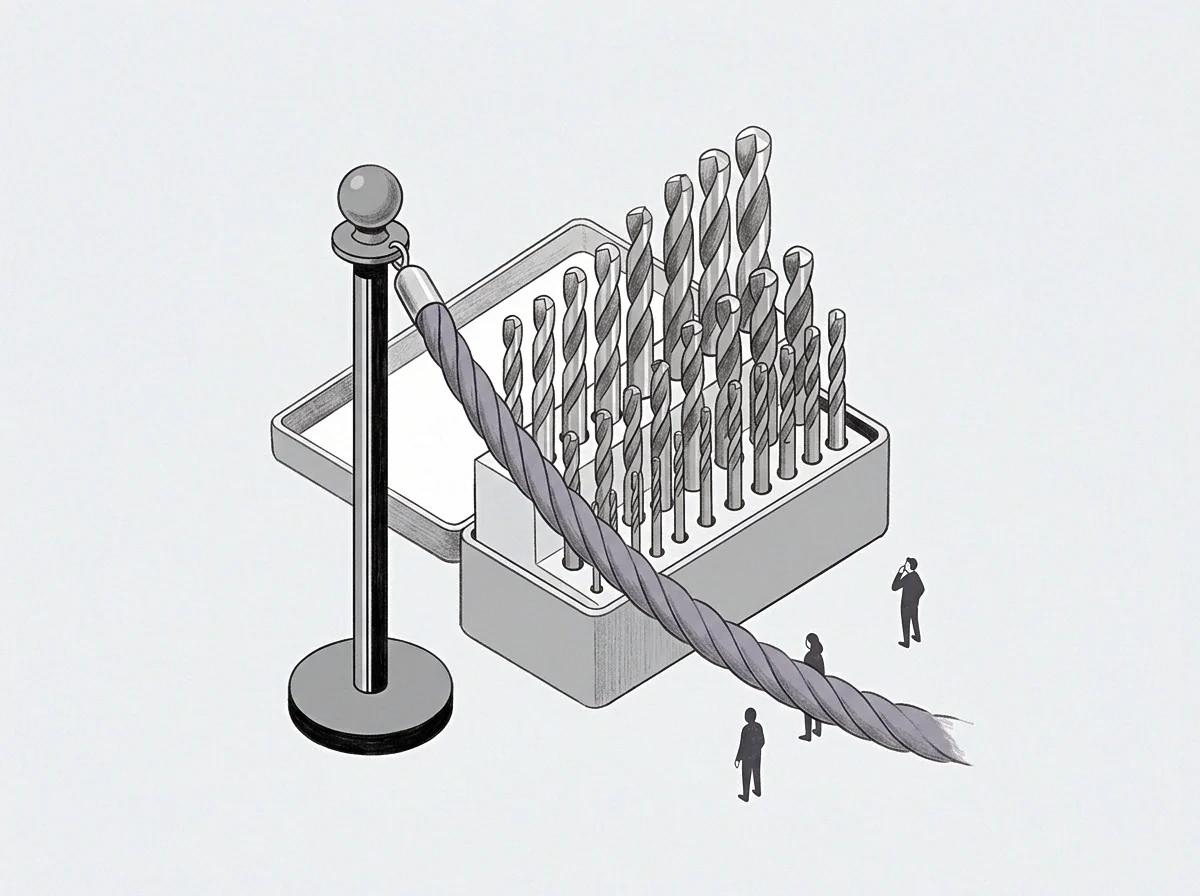
Throughput Metrics Across Commercial and Operational Seats
| Intake Model | Commercial Freedom | Quarterly Throughput Predictability | Context Switching Overhead |
|---|---|---|---|
| Uncapped Executive Discretion | Unrestricted schedule commitments | Under forty percent completion rate | Exceeds thirty-five percent of engineer hours |
| Quota-Bounded Service Pact | Restricted to explicit credit pool | Eighty to ninety percent completion rate | Maintained below ten percent of engineer hours |
| Strict Ring-Fenced Intake Queue | Fixed sprint intake cadence | Above ninety percent completion rate | Negligible disruption to primary streams |
Capacity limits force commercial teams to price the technical reality of their proposals. Under an uncapped intake model, sales incentives reward closing high-touch deals regardless of operational cost. The technical debt incurred by rapid enterprise delivery is pushed onto future product quarters.
A formal quota system obliges executive leadership to prioritize deals by gross profit per engineering hour consumed.
The enterprise customer demands custom single-tenant orchestration before the end of the second fiscal quarter or the agreement dissolves.

Wall
System stability demands structural barriers that reject excess input automatically. In physical manufacturing, an assembly line halts mechanically when input volume exceeds station processing capacity. Software organizations lack this tangible resistance, allowing executive layers to stack obligations onto backlog queues without immediate tactile pushback.
Establishing a firm intake barrier creates the necessary organizational resistance.
A rigorous throughput limit functions as an organizational work-in-progress cap. By fixing the total count of active initiatives across the engineering department, new executive requests must wait for the formal completion and deployment of a prior project. This mechanism eliminates the corporate illusion that ten simultaneous strategic priorities can proceed concurrently without degradation.
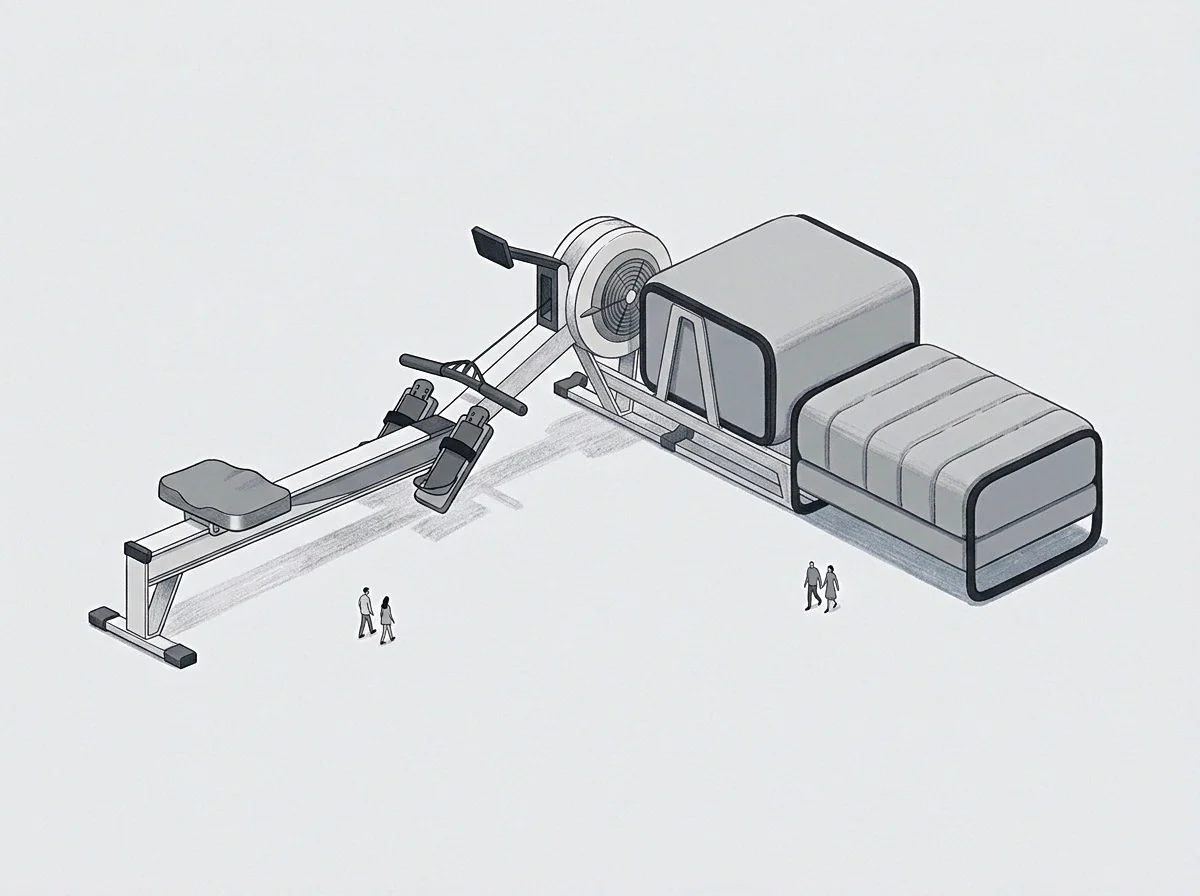
Intake Governance Protocols
- Hard WIP Ceilings enforce a strict limit on active cross-functional initiatives across all product squads. New commercial requests remain in an unstaffed backlog state until an operational squad marks an existing initiative as deployed.
- Throughput Valuation Ratios assign a transparent engineering point value to incoming commercial client specifications. Sales leadership directly allocates an annual allowance of points rather than disputing sprint task estimates.
- Formal Breach Penalties mandate that executive preemption of planned engineering cycles transfers a set budget to contract infrastructure retainers. Unplanned priority changes immediately trigger fiscal consequences for the requesting executive unit.
Executive commitments stay balanced when incoming requests draw from a finite ledger rather than an unmonitored backchannel.
When the operational ceiling holds, system throughput stabilizes around predictable cycle durations. Engineers focus on completing open architecture tickets rather than fragmenting attention across speculative commercial requests. The technical floor regains its operational schedule.
Stable queues produce reliable delivery dates.

Yield
Persistent executive overcommitment damages organizational retention and architectural integrity. When leaders repeatedly bypass throughput boundaries, the best technical contributors depart first. High-performing engineers refuse to operate in environments where architectural standards collapse under erratic commercial promises.
The departure of senior technical staff reduces baseline capacity, amplifying the shortfall for remaining staff.
Technical architecture suffers severe degradation under chronic schedule compression. Teams forced to meet unrealistic delivery deadlines bypass automated testing, omit documentation, and commit suboptimal structural compromises into the codebase. Over successive quarters, the accumulation of structural debt inflates routine maintenance costs, diminishing the hours available for new feature development.

Whose Signature Commits the Engineering Queue?
Resolution requires defining distinct legal and operational ownership over the release pipeline. Corporate charters in mature technical organizations vest final release authority in the engineering lead rather than commercial sales directors. This separation ensures that contractual performance warranties cannot be executed without operational certification of capacity.
A contract term obliging operational validation before customer signing eliminates schedule disputes before capital changes hands.
Unchecked commitment cycles ultimately force scaling firms into costly remediation phases where all forward feature delivery stops for multiple quarters while teams rebuild destabilized infrastructure.
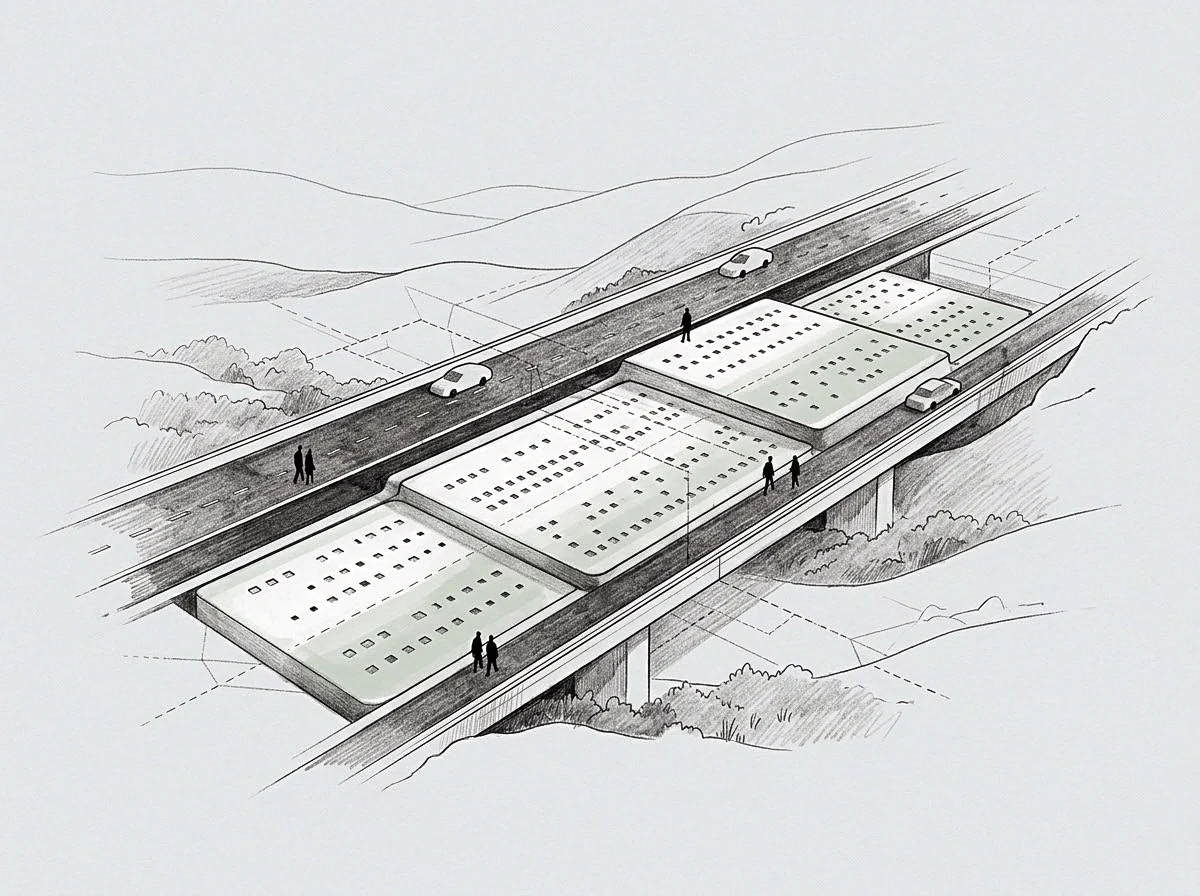
Lock
Sustaining throughput limits depends on embedding boundary controls directly into enterprise governance documents. Informal understandings crumble during critical revenue periods. Enduring organizations protect their operational capacity through board-approved delegation of authority policies.
These policies state clearly that delivery commitments exceeding established throughput baselines constitute ultra vires acts by commercial executives.
When engineering capacity is codified as a finite capital resource, leadership views overcommitment as a form of unbudgeted expenditure. The board of directors monitors capacity debt with the same diligence applied to cash burn. Operational dashboards translate sprint capacity into measurable asset utilization, stripping emotional rhetoric from executive planning sessions.

Contractual Interface Safeguards
The implementation of binding operational parameters creates an equilibrium between business expansion and infrastructural durability. Companies that scale successfully maintain strict boundary separation between the sales desk and the technical engine. The engineering schedule remains an immutable physical reality rather than a negotiating chip in commercial transactions.
What institutional recourse remains when executive compensation incentives inherently reward breaching the operational pact during critical funding windows?