
Governance Telemetry and Boundary Contracts For Transitioning Technical Founders Out Of Execution
Governance telemetry and boundary contracts transition technical founders by replacing direct code access with verifiable metrics and formal operational limits.

Gauge
At midnight, a pull request notification breaks the quiet of an executive workstation. The pull request contains a fundamental refactoring of the core database schema, submitted by a staff engineer and approved by the new VP of Engineering. The person reviewing the diff is no longer the Chief Technology Officer.
Three months prior, a corporate restructuring moved this technical creator into a non-executive board seat dedicated to long-term technology oversight. The urge to leave inline comments, refactor the underlying query syntax, and delay deployment remains immediate. Opening the repository editor to alter code directly bypasses the formal engineering organization.
The system logs capture a quiet intervention: an executive board member committing changes directly to production main branches without operational approval. The engineering log tells the truth.
Transitioning out of technical execution requires objective instrumentation rather than verbal agreements. Governance telemetry establishes observable data points that monitor organizational health without requiring direct inspection of daily work. Operational telemetry measures pull request volume, queue depth, deployment frequency, and test coverage.
Governance telemetry measures structural boundary integrity: the frequency of board-level interventions in production, the percentage of architectural decisions escalated outside the engineering chain, and the proportion of unbudgeted technical debts approved without executive consensus.

Observability of Operational Authority
Technical creators often confuse oversight with execution because code repositories offer equal technical access to all account holders. When permission structures remain unmanaged after a leadership transition, informal authority persists. Engineers continue routing complex architectural questions to the creator, bypassing the hired management layer.
Telemetry metrics expose these invisible communication channels. Tracking issue assignments, commit author distributions, and architectural review request targets reveals where real decision authority rests.
Tacit authority breaks formal reporting structures. System indicators demonstrate that when a former operator reviews more than five percent of operational pull requests, the hired engineering leader loses organizational standing. The engineering team senses dual reporting lines, resulting in delayed decisions and split priorities.
Direct code commits by non-executing board members correlate with silent operational authority and unassigned engineering accountability.
Establishing clear quantitative indicators creates a visible barrier between board oversight and daily system building. Board governance demands verifiable metrics. Tracking specific repository actions provides objective evidence of whether a transition is succeeding or failing.
Whether automated repository telemetry can distinguish between helpful domain mentoring and unauthorized structural control remains an unmeasured boundary in board governance.

Draft
Formal instruments protect organizational transitions from baseline ambiguity. A boundary contract translates abstract leadership agreements into explicit operating conditions. Standard employment agreements define broad executive duties, yet they rarely detail repository permissions, deployment veto rights, or incident management escalation limits.
A boundary contract fills this void by explicitly documenting what a non-executing technical leader may monitor, audit, or approve.

Architectural Decision Thresholds
Disputes emerge when architectural choices impact financial capacity or system stability. A properly constructed contract categorizes decisions by impact tiers rather than functional domains. Operational authority requires clear contracts.
Low-tier decisions, such as routine library upgrades and internal service refactoring, reside entirely within the engineering team. High-tier decisions, including core cloud infrastructure migrations or changes to data residency protocols, trigger formal governance review protocols.
The repository reveals hidden execution. Unwritten terms generate friction. Defining clear metric thresholds prevents informal interventions while keeping essential board governance intact.
| Decision Domain | Execution Seat Authority | Governance Boundary Trigger | Telemetry Indicator |
|---|---|---|---|
| Production Code Commits | VP of Engineering holds sole approval power. | Direct commit by board member triggers formal audit. | Commit author tracking via version control logs. |
| Infrastructure Expenses | Management approves within annual budget limits. | Expenditure variations exceeding fifteen percent require board review. | Monthly cloud provider billing telemetry. |
| System Architecture Changes | Engineering team implements within design patterns. | Data model breaks or API deprecations require written review. | Architecture Decision Record (ADR) submissions. |
| Emergency Incident Control | Incident Commander controls active outages. | Intervention by founder requires post-incident board report. | Incident management access logs and role tagging. |

Contractual Reservation of Authority
A complete contract explicitly enumerates reserved rights while delegating daily operations. The agreement outlines specific audit rights, specifying that board oversight occurs through scheduled quarterly reviews and standardized architectural performance dashboards. Immediate technical intervention remains restricted to declared corporate emergencies, defined legally as prolonged system unavailability exceeding contractual commitments.
A written boundary contract that omits repository access terms leaves executive intervention unpriced and continuous.
Documenting these limits converts emotional governance friction into explicit contractual conditions. When boundaries are defined in advance, operational transitions proceed based on documented protocol rather than individual temperament.
Written agreements clarify operational limits faster than verbal consensus.
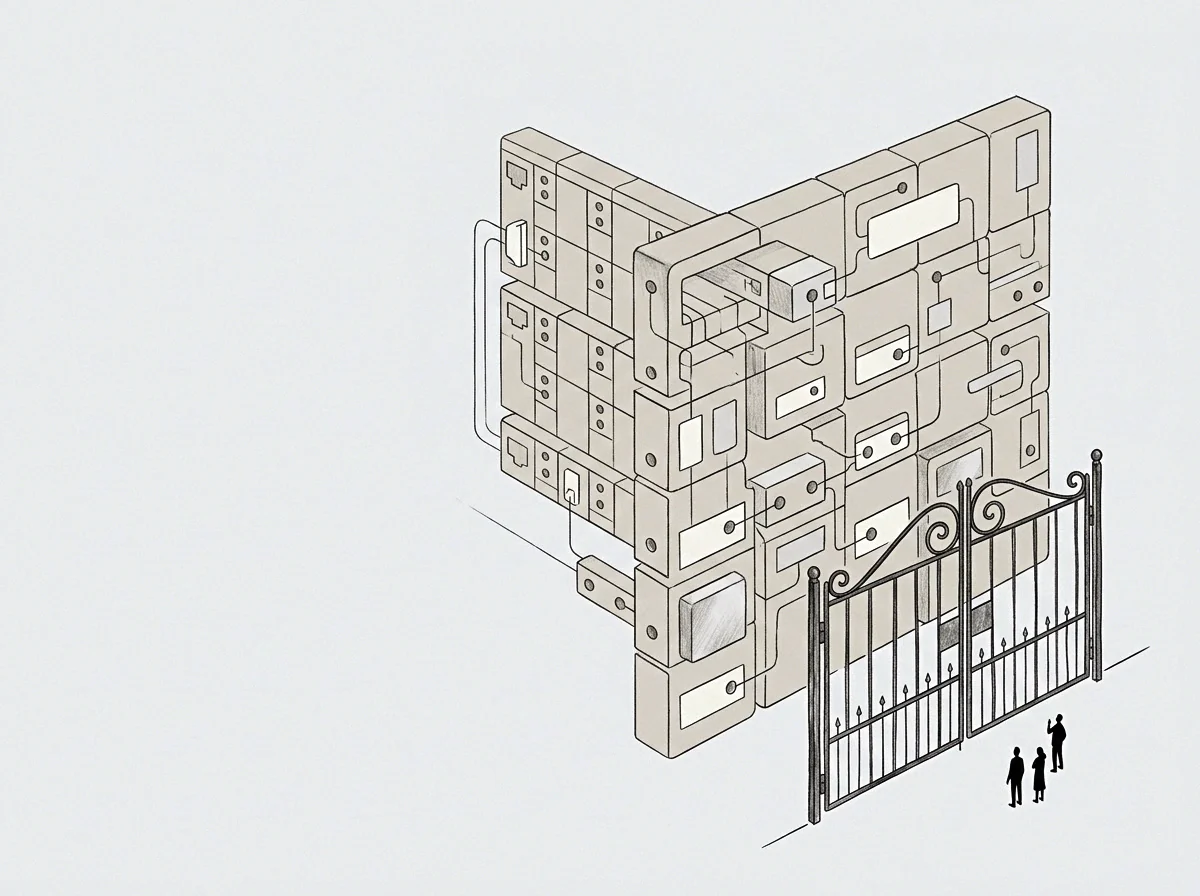
Gate
Take two co-founders where one built the core cloud infrastructure over four years, holds thirty percent company equity, and transitions into a board seat while hiring an incoming Vice President of Engineering on a six-month timeline. The primary challenge involves preventing old operational habits from breaking the new organizational hierarchy. Without clear functional boundaries, the founder continues attending daily engineering standups, reviewing pull requests, and providing verbal directions to junior software engineers.

Why Does Technical Handover Fail Without Boundary Contracts?
Handover protocols fail when informal communications bypass explicit corporate agreements. In this scenario, the incoming VP of Engineering attempts to reorganize the software release pipeline to improve deployment speed. The technical founder believes the proposed changes introduce system risk and verbally instructs the infrastructure team to reject the VP’s deployment plan.
The infrastructure team obeys the founder due to historical loyalty and equity standing. Informal reviews undermine incoming executives. The VP of Engineering discovers the overridden command during a failed deployment review, exposing a complete failure of operational boundaries.
Reversing this dynamic requires structured operational gates that control executive access across the transition period.
- Silent Intervention occurs when the technical creator reviews pull requests outside defined governance reviews.
- Bypassed Escalation happens as senior software engineers route architectural disputes directly to the board member rather than the engineering manager.
- Role Ambiguity develops when the software engineering team treats informal governance advice as binding operational mandates.
Resolving structural conflicts requires enforceability. When the transition timeline relies on verbal agreements, technical creators consistently re-enter daily operations during technical disruptions. Establishing contractual boundary gates ensures that operational authority passes completely to the new leadership team.
Intervention during system outages resets the transition timeline and restores the technical founder to informal operational control.
When boundary gates are breached, the incoming manager relinquishes operational responsibility while retaining nominal accountability for system reliability.

Helm
Sitting in the governance position demands a distinct operational posture compared to sitting in the technical execution seat. The execution seat manages daily sprint allocations, pull request reviews, deployment schedules, and developer performance evaluations. The governance seat evaluates capital allocation efficiency, long-term technical risk, regulatory compliance, and strategic market positioning.
Mixing these positions creates severe organizational strain and dilutes focus.

Decomposition of Executive Positions
Decomposing leadership roles separates operational tasks from corporate governance functions. A single person attempting to occupy both positions simultaneously experiences role conflict, as daily operational emergencies displace strategic oversight duties. Switching seats incurs continuous friction.
Clear decomposition establishes distinct schedules, communication channels, and performance metrics for each seat.
- The board seat evaluates capital efficiency and high-level architectural risk twice per quarter.
- The technical execution seat manages daily sprint allocation and deployment approvals continuously.
- The boundary contract establishes explicit metrics for when governance oversight converts into formal audit.

Structural Isolation of the Technical Director
Isolating the governance seat requires removing operational administration from the technical creator’s calendar. Access privileges to operational software tools, including repository management consoles, internal messaging deployment channels, and continuous integration servers, convert to read-only status. Communications shift from real-time messaging to formal written memos and quarterly board presentations.
Board seats governance functions cleanly when system telemetry replaces informal founder observation.
Removing operational tooling prevents impulse interventions and forces board members to communicate through official leadership channels. Undocumented override rights destroy trust. Explicit terms protect operational autonomy.
Architectural decisions belong to the engineering organization once operational authority passes across the established boundary contract.
Load
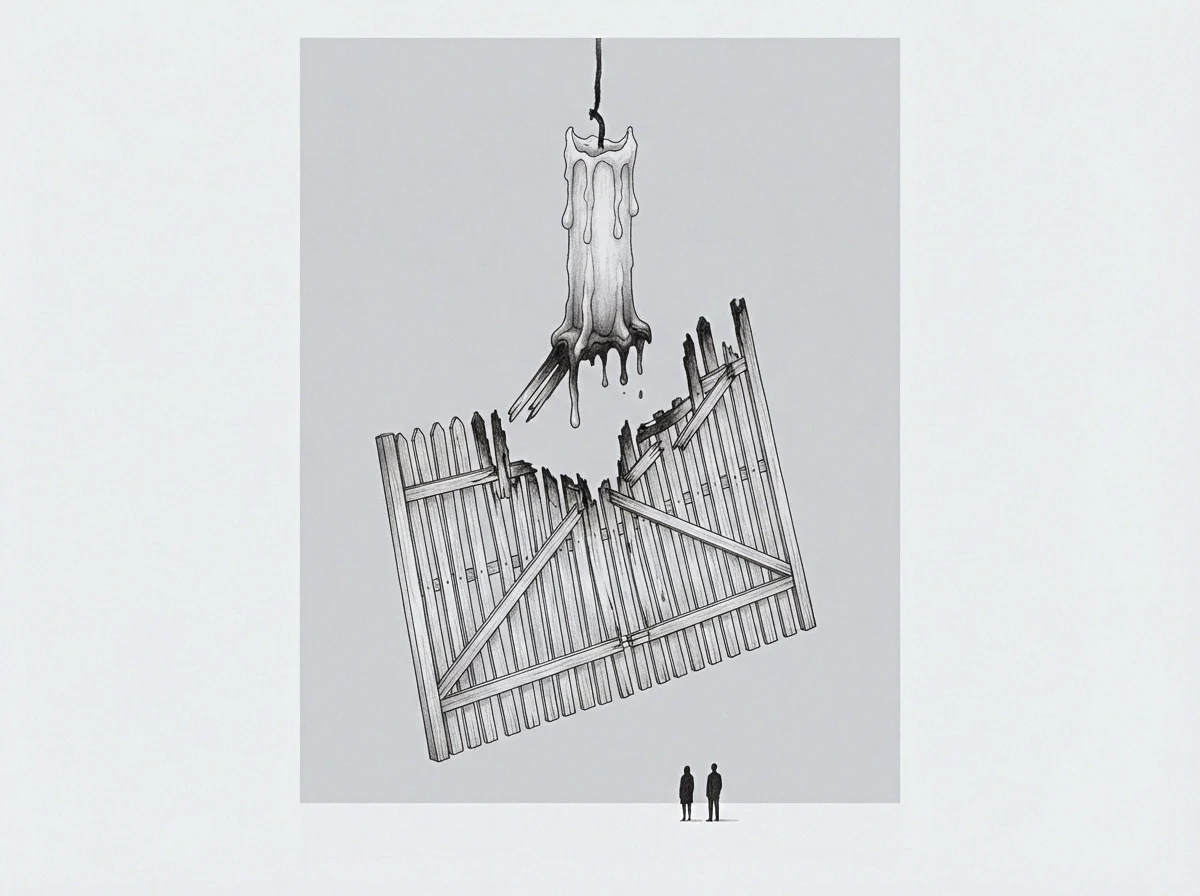
Carrying tacit organizational knowledge while stepping away from execution creates significant allostatic load. Technical creators store years of unwritten system context, emergency protocols, and architectural trade-offs in their personal memories. When execution authority transfers to new leadership, the creator experiences psychological anxiety watching new operators make predictable technical mistakes.
Unpriced labor creates covert obligations. System architecture reflects boundary definitions.
Tacit knowledge requires structured handover. Pricing tacit work involves converting personal memory into documented engineering standards, architectural decision records, and operational runbooks. This documentation process demands significant time and energy, competing directly with board-level oversight responsibilities.
If the transition contract fails to allocate dedicated paid hours for explicit knowledge transfer, the creator performs this work covertly during non-working hours. Tacit work remains invisible until unpriced obligations exhaust the person performing them.
The total capacity required to maintain dual roles rapidly exceeds sustainable human energy limits. Switching between high-level capital strategy and micro-level code reviews taxes cognitive flexibility, leading to decision fatigue and eventual burnout. Establishing strict boundary contracts limits overall time commitments, preserving creator energy for long-term strategic direction while leaving operational engineering entirely to the management team.
A explicit governance clause granting emergency intervention rights only upon formal board authorization converts informal technical meddling into an auditable corporate event.