
Maintaining Long Term Technical Architecture Intuition Without Active Production Codebase Commit Access
Technical intuition survives commit detachment by reading telemetry boundaries, incident forensics, and contract migrations instead of compiler diagnostics.
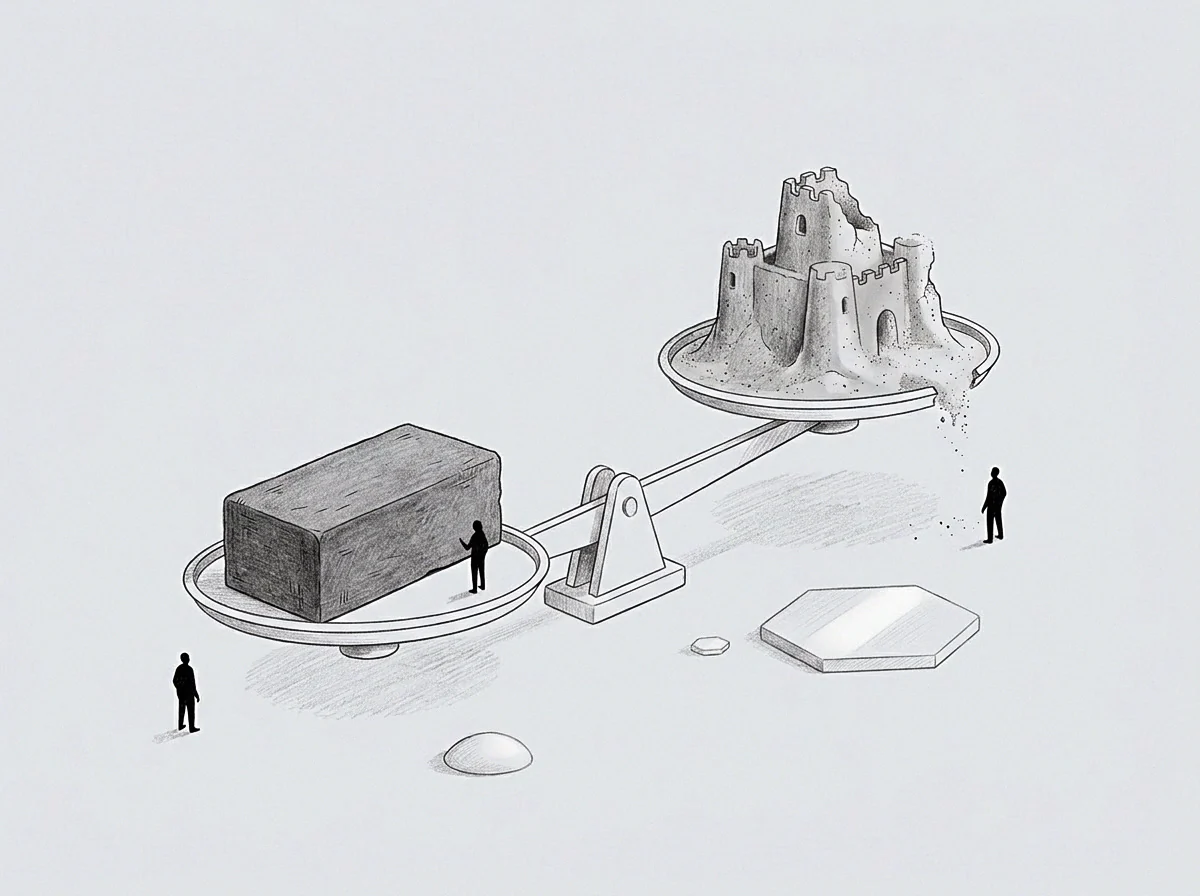
Severance
The revocation of repository write access strips away the immediate physical sensor of software construction. For years, the compiler and the local test runner reported whether a structural assumption held. A typing mistake brought immediate feedback, a broken interface halted the build, and the memory footprint of an allocation showed up directly in profiling tools.
When operational growth or leadership obligations pull an architect out of the active technician seat, that feedback loop goes silent. The terminal stays dark.
Architectural intuition detaches from mechanical sympathy when an engineer no longer observes the micro-friction of daily implementation. This detachment develops quietly. The person continues attending technical reviews, reading pull request descriptions, and drawing block diagrams with clean arrows.
Yet the actual behavior of runtime systems diverges from conceptual abstractions. Frameworks change their default threading models, database drivers introduce connection pool contention, and serialization overhead creeps into inter-service boundaries. Intuition built purely on memory becomes an inaccurate map of contemporary execution costs.
Systemic intuition decays when an architect evaluates proposals against the performance characteristics of runtime environments that no longer exist in production.
Surrendering the technician seat presents a defined operational hazard. The individual retains the title and authority of architectural direction while shedding the daily empirical test that kept their assumptions grounded. They drift toward speculative topology.
They approve designs that look balanced on whiteboards yet impose crippling operational friction on the engineering teams charged with building them. The gap between theoretical elegance and operational reality widens with each passing quarter.
Technical leadership without commit access demands an explicit transition from tactile implementation to diagnostic surveillance. Direct manipulation gives way to systemic measurement. The work shifts from authoring code to interrogating the observable artifacts that running code produces.
Persisting in the habit of mentally simulating execution paths without verifying modern system traits breeds misplaced architectural confidence.
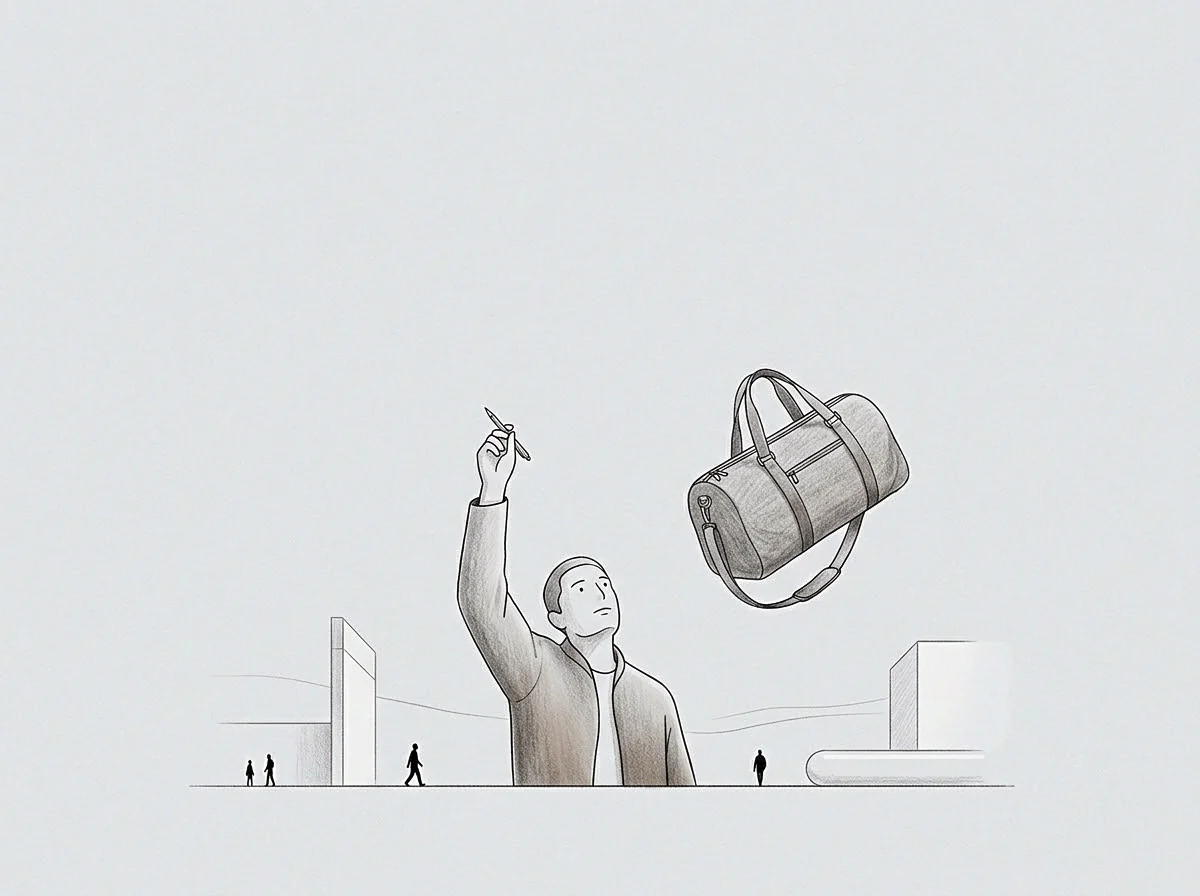
Sensor
Replacing compiler diagnostics requires intentional instrumentation. When an architect no longer reads source code line by line, distributed telemetry becomes the primary operational sensor. High-cardinality distributed tracing displays the exact latency cost of network serialization, connection acquisition, and cascading service calls.
Telemetry aggregates real events. These traces expose whether a proposed boundary simplification actually reduced operational friction or merely hid synchronous blocking behind an asynchronous messaging bus.
Inspection replaces generation. The architect develops fluency in reading metrics dashboards, distributed traces, and structural log events as primary literature. Instead of guessing how a new caching tier behaves under load, the architect inspects p99 latency distributions, tail-end error rates, and eviction patterns during traffic spikes.
The concrete behavior of the production boundary replaces the speculative mental model.
Sensors placed at distributed boundaries provide faster architectural validation than manual source code inspection.
The information channels available to an architect without commit access differ markedly from the signals used during active feature development. Understanding the precise cognitive distortions inherent in each observation method allows technical leaders to calibrate their assessments.
| Information Channel | Tactile Feedback Mode | Decoupled Telemetry Mode | Cognitive Distortion Risk |
|---|---|---|---|
| Interface Changes | Compiler failure on contract mismatch | Schema registry alerts and serialization logs | Ignoring silent protocol degradation |
| Resource Allocation | Local profiler heap analysis | Container memory throttling metrics | Abstracting away container noisy neighbors |
| Concurrency Conflicts | Race conditions caught during unit test runs | Database transaction lock-wait counters | Underestimating contention under live traffic |
| Dependency Expansion | Package manager lockfile modifications | Service mesh egress connection topology | Assuming static boundaries remain uncoupled |
Latency spreads across the wire. When evaluating system boundaries from a distance, the architect looks at network egress volumes, query plan regressions, and thread pool starvation counts. These operational signals reveal architectural decay long before an engineering team files an explicit ticket about technical debt.
Observing how data moves across service perimeters provides the empirical anchor that repository access used to deliver.
Systems communicate their health through boundary friction rather than clean abstractions.
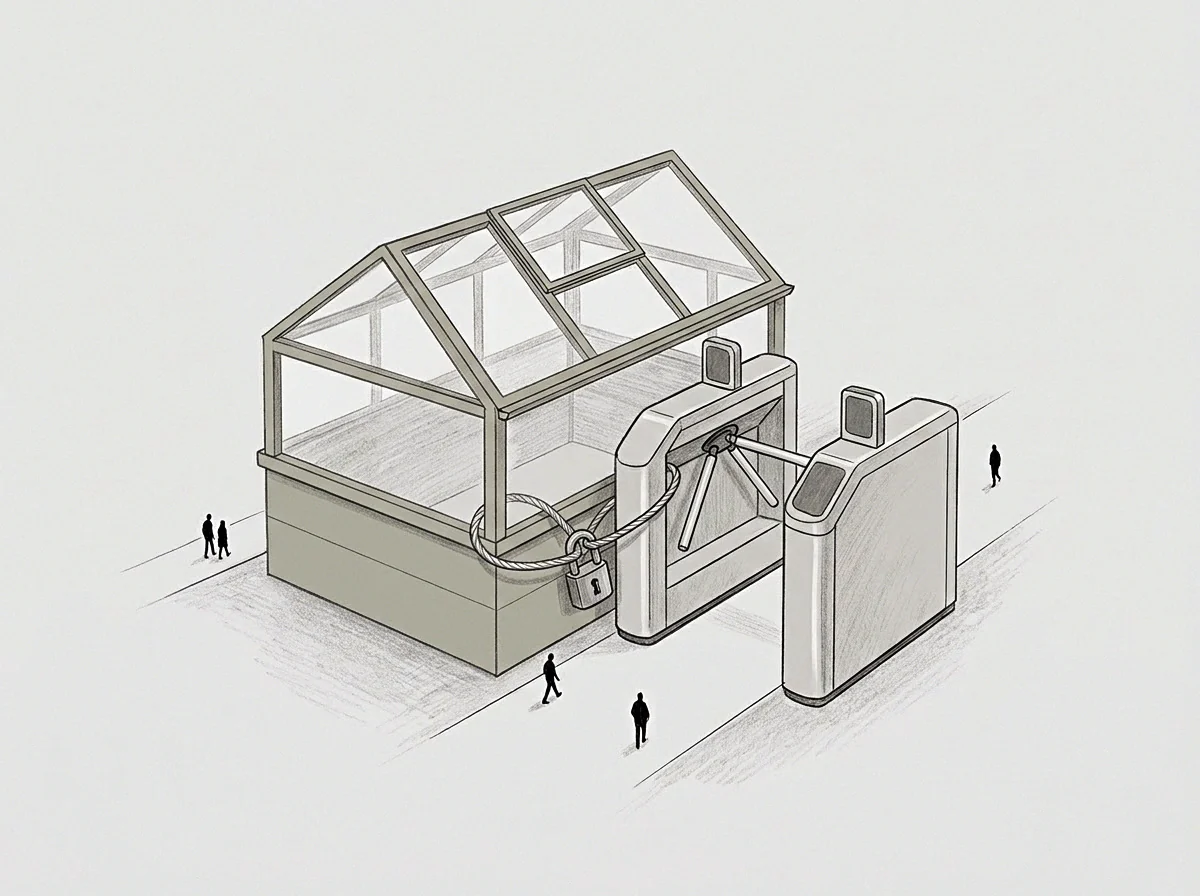
Floor
Production incidents establish the true operational baseline of any technical architecture. The post-incident review serves as the primary classroom for an architect operating without direct implementation duties. When a production platform fails, theoretical designs collide with operational reality.
Memory allocations spike silently. Distributed consensus algorithms encounter partitioned nodes, retry storms overwhelm downstream databases, and circular dependencies lock up restart sequences.
Forensic Examination of Production Failures
Engaging deeply with incident forensics anchors architectural judgment in real constraints. The architect reads incident timelines not to review operator performance, but to evaluate architectural resilience under stress. A careful examination follows an established sequence:
- Initial Trigger Detection evaluates whether monitoring caught the degradation at the boundary or if customers reported the outage first.
- Cascade Path Reconstruction maps the exact route through which a localized resource exhaustion compromised distant platform components.
- Contention Point Identification isolates the shared database table, socket pool, or thread barrier where concurrent requests piled up.
- Recovery Boundary Verification determines whether the platform could restart cleanly without manual intervention or cascading deadlocks.
Each production outage reveals where abstract diagrams concealed unhandled dependencies. State mutations leave records. When an architect studies the telemetry traces captured during a severe brownout, they discover how the system actually behaves under pressure.
This forensic discipline prevents the architect from recommending patterns that have repeatedly collapsed under real-world traffic profiles.
A single major production incident reveals more structural truth than months of uninterrupted roadmap execution.
Observing the operational cost of past decisions tempers the urge to adopt fashionable design paradigms. The architect who reads postmortems knows the exact human and technical price paid when an asynchronous queue hides backpressure failures. Concrete failure modes become the boundaries within which future system designs take shape.
Participation in post-incident analysis requires regular attendance at operational reviews with an explicitly documented obligation to update platform boundary standards.
Treaty
Governance without implementation authority functions through explicit interface treaties. An architect who cannot modify repositories directly must influence system evolution through rigorous design reviews and architectural decision records. These records document the context, alternatives, trade-offs, and consequences of significant structural choices.
They transform private intuition into public institutional memory.
How Often Do Architecture Reviews Mask Real Coupling?
Formal review meetings frequently hide the true interdependencies between systems behind superficially clean interface specifications. Two teams can agree on a shared schema while remaining tightly coupled in deployment schedules, database transactions, or shared cache assumptions. The architect interrogates the operational assumptions underlying proposed integrations rather than approving clean interface definitions at face value.
Review processes fail when they focus on stylistic conventions instead of structural guarantees. A robust review focuses on distinct structural characteristics:
- State Ownership Boundaries determine which specific datastore acts as the authoritative source for each record across the entire platform lifecycle.
- Failure Propagation Containment verifies whether the failure of a remote dependency degrades platform functionality gracefully or halts operations completely.
- Schema Migration Paths outline the exact sequence of non-breaking backward-compatible modifications needed to alter a shared payload format safely.
- Operational Concurrency Budgets allocate maximum connection pools, thread capacities, and query timeouts for every interacting service component.
Protocols survive individual operators. By establishing standard constraints around data access, serialization formats, and communication topologies, the architect guides distributed implementation without dictating internal component code. The teams retain full autonomy within their services while respecting the systemic constraints negotiated at the perimeter.
Clear boundaries create operational freedom within individual services while preserving global system coherence.
The engineering team would state that the review process moves quickly as long as architectural requirements focus on boundary behavior rather than internal implementation choices.
Tenure
Sustaining technical intuition over many years without touching production code demands a deliberate shift in intellectual diet. The architect who leaves the technician seat cannot rely on past victories or outdated heuristics. Technologies evolve, operational paradigms shift, and the economics of compute, storage, and networking change continuously.
A mental model formed five years ago around cloud virtualization costs becomes a liability when container orchestration and edge runtimes alter the fundamental cost equation.
Building long-term architectural intuition requires studying external systems, reading open-source platform postmortems, and building localized prototypes in isolated sandbox environments. Writing throwaway exploration code in a personal environment tests modern libraries, language idioms, and deployment pipelines without interfering with production repositories. The architect verifies mechanical realities on their own terms without burdening product development tracks.
The seat worn by an architect without commit access balances on credibility and clarity. Influence replaces direct executive action. When an architect speaks to an engineering team about query latency, concurrency bottlenecks, or distributed state management, their observations must reflect contemporary operational reality.
If their intuition reflects only the way code was written years earlier, technical teams discount their guidance and design around them in secret.
Maintaining architectural intuition without commit access leaves open the question of how long an architect can guide systemic decisions before their foundational mental models drift too far from the physical reality of contemporary execution environments.