
Managing The Cultural Loss Of Informal Craft When Scaling Formal Operational Control Systems
Scaling operational control systems displaces informal artisan adjustments with rigid metrics, causing unexpected line failures until worker discretion is codified.

Floor
Production runs until three in the morning because the tolerances live in someone’s hands. A machinist sets the arbor angle by sound, hears the bearing chatter before the dial register detects heat, and eases the feed screw two flats to clear the run. The batch passes inspection.
When three new milling stations arrive to triple output, management installs sensor packages and rigid process documentation to govern spindle speed, cycle duration, and tool replacement intervals. The operator on the late shift follows the instruction card to the letter. Scrap rates rise by twelve percent by the end of the second week.
The discrepancy reveals the operational split between informal manual skill and codified execution. When an enterprise operates in its early phase, informal habits absorb physical variability without management intervention. The person running the equipment holds the technician seat, making continuous micro-adjustments that stay off the written log.
Operational scaling replaces this quiet individual adjustment with formal procedural controls designed to make output independent of who occupies the station. The control system records nominal targets, but it strips out the small discretionary dampening actions that kept the process stable.
Informal shop execution absorbs physical variance silently until formal documentation defines those corrections as non-compliant deviation.
Control architectures introduced to eliminate human variance frequently destroy the very compensations that keep the production line running. When standard operating procedures penalize deviation from written metrics, senior workers withdraw discretionary intervention. They watch tools overheat rather than override the feed rate set by an industrial engineer stationed three hundred miles away.
The line produces documented compliance alongside physical scrap.

Loss of Discretionary Compensation
Technicians protect output through private adjustments known only to the workstation. The manager assumes the tool works because the design is sound, while the tool actually works because the operator files the burr off every third casting. Standardizing the sequence without capturing that undocumented manual stroke breaks the line.
The written protocol creates a fiction of complete administrative clarity.
Every operational protocol operates as an incomplete contract with physical reality. Documentation captures observable steps, leaving out the tactile judgments that dictate real yields. When formal surveillance tightens, experienced operators drop their unwritten responsibilities to protect their employment records.
The business buys predictability in procedure while forfeiting predictability in finished product.
The shop supervisor watches the new scrap pile and observes that the plant now operates precisely according to the manual while failing to ship orders.
Rule
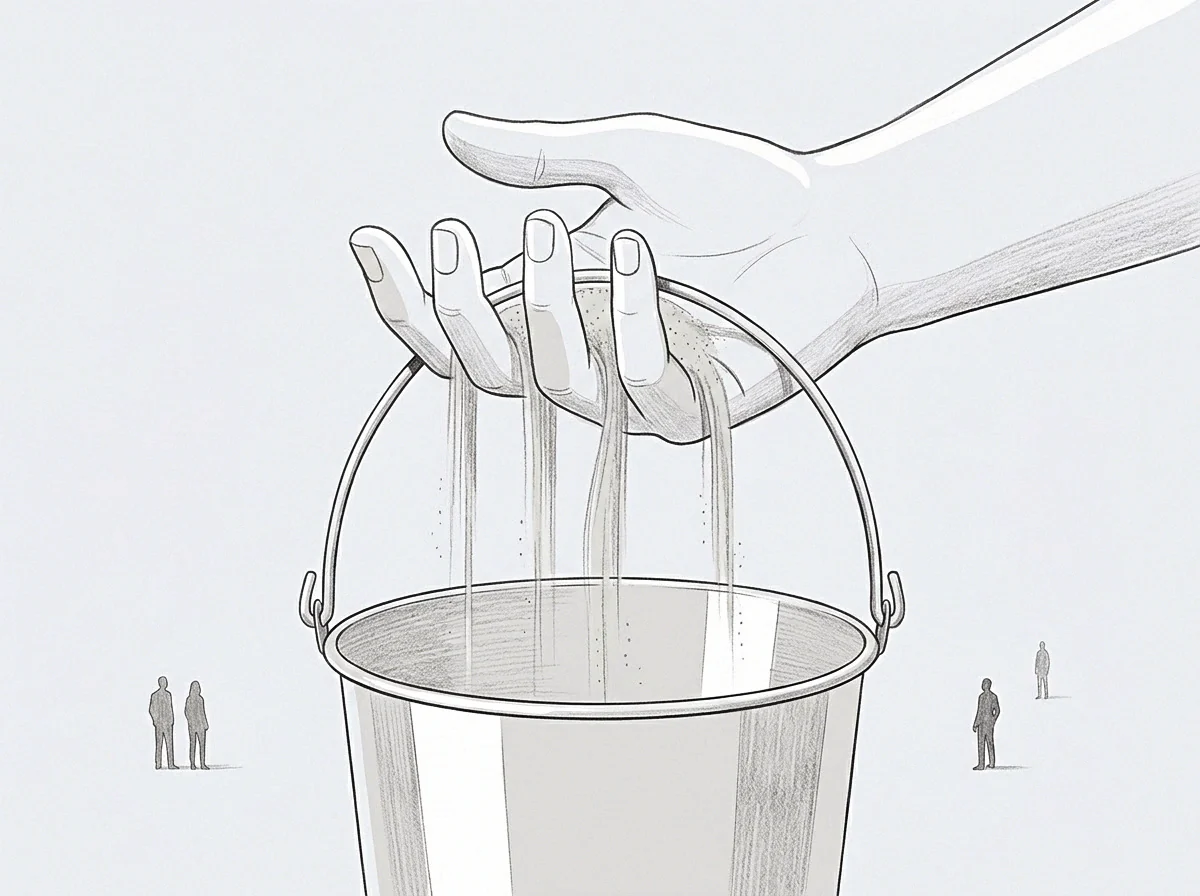
Formal systems govern through standardized parameters, clear boundaries, and explicit verification loops. The conversion of unwritten habit into prescriptive administrative rules alters the psychological contract between the worker and the operating hierarchy. Where individual pride previously centered on product quality, the measurement system now defines excellence as adherence to recorded metrics.
The employee shifts attention from the workpiece to the audit form.
The administrative burden expands rapidly to compensate for the missing manual judgment. When the informal methods disappear, management creates secondary inspection layers to catch the errors those methods previously prevented. The factory floor acquires quality auditors, calibration specialists, and compliance coordinators, adding administrative overhead to work that previously required one experienced eye.
Clear rules shift operational attention from the finished workpiece to the compliance audit sheet.
This organizational transition alters how variance enters the system and how workers respond to process breakdowns. The operational structure changes along distinct systemic lines:
- Target fixation directs line operators to satisfy logged throughput metrics while ignoring surface imperfections that the automated sensors fail to read.
- Skill erosion removes the daily problem-solving reps through which junior operators previously acquired tactile mastery from senior line workers.
- Discretionary retreat prompts veteran staff to withhold corrective actions during line jams to avoid disciplinary inquiries regarding standard operating deviations.
- Verification friction introduces sequential approval delays for minor machine adjustments that previously took forty seconds of direct hand work.

Administrative Replacement of Tacit Skill
Codification assumes that operational execution can be decomposed into discrete, universally teachable steps. This assumption holds for uniform materials, but collapses when raw components exhibit slight physical fluctuations. A veteran technician reads the grain of the steel or the humidity in the clean room, altering speed to match conditions.
An automated routing sheet treats every hour and every ingot as uniform.
The resulting friction produces systemic tension between the production schedule and quality control. Management attempts to cure the deficit with further rules, drafting more detailed work instructions to address edge conditions. The documentation balloons, creating a dense manual that nobody reads during an active line stoppage.
The shop floor becomes brittle.
A process stripped of operator discretion requires continuous oversight to survive its own rules.
Wedge
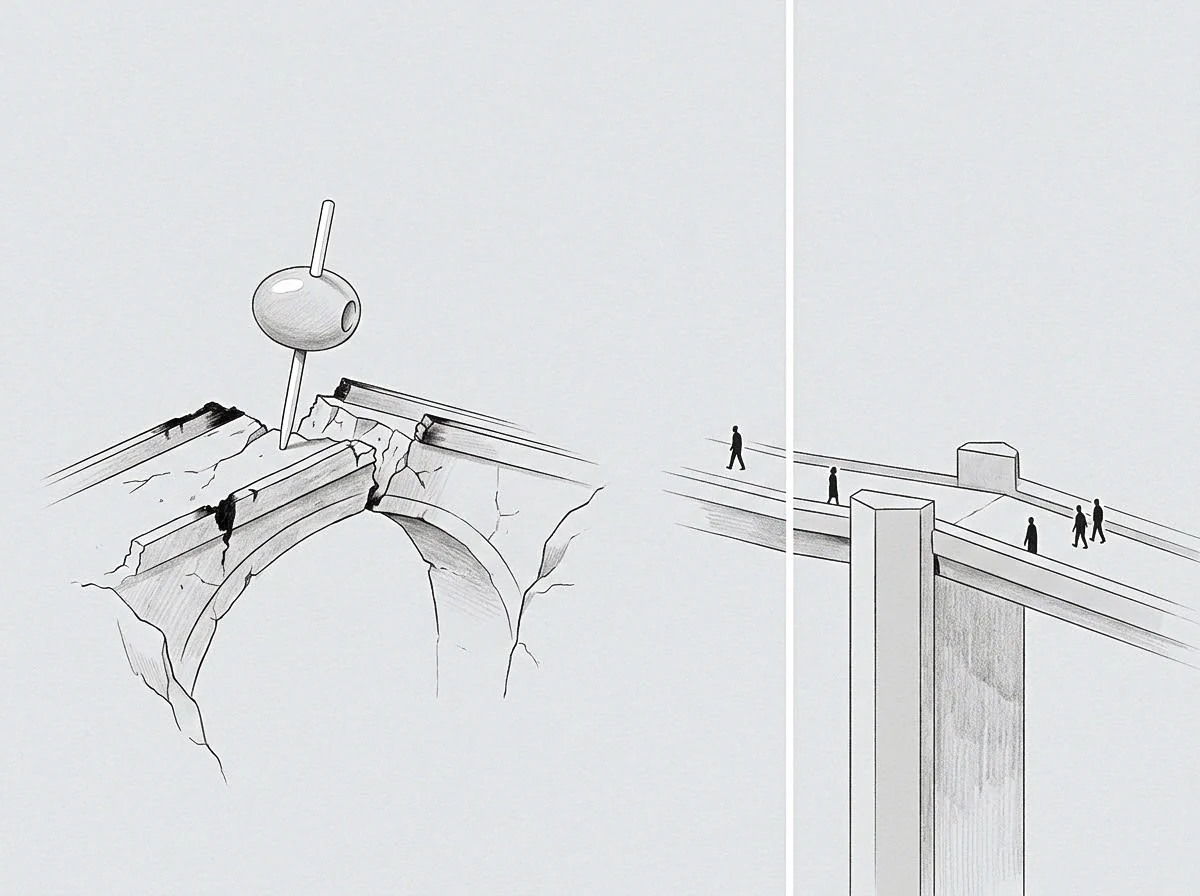
The division between operational control and shop expertise creates structural conflict across supervisory ranks. Plant management demands uniform execution to guarantee forecast reliability for distribution partners. Meanwhile, the shop floor recognizes that rigid control metrics fail during unpredictable material shortages.
The founder, having occupied the technician seat for years, understands why the line needs flexibility, yet the manager seat demands predictable cost accounting.
Role strain emerges as these structural priorities collide. When operational control isolates the worker from the technical outcome, work becomes transactional. The pride of the artisan gives way to the detachment of the machine operator.
The business achieves volume, but loses the rapid internal innovation that generated its initial market reputation.
A production environment that measures only conformity systematically trains its workforce to ignore impending mechanical failures.
Examining the operational properties of informal habit alongside formal control clarifies why attempts to merge them through policy frequently miscarry.
| Operational Dimension | Informal Shop Knowledge | Formal Process Control |
|---|---|---|
| Primary locus of feedback | Sensory contact with the physical workpiece | Digital readouts and scheduled batch audits |
| Handling of material variance | Immediate manual compensation at the workstation | Line stoppage followed by engineering ticket generation |
| Speed of minor tool calibration | Seconds via unrecorded hand adjustments | Hours through formalized supervisory sign-offs |
| Knowledge transfer method | Longitudinal observation and physical apprenticeship | Classroom compliance courses and binder reviews |
| Response to unmapped errors | Rapid situational experimentation by the operator | Procedural paralysis pending administrative revision |
Structural Separation of Execution and Oversight
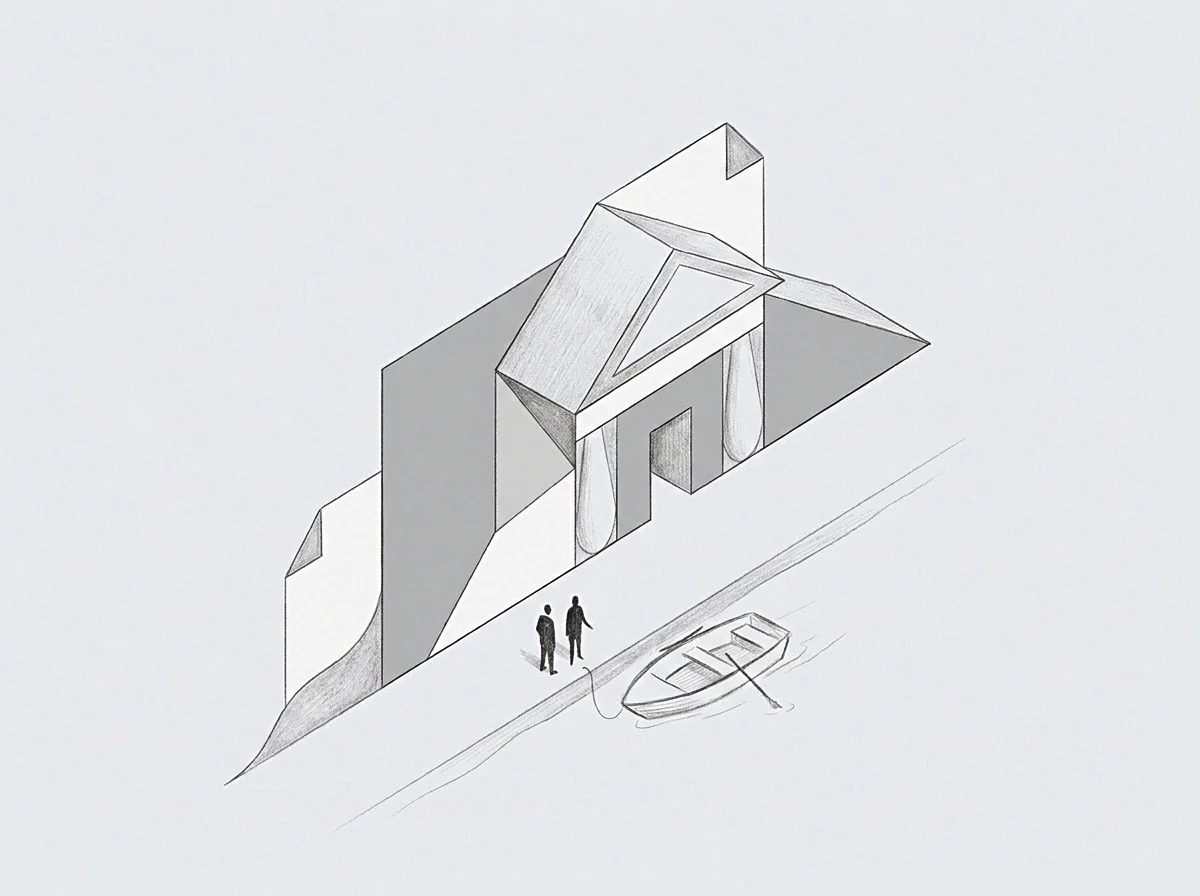
When the industrial engineering department operates away from the physical line, design assumptions drift away from real conditions. The engineer views a process map as an absolute representation of activity. The operator knows the map ignores the bent guide rail on line two.
The engineer interprets line stoppages as operator negligence, while the operator attributes them to executive detachment.
This separation destroys the feedback cycle that permits technical adaptation. In early production configurations, execution and control occupy the same physical mind. The technician sees the burr, alters the tool path, and notes the result instantly.
Splitting these functions creates an administrative latency of days or weeks for adjustments that previously occurred in seconds.
Forcing absolute procedural conformity upon unstandardized physical inputs drives experienced technicians out of the business, leaving behind operators incapable of clearing unmapped exceptions.
Drift
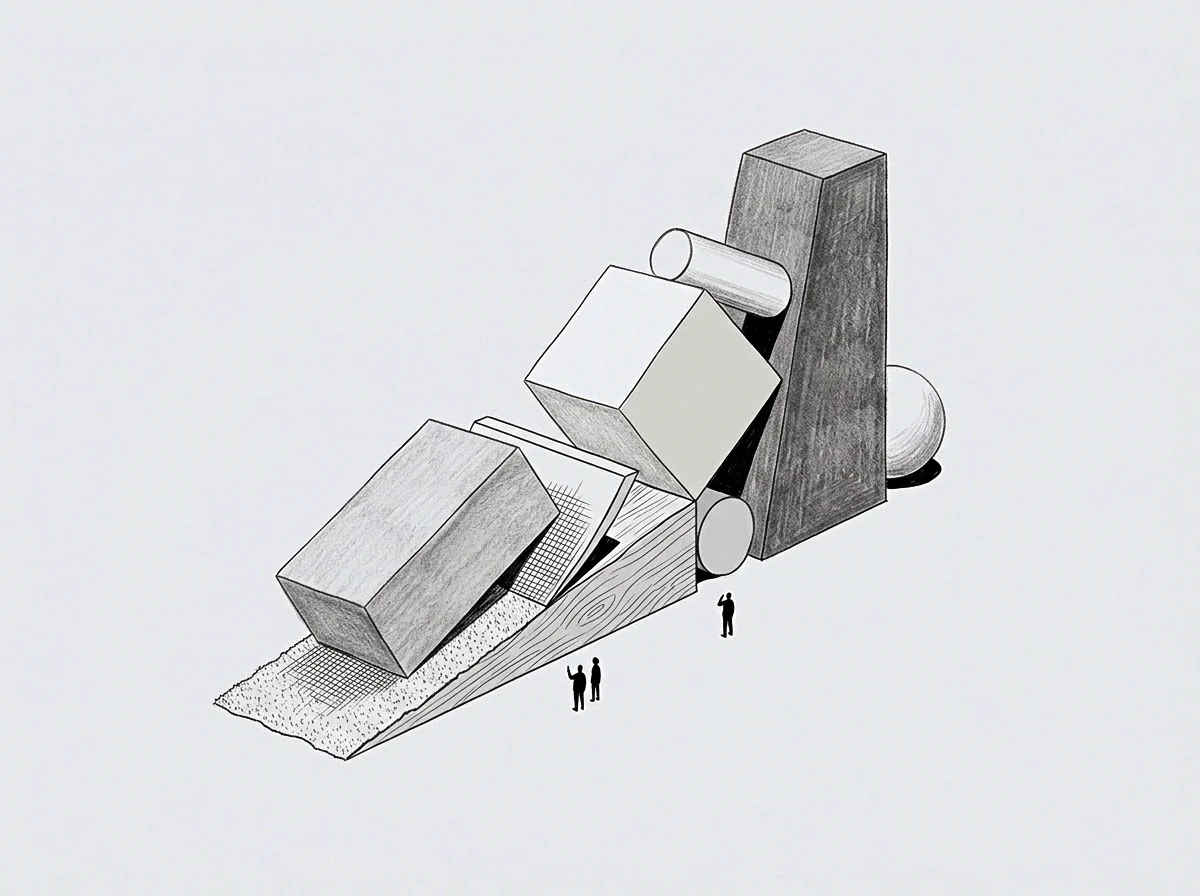
When formal control systems degrade informal shop capabilities, organizations experience operational drift. The enterprise registers high paper compliance while machine efficiency deteriorates through unaddressed physical drag. Early warning signals stay muted because standard metrics are designed to report success against historical baselines rather than spot novel points of failure.
The firm operates with a false sense of administrative control.
Supervisors attempt to fix output shortfalls by imposing tighter surveillance schedules and automated tracking tools. These tools capture machine downtime, yet they cannot record why a machine stops. When line workers realize management uses logging data punitively, they optimize workstation activities to present clean logs rather than resolve underlying tool wear.
The logged figures disconnect from reality.
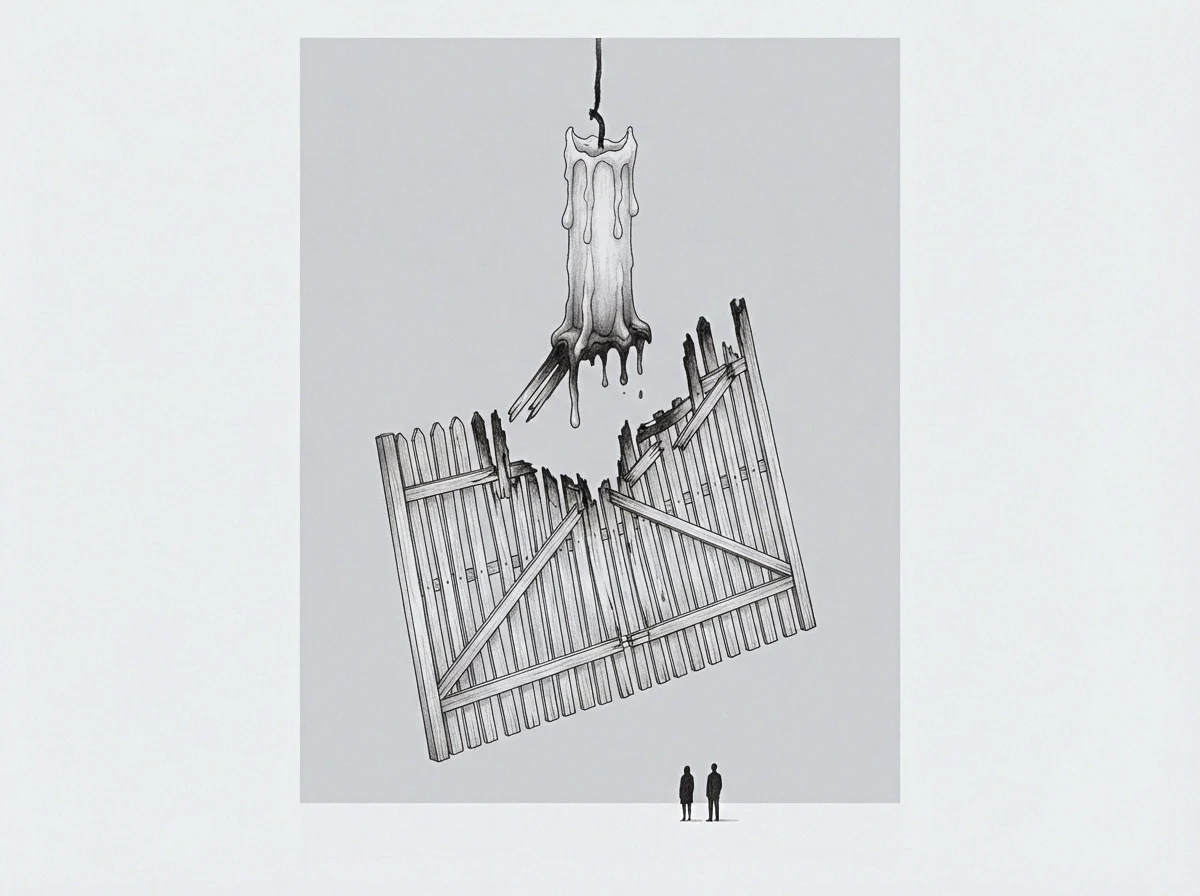
Unmeasured mechanical degradation compounds beneath clean administrative records until a catastrophic failure halts the plant.
Restoring Discretion Within Structured Boundaries
Preserving technical competence during institutional growth requires clear structural separation between nominal safety boundaries and active workstation discretion. Management defines parameters where deviance creates legal or catastrophic hazards, while reserving specific operational envelopes for uncodified operator adjustments. The operator holds autonomy over tool feed within an absolute temperature envelope.
Re-integrating tactile expertise into scalable manufacturing involves specific administrative mechanisms:
- Discretionary bands permit certified line operators to adjust tool parameters up to fifteen percent without engineering sign-off.
- Shadow apprenticeships place novice employees beside veteran operators for six months prior to formal line evaluation.
- Exception logs record unexpected physical compensations as continuous engineering feedback rather than employee performance violations.
The shop thrives when the formal system treats operator judgment as an asset rather than an unmanaged liability. When an operating system contains a stated clause granting line workers the explicit authority to halt production for unmeasured mechanical abnormalities without supervisory reprisal, scrap rates drop within ninety days.
Seal
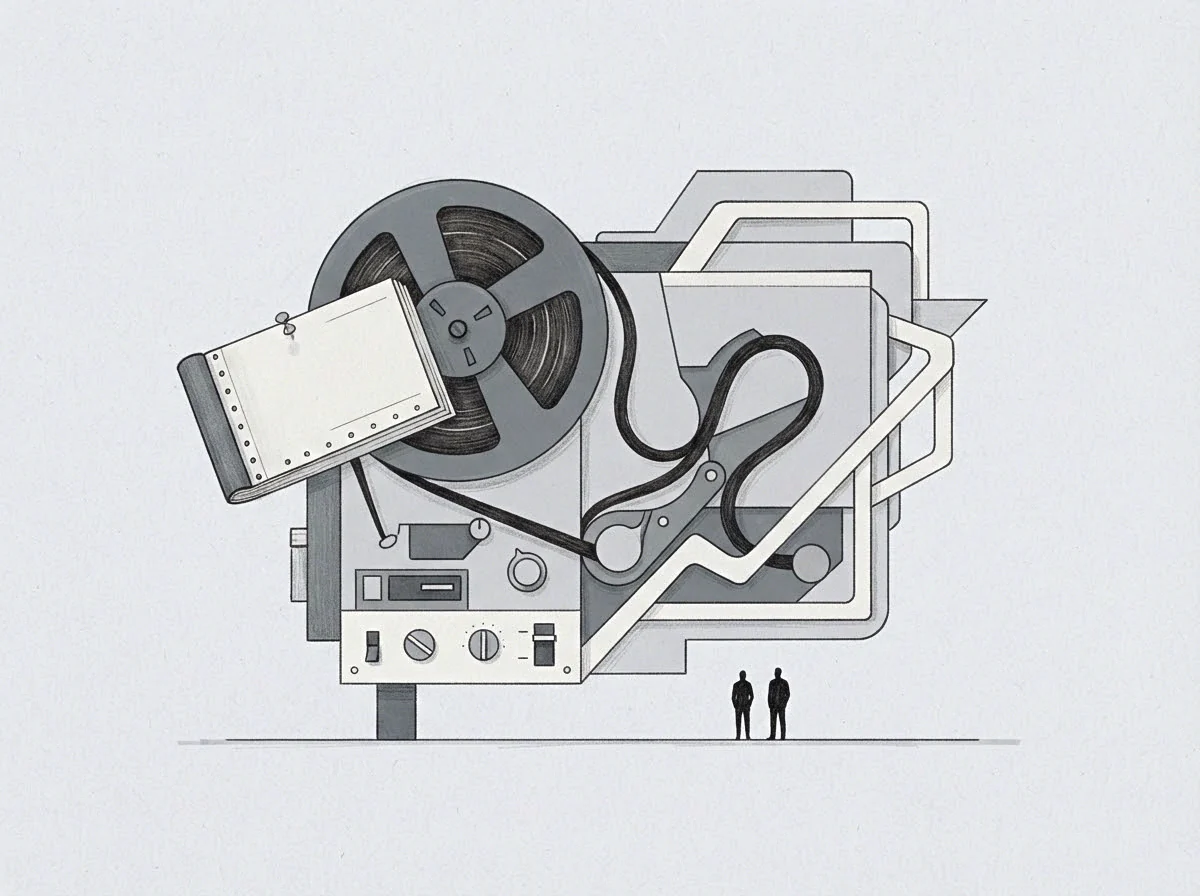
Scaling operational controls while protecting informal craft exposes a fundamental industrial trade-off. Codification delivers horizontal expansion, regulatory defensibility, and predictable investor returns. Uncodified expertise provides resilience, rapid physical adjustment, and distinct product quality.
Balancing both requires accepting that administrative efficiency cannot encompass the complete reality of manual work.
Executives frequently discover this reality only after replacing their original workforce with lower-cost labor managed by algorithms. Yields plummet, warrant returns multiply, and customer complaints overwhelm service centers. Attempting to reverse the damage by re-hiring senior artisans fails because the underlying institutional knowledge dispersed the day the old technicians turned in their keys.
The enterprise must ultimately decide whether its economic advantage rests on flawless administrative conformity or genuine technical distinction in the finished good. The machinery remains silent on which model yields long-term survival under changing market conditions.