
Resolving Executive Role Strain During Technology Scale Transitions With Unfunded Technical Debt
Executive role strain during scale transitions resolves by formalizing technical debt as a capital expense and decomposing the founder position into held seats.
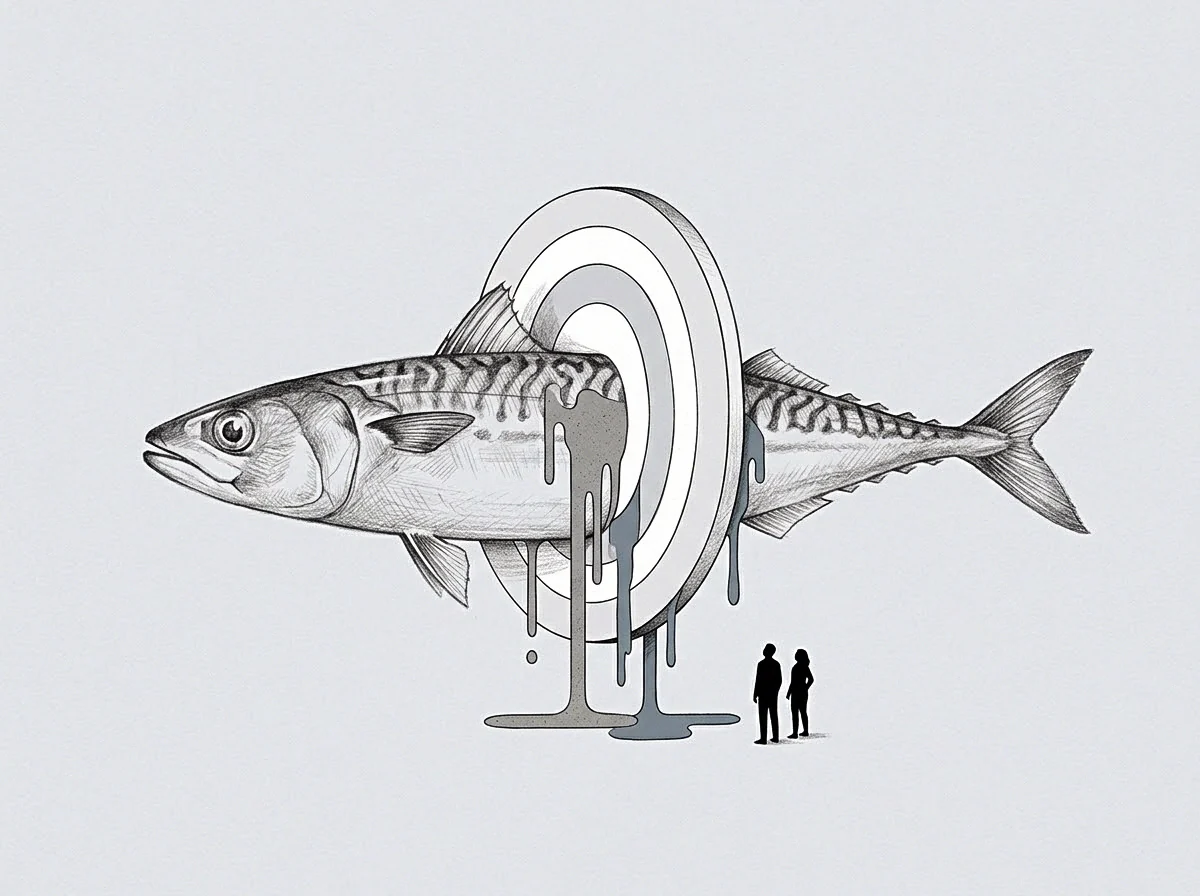
Room
The founder sits alone at midnight reviewing production incidents while thirty engineers sleep. Five years into commercial expansion, the system processes transactions at eight times its initial capacity. Architectural shortcuts taken during initial market entry remain uncorrected, preserved beneath feature commitments made to enterprise clients.
The company now employs directors, product managers, and team leads, yet every operational failure of consequence routes directly back to one person. Role theory identifies this pattern as role strain arising from divergent expectations placed on a single position across rapid organizational growth. The technician who originally wrote the database routing layer remains embedded inside the executive officer.
Two distinct operational demands pull on this singular position simultaneously. Institutional governance requires external capital allocation, senior hiring, and strategic market positioning. Technical triage demands diagnostic intuition and direct intervention in undocumented systems.
The hours required for diagnostic triage erode the hours allocated to organizational design. When production stalls, executive responsibilities stop.
A position left divided between immediate operational repair and long-term capital allocation routinely defaults to the repair.
The core structural failure is the presence of unfunded technical debt during an operational scale transition. Technical debt represents accrued deferred engineering labor, carrying interest paid as continuous diagnostic labor. In early development, taking on debt accelerates delivery.
During scale transitions, the accumulated interest consumes discretionary engineering capacity. If leadership leaves that debt unfunded while committing to enterprise revenue roadmaps, the interest payments fall directly on whoever holds the institutional memory. That person is invariably the founding executive.
The result is a compression of executive function. The calendar fills with reactive architecture reviews, emergency patch approvals, and escalations from engineers unable to reason about legacy services. Strategic initiatives slip by quarters.
Board members observe a chief executive acting as an operational bottleneck, while staff observe an executive disconnected from high-level company direction. The arrangement demands two full-time workloads from one physical body.
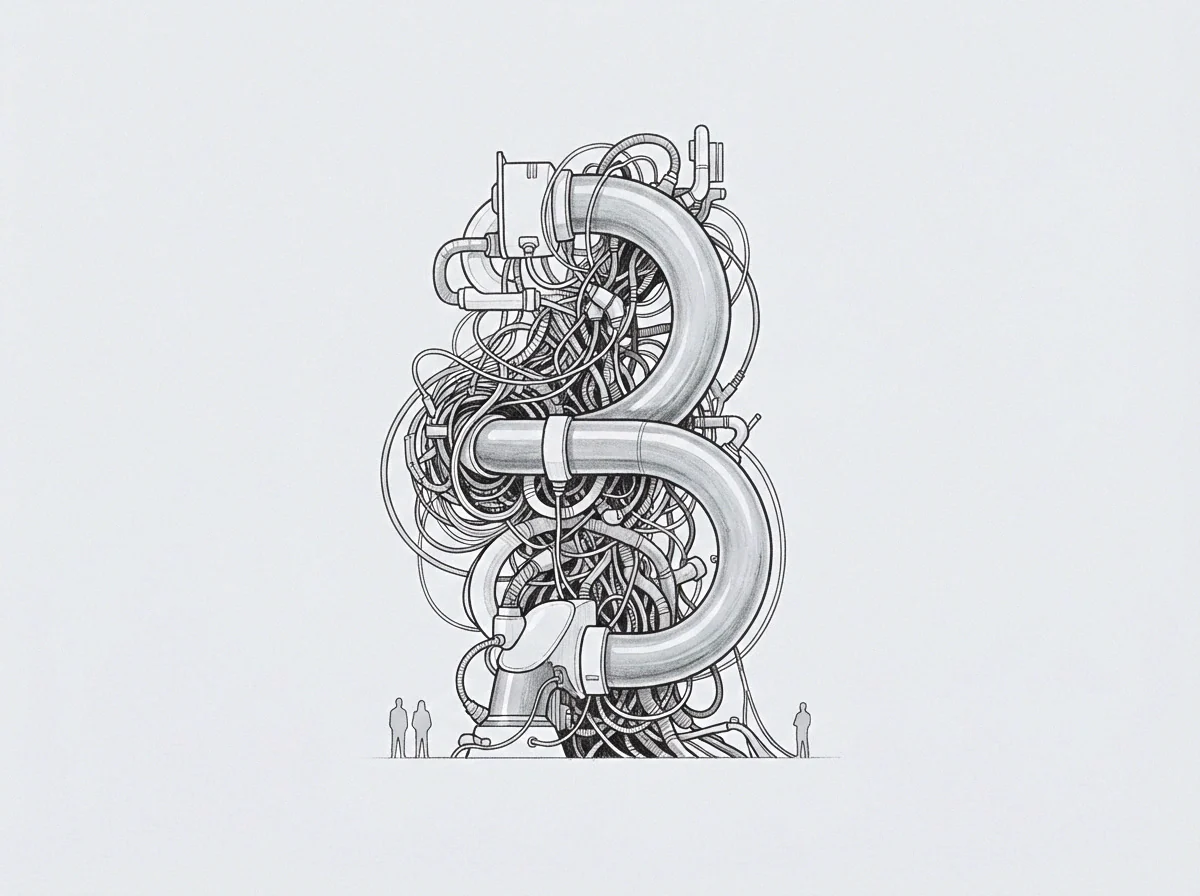
Toll
The physical capacity of an executive running dual positions breaks down along predictable physiological lines. Organizational research on allostatic load demonstrates that sustained exposure to continuous emergency context switching produces measurable cognitive degradation. Working memory shrinks under sustained sleep disruption and unresolved alert queues.
Strategic forecasting deteriorates first. Diagnostic engineering intuition erodes second.
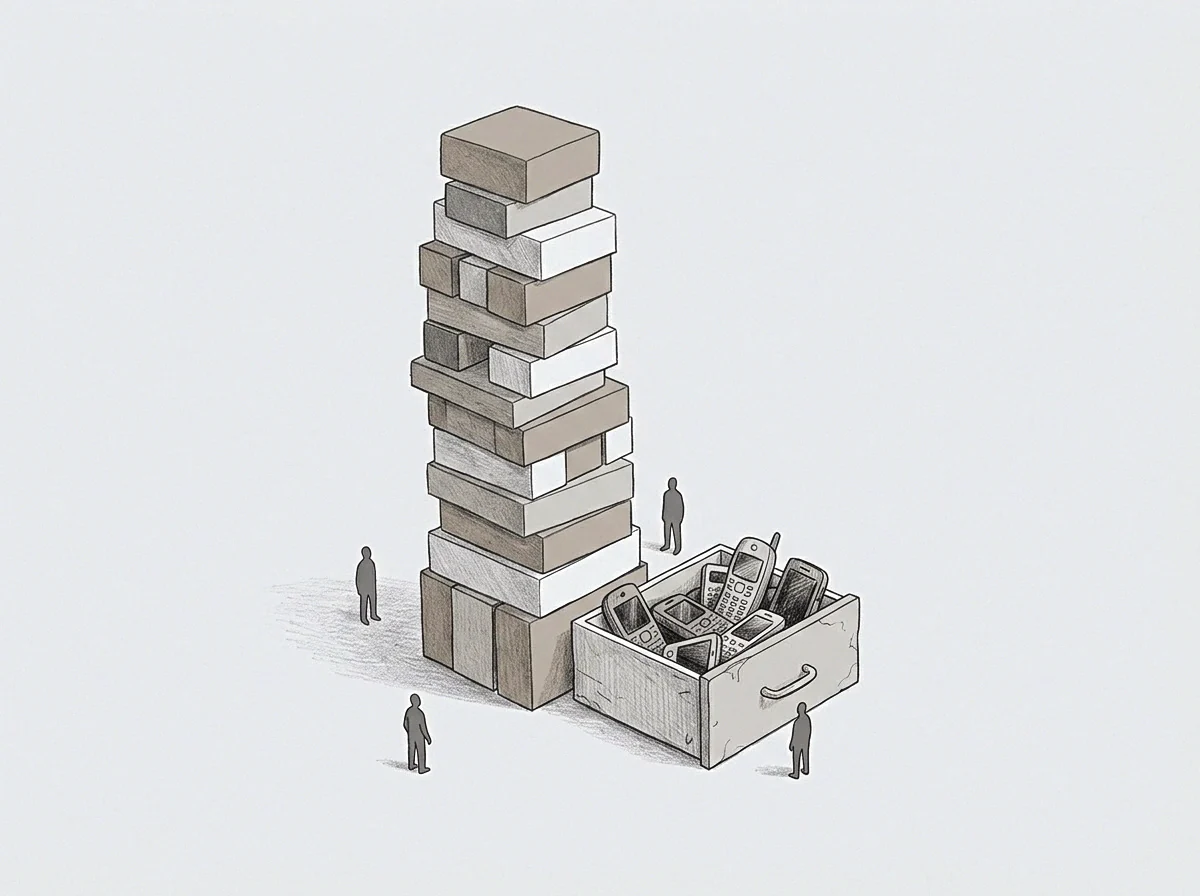
Distribution of Workload and Cognitive Overhead
The allocation of engineering time changes as an organization scales without addressing structural debt. Early in an organization’s lifecycle, maintenance occupies a predictable, contained fraction of development hours. As transaction volume scales against fragile abstractions, unbudgeted remediation consumes operational bandwidth.
| Phase | Direct Feature Development | Unbudgeted Triage and Incident Remediation | Executive Hours Spent in Triage |
|---|---|---|---|
| Initial Product Launch | 78 Percent | 12 Percent | 4 Hours Weekly |
| Early Revenue Expansion | 55 Percent | 28 Percent | 14 Hours Weekly |
| Enterprise Scale Transition | 31 Percent | 51 Percent | 29 Hours Weekly |
Diagnostic context switching carries severe operational friction. An executive reviewing financial forecasts who abruptly shifts to diagnose an orphaned message queue pays a substantial cognitive reconstitution fee. Studies in administrative workflow measurement indicate that resuming deep analytical tasks after complex interruptions requires over twenty minutes.
Multiple emergency escalations per working day reduce strategic thought to fragments.
Deferred maintenance turns institutional memory into a continuous operational subsidy.
This operational friction generates role conflict, defined as the clash between competing structural obligations. The board demands market expansion, disciplined unit economics, and executive delegation. Engineering teams demand architectural stability, unblocked deployments, and immediate operational guidance.
Satisfying one audience necessarily alienates the other. The person in the middle absorbs the structural deficit as personal exhaustion.
The toll extends to the engineering organization. Senior hires depart when architectural decisions require private sign-off from an executive who lacks calendar space to review proposals. Teams develop learned helplessness, passing system alerts upward rather than investigating brittle dependencies.
When the executive attempts to force delegation without providing capital to rebuild fragile foundations, catastrophic production downtime occurs.
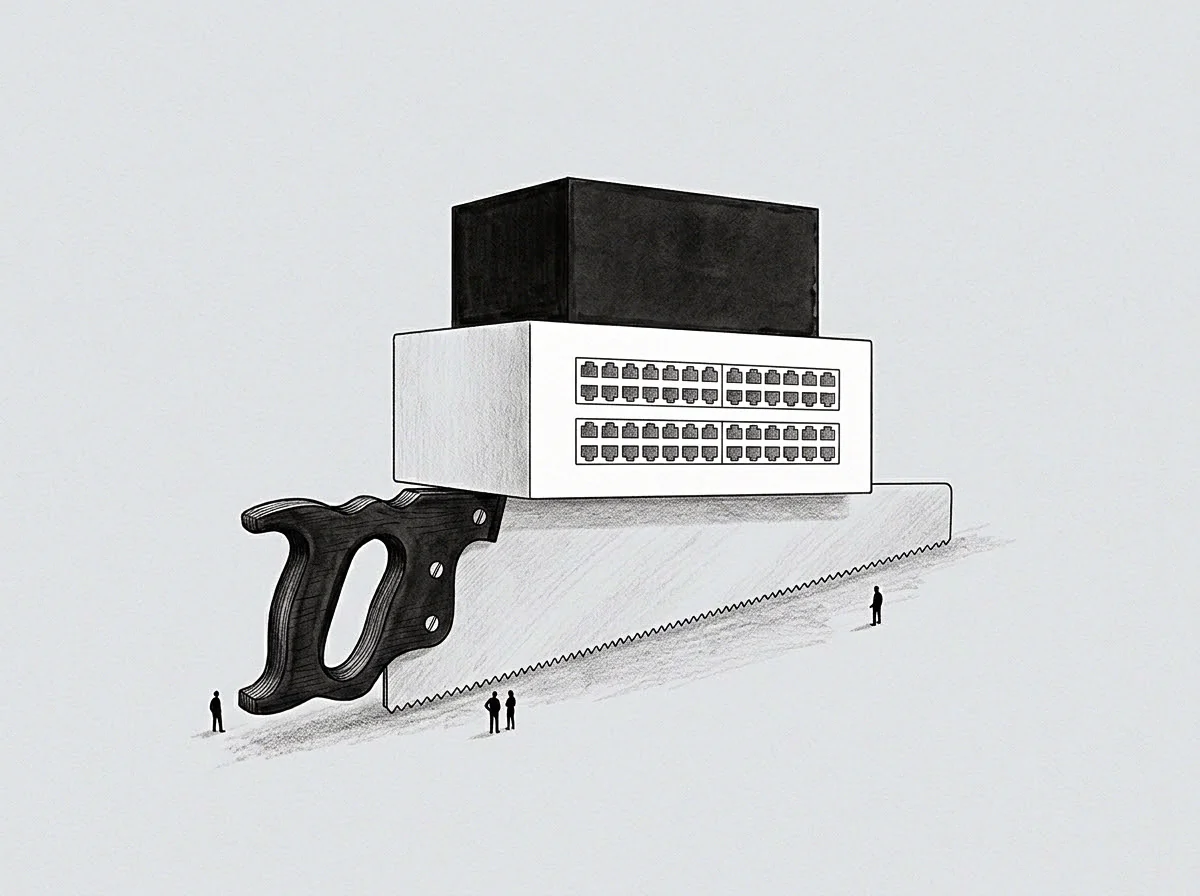
Rift
The tension eventually surfaces as an explicit organizational fracture between executive leadership and technical staff. Communication patterns alter as technical teams experience the executive as remote, reactive, and judgmental. The executive views engineering management as passive, hesitant, and unwilling to take ownership of complex production problems.
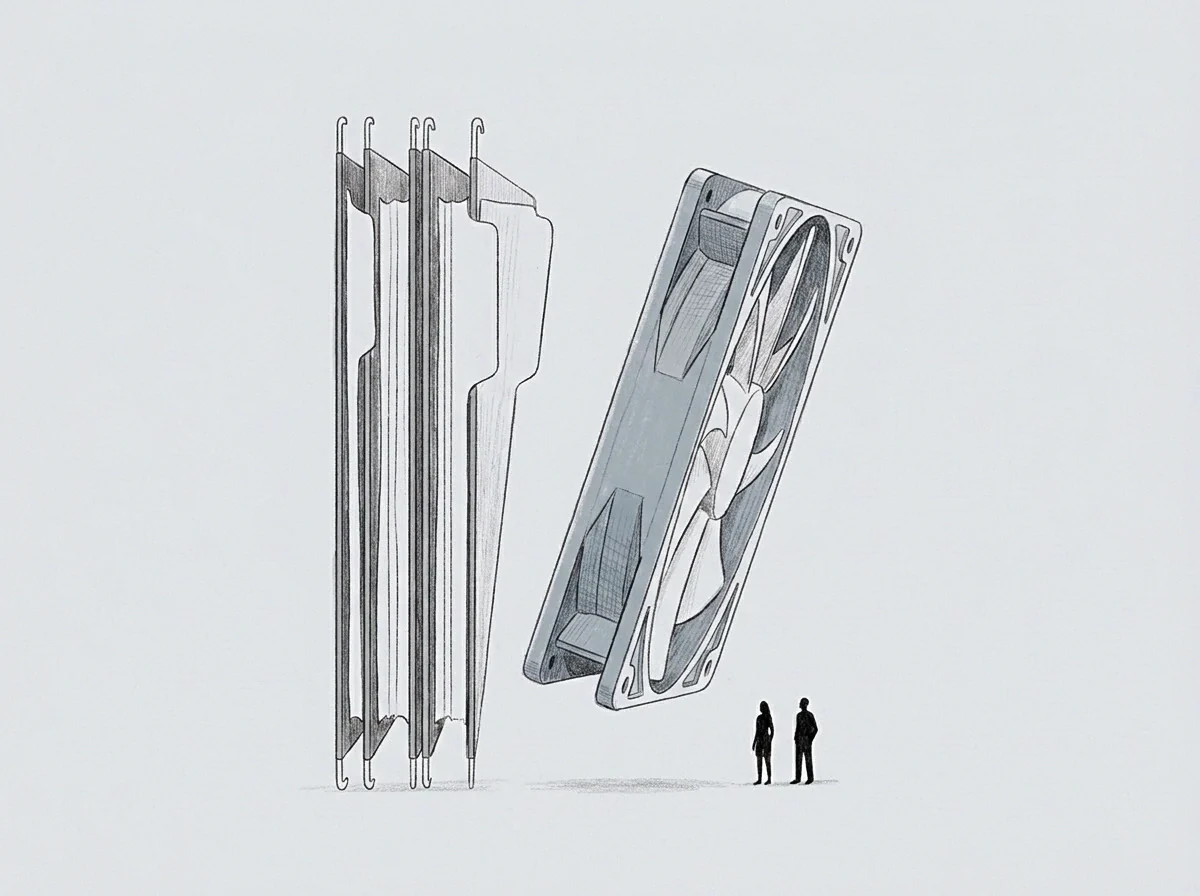
Where Does Tacit Authority Break Under Load?
The executive exercises authority rooted in historical familiarity rather than explicit organizational process. This tacit authority functions effectively when a business operates out of a single room. As headcount multiplies, reliance on unwritten institutional memory creates deep organizational friction.
Senior engineers hired to manage infrastructure encounter unwritten constraints that contradict documented system specifications.
Consider two parallel operational paths across an infrastructure failure. In the first arrangement, an organization runs on fully documented domain boundaries with dedicated platform remediation teams. Engineers isolate failures using runbooks, test suites, and decoupled services.
In the second arrangement, legacy subsystems interact through implicit data contracts known only to the founder. The engineering team escalates immediately to executive leadership to prevent silent corruption of customer records. The second model invalidates middle management.
A team cannot own a system whose boundaries exist solely in executive memory.
The divergence between operational ownership and strategic accountability produces structural paralysis across three distinct organizational interfaces:
- The Governance Interface separates the board from technical reality, where commercial commitments continue to outpace infrastructure capabilities.
- The Management Interface divides directors from their teams, as technical leads defer crucial architectural decisions to founder intervention.
- The Operational Interface stands between legacy infrastructure and platform stability, consuming line-level engineering hours in unending firefighting.
Executive isolation accelerates throughout this transition. As delivery schedules slip, external stakeholders increase scrutiny, demanding tighter governance controls and more frequent milestone reports. The executive attempts to absorb these administrative requirements while remaining tethered to production stability.
The rest of the organization observes the strain and concludes that leadership lacks confidence in the team.
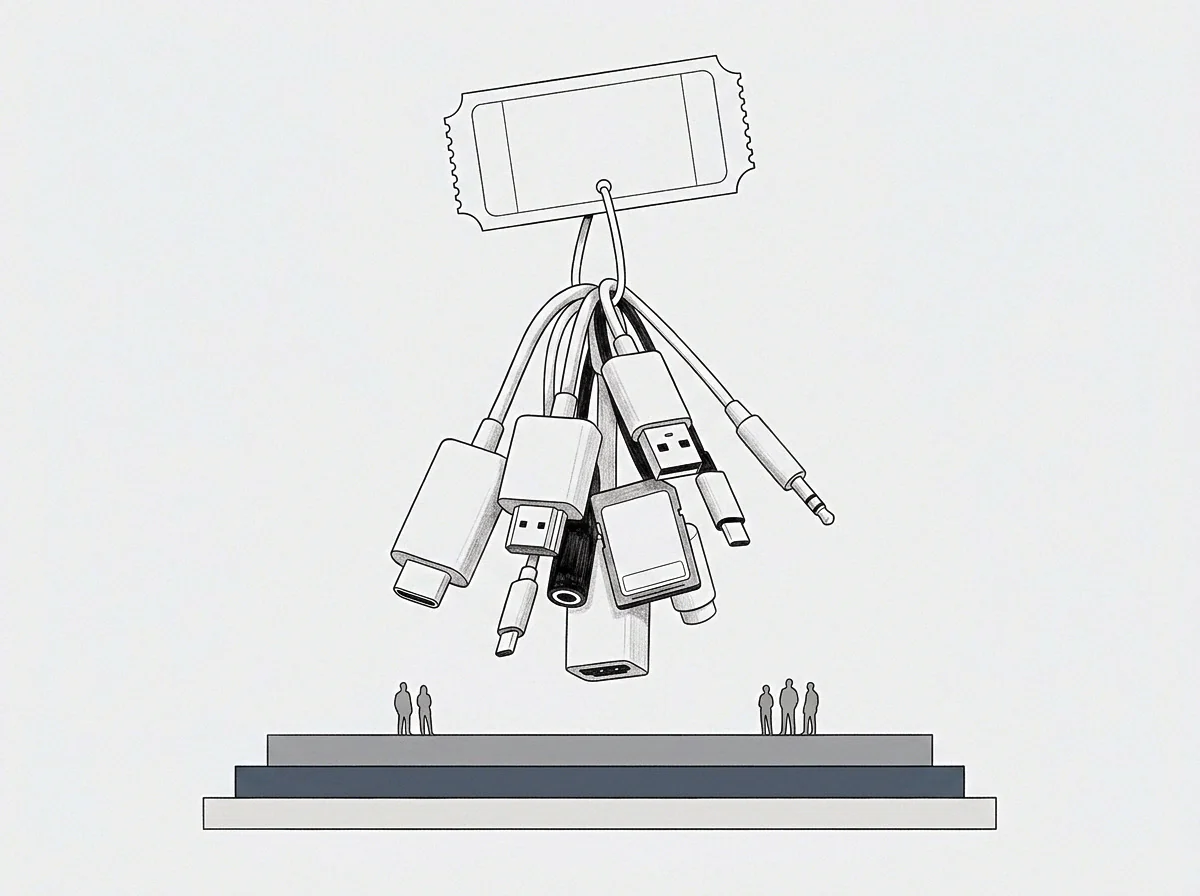
Terms
Resolution requires redefining the executive position from a worn state into a held arrangement governed by explicit contracts. An executive seat is held when its responsibilities, calendar allocations, and authority boundaries are documented, budgeted, and defended. The transition requires formal capitalization of technical remediation, separating engineering debt from founder availability.
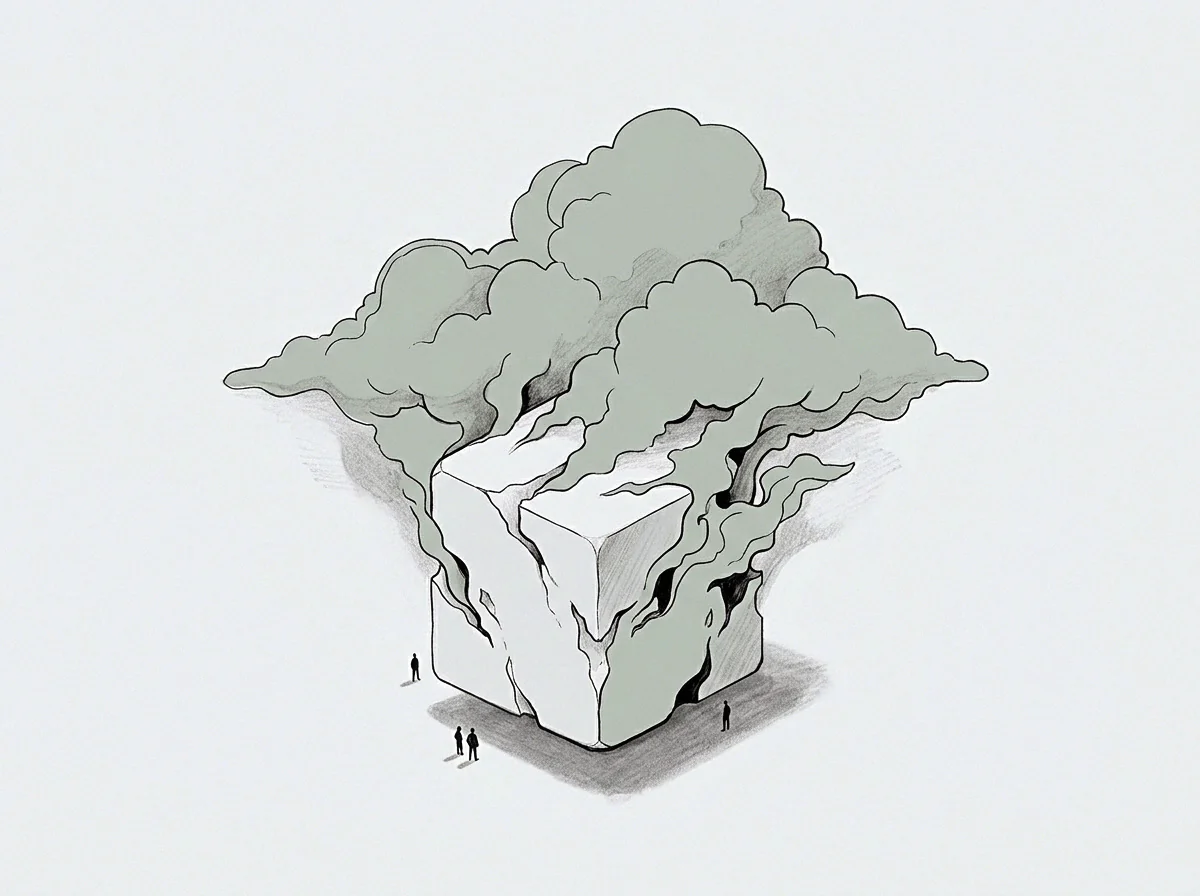
Decomposition of Embedded Executive Seats
The single title of executive officer must be dismantled into its component functional responsibilities. The individual currently occupies three distinct seats: the enterprise executive, the technical director, and the staff level diagnostic specialist. Each position requires discrete operational metrics, distinct communication cadences, and independent resource allocations.
The remediation of technical debt requires an explicit capital allocation agreed upon with governance bodies. Technical stabilization cannot be executed as invisible background labor stolen from product delivery schedules. If legacy systems require a complete overhaul of the transaction ledger, that project demands dedicated engineering headcount, ring-fenced roadmaps, and explicit operational milestones.
Executive transition fails whenever legacy remediation remains an unbudgeted responsibility.
The executive establishes a stated boundary around operational triage. Direct access to production monitoring credentials ceases on a specified calendar date. Escalation paths route to designated infrastructure directors empowered to make availability tradeoffs.
The executive accepts temporary productivity declines while new leads build systemic domain knowledge.
Formalizing these operational boundaries alters the social contract between executive leadership and the governing board. The board receives a binding assessment of accumulated technical debt alongside the capital expenditure required to extinguish it, transforming covert personal triage into an overt institutional liability.
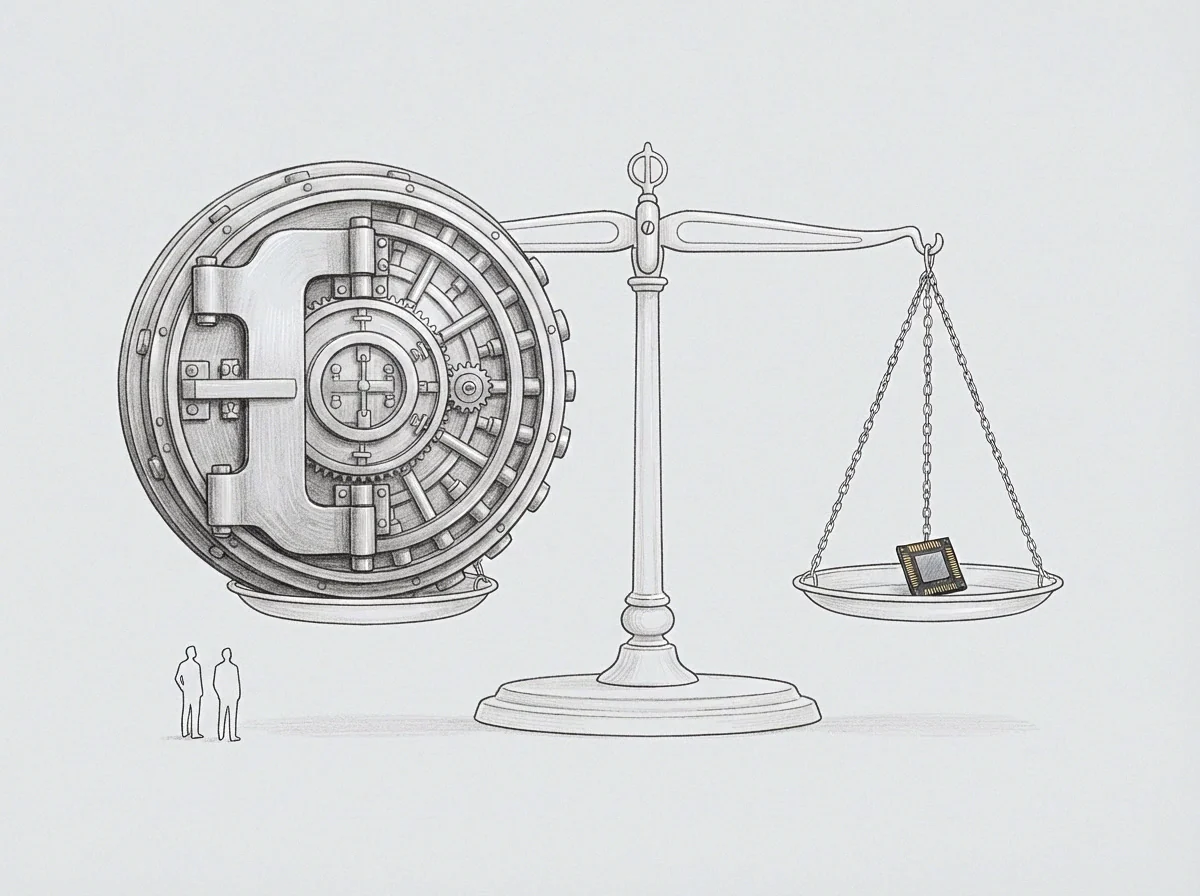
Gate
The final stage of resolving executive strain is establishing structural gates that prevent the re-accumulation of unmanaged technical commitments. Engineering governance requires formal criteria before new product lines receive development approval. When revenue opportunities demand architectural expansion, infrastructure capacity must be funded concurrently.
Relinquishing the technician’s seat demands emotional discipline from the founding executive. Diagnostic intuition provides immediate psychological validation; a complex server crash offers an unambiguous problem with a binary resolution. Strategic organizational design provides diffuse feedback loops and delayed commercial outcomes.
Executives often retreat into production triage to escape ambiguous organizational dilemmas.
The handover of legacy domain knowledge requires structured codification protocols. The executive conducts scheduled architectural teardowns, documenting undocumented failure modes, implicit schema dependencies, and critical edge cases. Engineering teams turn these disclosures into comprehensive automated regression suites.
The institutional memory transitions from biological wetware into automated tooling.
True operational transition occurs when a severe production failure happens and the executive is not informed until the post-incident review. The infrastructure team isolates the issue, executes failover protocols, and repairs underlying services without executive intervention. The organization operates on its explicit systems rather than the nervous system of its builder.
An executive who refuses to fund technical debt inevitably pays for it with their own career longevity.