
Role Strain Dynamics When Managing Multiple Internal Operational Positions
Role strain in multi-position operators arises from continuous unbudgeted context switches between execution, integration, and governance seats.
Bench
An operator sits at a desk at midnight, sorting vendor invoices while writing code for a client delivery due at dawn. The calendar shows four operational roles assigned to one name, none of them bounded by written agreements or dedicated time blocks. Execution duties consume the early morning, internal coordination fills the afternoon, and financial governance takes over the night.
The system operates through continuous crisis intervention because no single position receives undivided attention.
Operational role strain occurs when an individual occupies multiple positions whose demands conflict in time, cognitive orientation, or performance standards. In growing enterprises, founders and early managers routinely hold three structural seats at once: direct technical execution, managerial coordination, and owner governance. Each seat asks for a different mental posture.
Direct execution requires continuous focus on technical detail. Managerial coordination requires context switches between people, schedules, and resource flows. Owner governance demands long-range capital evaluation and structural risk management.
When one person carries all three without formal boundaries, the roles do not sit side by side; they collapse into a single reactive routine.
Role Decomposition in Early Enterprise Architecture
A position exists independently of the person assigned to fill it. A position contains specific outputs, an allocated hourly budget, clear decision rights, and measurable success criteria. When these components remain implicit, the position becomes a worn seat, carried out of immediate operational necessity rather than explicit structural design.
The operator absorbs every unassigned duty because the organisation lacks formal position boundaries.
The queue expands. The cost of this structural ambiguity lands directly on the operator’s daily calendar. Technical tasks yield to immediate managerial fires, while managerial oversight falls behind due to direct production obligations.
Governance tasks, having no daily operational deadline, move into late-night hours or vanish entirely. Over time, the organisation mistakes the operator’s personal endurance for institutional capacity.
Midnight reconciliation of operational errors signals an unassigned manager seat.
Tacit routines multiply. As operational positions multiply under one individual, internal communication degrades. Team members cannot determine whether an instruction comes from a technical peer, a direct supervisor, or an equity owner.
This structural ambiguity creates friction across daily operations, slowing down decision cycles and generating hidden operational debt.
Failure to separate operational positions early produces a brittle enterprise dependent on individual heroics rather than repeatable systems.

Switch
Context switching carries a measurable cognitive overhead. When an individual transitions from deep technical execution to administrative resolution, the brain does not reset instantaneously. Residual attention from the previous task lingers, diminishing processing efficiency in the subsequent role.
Research in cognitive ergonomics indicates that high-frequency switching between disparate task domains reduces overall problem-solving capacity and accelerates mental exhaustion.
Across internal operational positions, context switching latency varies based on the contrast between role requirements. Transitioning from client software troubleshooting to vendor contract negotiation demands a complete shift in evaluation criteria, communication style, and risk tolerance. Performing this transition multiple times per day degrades the quality of decisions in both seats.
Quantifying Inter-Role Switching Latency
Execution absorbs attention. The operational toll of managing multiple positions can be categorized by how each seat governs time, focus, and structural risk. The table below outlines the operational attributes of three primary internal seats frequently occupied by a single operator.
| Seat Classification | Governing Horizon | Primary Operational Focus | Tacit Work Ratio | Switching Latency |
|---|---|---|---|---|
| Technical Execution Seat | Daily to Weekly | Direct asset creation and service delivery | High | Low to Moderate |
| Process Integration Seat | Weekly to Monthly | Workflow management and resource allocation | Moderate | High |
| Operational Governance Seat | Quarterly to Annual | Capital allocation and structural risk control | Low | Very High |
Context switches carry costs. When the same individual moves between these three positions throughout a single day, performance metrics suffer across all domains. The operational governance seat requires deliberate, reflective analysis, which is consistently squeezed out by the urgent tactical demands of the technical execution seat.

Progression of Operational Degradation
Capacity drains quickly. The degradation of operational efficiency across unbudgeted context switches follows a predictable sequence within an enterprise calendar:
- Primary Execution Saturation occurs when direct service delivery or technical production consumes all allocated daily calendar slots.
- Tactical Context Splintering begins when urgent administrative interruptions repeatedly displace core technical output throughout the workday.
- Managerial Deficit Accumulation emerges as supervisory routines, process documentation, and quality controls fall behind production demands.
- Strategic Horizon Collapse marks the stage where long-term operational planning yields entirely to immediate reactive troubleshooting.
How long can an enterprise sustain structural growth when its core operational seats share a single point of failure?

Wear
Allostatic load represents the cumulative physiological and psychological strain resulting from chronic exposure to fluctuating operational stresses. In multi-role management, this load accumulates not from the sheer volume of work, but from the continuous, irreconcilable demands of competing seats. The technician seat demands immediate completion of concrete deliverables.
The managerial seat demands continuous availability to resolve operational bottlenecks. The governance seat demands strict adherence to long-term risk parameters.
The schedule breaks down. When these internal positions lack formal boundary enforcement, the operator experiences chronic role conflict. Role conflict occurs when fulfilling the expectations of one position directly hinders the fulfillment of another.
For instance, spending four hours resolving a critical vendor dispute directly deprives a client project of technical execution hours, creating immediate operational friction.
Role strain escalates when context switching occurs faster than cognitive resetting can finish.
Physical systems under continuous, non-uniform mechanical stress exhibit material fatigue long before structural failure occurs. Similarly, an operator continuously shifting between competing operational seats experiences cognitive depletion that compromises systemic judgment. The wear manifests in overlooked operational details, delayed supervisory interventions, and defensive decision-making.
Worked Situation: The Three-Seat Capacity Trap
Take an enterprise operating with two co-founders who built the business over three years without formal position specifications. Assume Founder A holds forty percent of equity and acts simultaneously as Lead Product Architect (Technician Seat), Customer Support Lead (Manager Seat), and Chief Financial Officer (Governance Seat). Assume the enterprise handles one hundred active client accounts, generating fifty support tickets weekly while undergoing a major infrastructure upgrade.
Under these conditions, Founder A allocates twenty hours weekly to technical architecture, twenty hours to support resolution, and ten hours to financial accounting. A critical database outage occurs, requiring thirty continuous hours of technical restoration during a week when quarter-end financial statements are due. Support tickets accumulate unanswered, triggering client churn, while financial tax filings miss statutory deadlines, incurring regulatory penalties.
The operational failure stems not from a lack of technical competency or individual effort, but from the absence of structural position boundaries. Because Founder A’s seats lacked clear hourly limits and delegation protocols, the enterprise had no mechanism to absorb the technical shock without collapsing adjacent operational functions.
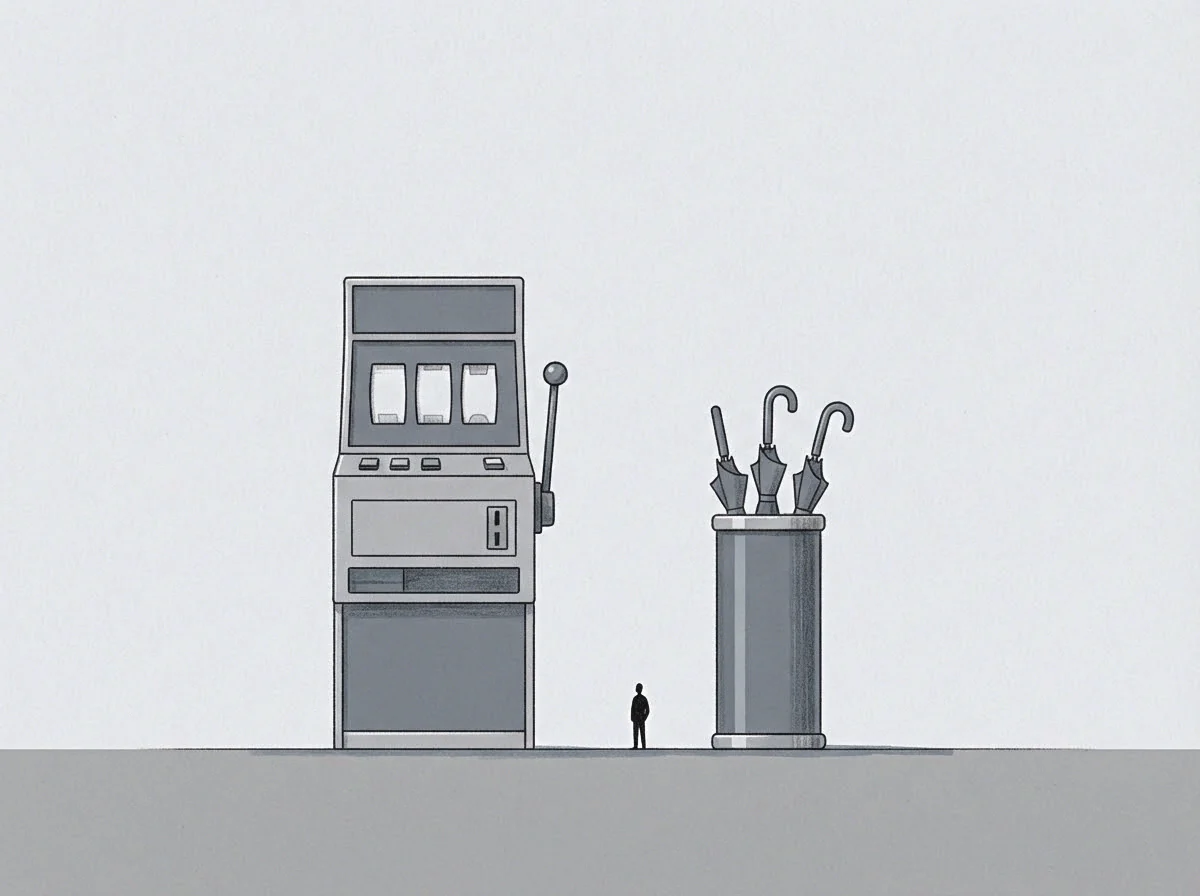
An operational position left uncodified converts personal stamina into an unbilled company debt.
Unstated duties compound. The partner views the operational backlog as a personal speed issue rather than a structural capacity deficit.
Draft
Converting a worn seat into a held seat requires formal position codification. A held seat is an operational role occupied under explicit terms, clear hourly boundaries, defined deliverables, and documented escalation rules. Codification shifts the operational baseline from individual heroics to repeatable structural agreements.
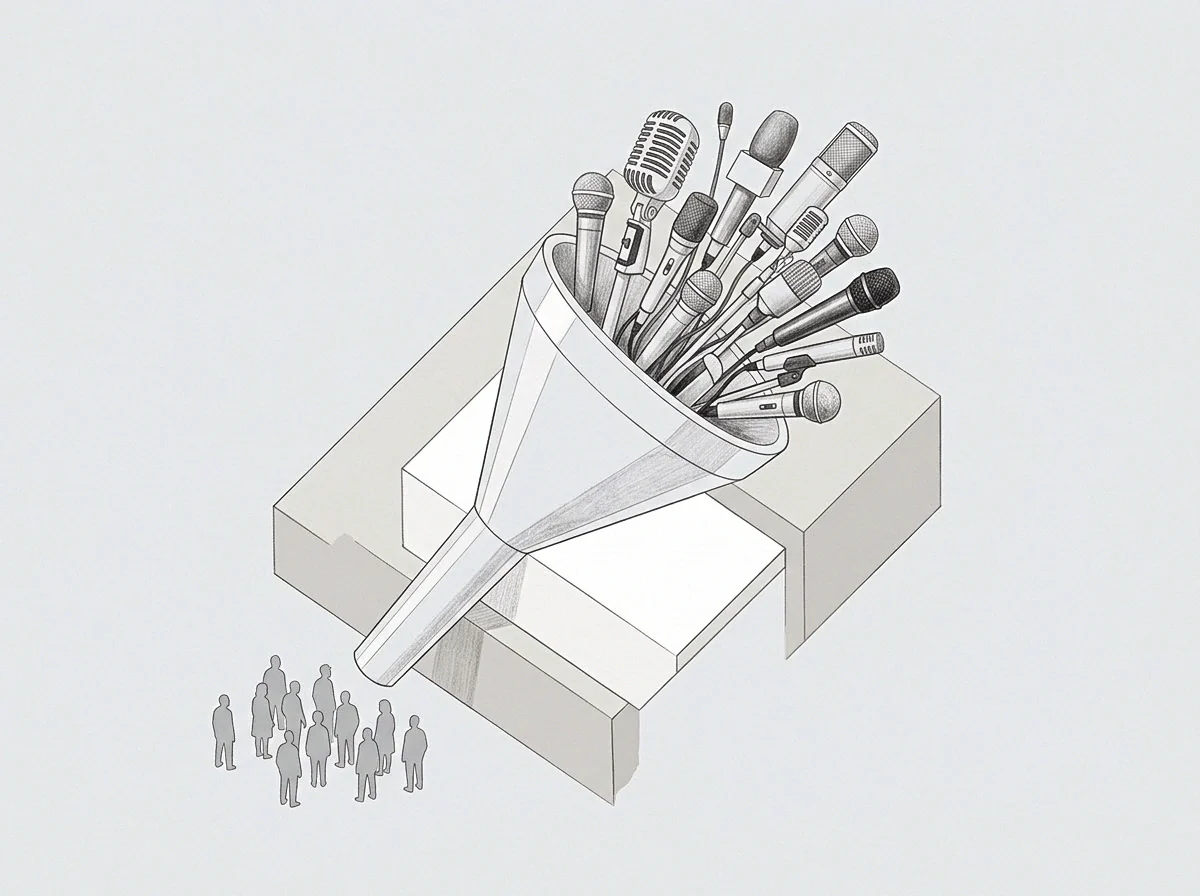
Terms define boundaries. Position codification begins by documenting every tacit routine currently performed by the operator. Tacit work includes unwritten supervisory check-ins, informal technical approvals, vendor communications, and emergency troubleshooting routines.
Once exposed, these tasks can be grouped into discrete structural seats rather than floating attached to an individual’s name.
Structural Requirements of Position Statements
To establish durable internal positions, position statements must define the precise operational parameters governing each seat within the organization:
- Governed Output Criteria specifies the exact tangible deliverables the position produces each week without relying on ad-hoc requests.
- Allocated Hourly Budget bounds the maximum weekly calendar capacity assigned to the seat before formal escalation occurs.
- Explicit Escalation Triggers define the operational conditions that transfer a task to an adjacent position or external vendor.
- Handover Protocols establish written procedures necessary for another operator to assume the seat without loss of continuity.
Silence alters expectations. The handoff stops early.
When an internal operational position carries explicit written terms stating its hourly boundaries and output criteria, any operational demand exceeding those parameters triggers an immediate structural negotiation rather than personal exhaustion.
Tier
Structural resolution of role strain requires systematic delegation and capacity reallocation. An operator cannot simply drop an operational seat; the functions governed by that seat must be reassigned to dedicated personnel or automated process structures. The transition proceeds in stages, starting with technical execution roles before addressing managerial integration seats.
Ambiguity creates friction. Delegating technical execution requires transferring tacit domain knowledge into documented standard operating procedures. The primary barrier to delegation is the operator’s reliance on intuitive decision-making developed through years of unstructured problem-solving.
External team members cannot execute tasks effectively when operational criteria remain hidden within the operator’s habits.
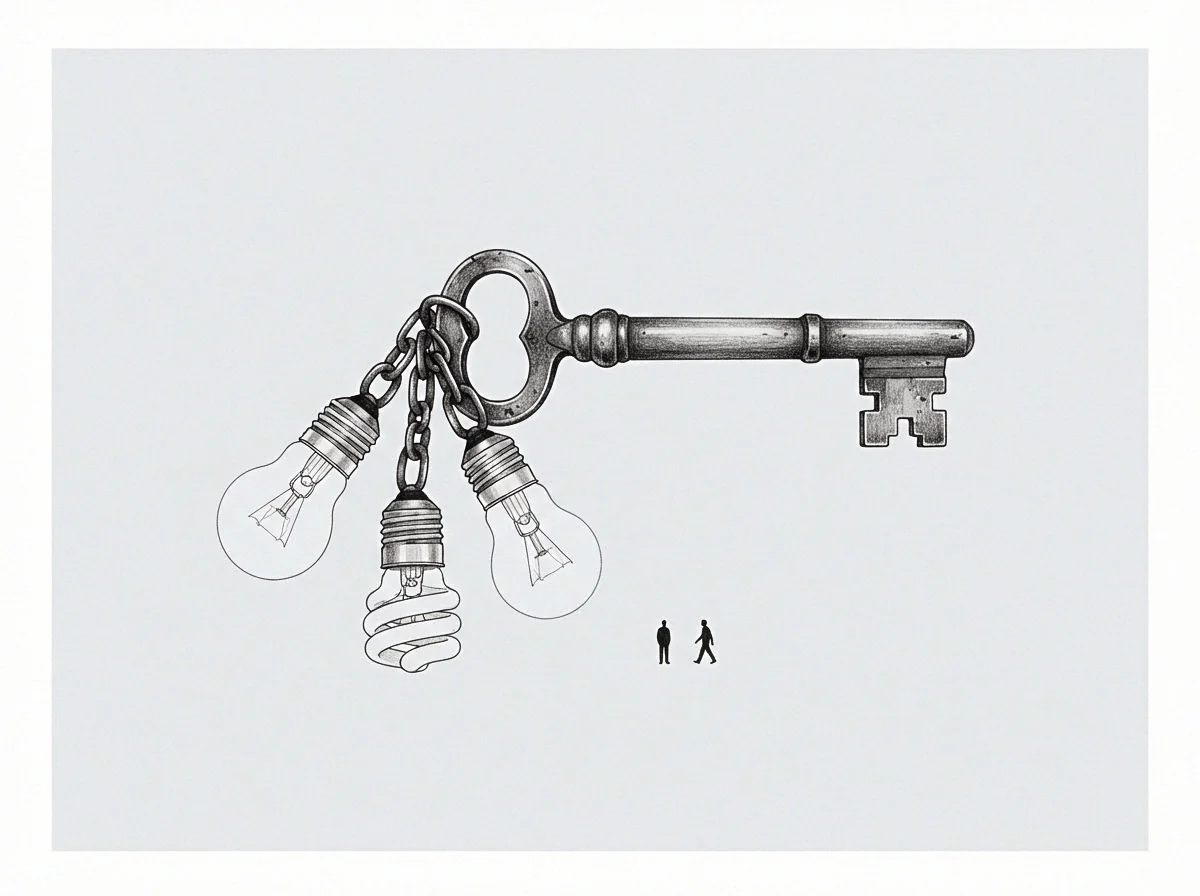
A seat defined by its outputs rather than its owner survives the exit of the person who built it.
Equity buys risk. The transition from multi-role operator to single-seat governor requires structural investment. Hiring dedicated line managers or specialized technical staff increases immediate operating overhead while restoring cognitive capacity to the leadership layer.
This trade-off trades short-term margin compression for long-term structural scalability.
Capacity limits choices. The enterprise reaches operational stability when every internal seat carries a distinct job description, clear performance metrics, and a dedicated calendar budget. The operator vacates operational execution seats to occupy the governance seat exclusively, establishing clear lines of accountability across the organizational hierarchy.