Meaning
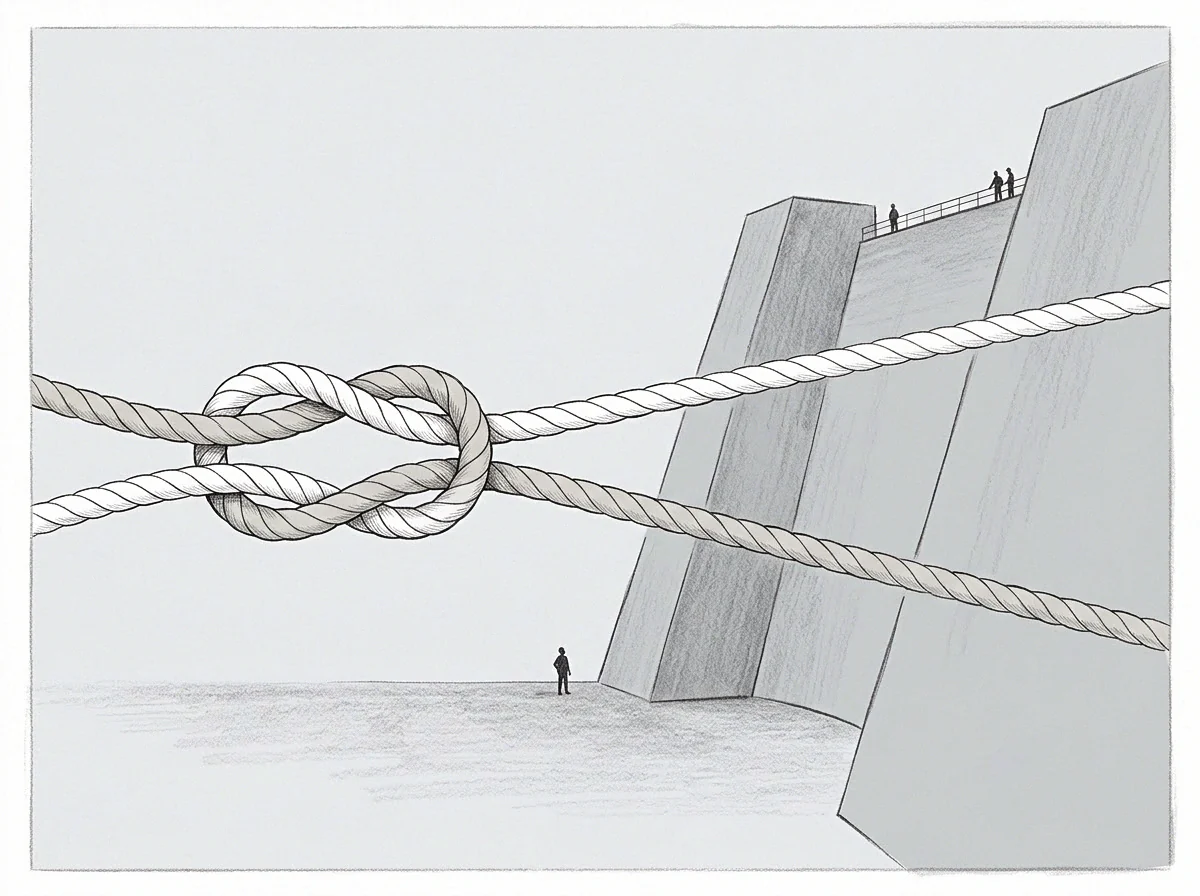
Systematic transition of client ownership from an individual to an organization ensures the longevity of revenue streams. The process of account institutionalization involves the mapping of relationship history and the formalization of service protocols within a shared database. It stops being applicable once the client views the entity as the primary service provider rather than the person who started it.
Network Distribution
Formal handovers of contact points reduce the reliance on a single person for business continuity. When account institutionalization occurs, the founder introduces the client to a wider team and steps back from daily communication. This shift requires the documentation of preferences and contractual history.
Service Continuity
Standardized delivery models replace the bespoke promises made during the early stages of a company. Implementing account institutionalization forces a firm to create repeatable workflows that any trained professional can execute. If the client resists the move from a personal bond to a professional service, the cost in hours spent on mediation increases significantly.
This phase often involves the creation of service level agreements that replace the handshake deals of the past, ensuring that expectations are managed by metrics rather than feelings.
Legacy Protection
Retaining the value of a firm after the original creator exits requires a clean break from individual charisma. Account institutionalization protects the valuation of the company by proving that the client base is portable.