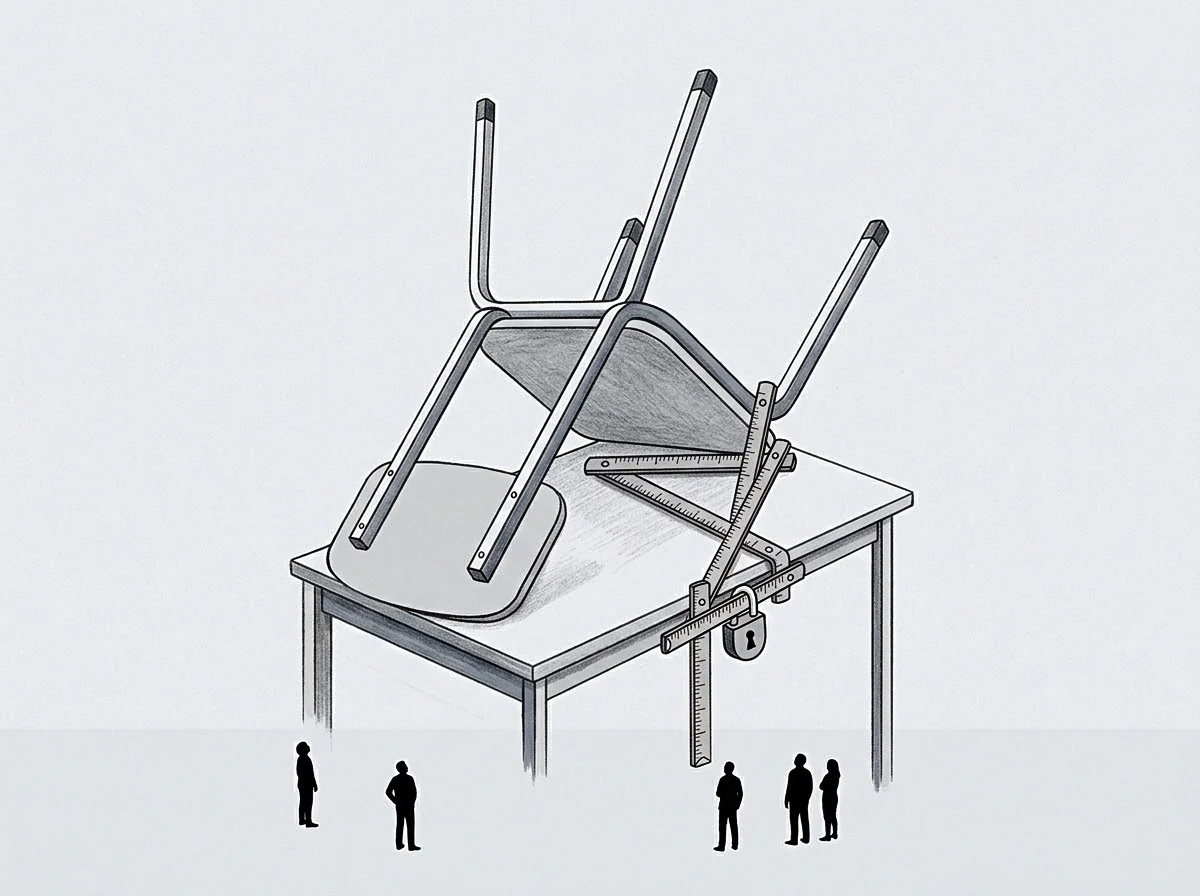
Meaning
Organizational protocols establish a boundary between executive decision making and investor oversight. An administrative firewall restricts the flow of day to day data to individuals who no longer hold operational roles. It functions by defining specific permissions that prevent a shareholder from viewing internal software or sensitive files without a formal request.
This mechanism stops applying once an individual returns to a formal management position.
Technical Barrier
Controls are applied to digital infrastructure to ensure that former officers cannot influence current managers through informal system access. While a founder might retain substantial equity, the administrative firewall ensures that their credentials do not permit the alteration of live databases or the viewing of personnel records. This mechanism requires the technical team to revoke legacy permissions.
Access Restriction
Access to financial models and strategic roadmaps becomes mediated by the board rather than granted through the company wiki. By implementing an administrative firewall, the business protects its current leadership from interference by predecessors. This restriction reduces the attention cost for the current executive.
System Integrity
Long term stability depends on the clear separation of previous and current leadership. The founder pays for this integrity with a loss of immediate visibility.