Meaning
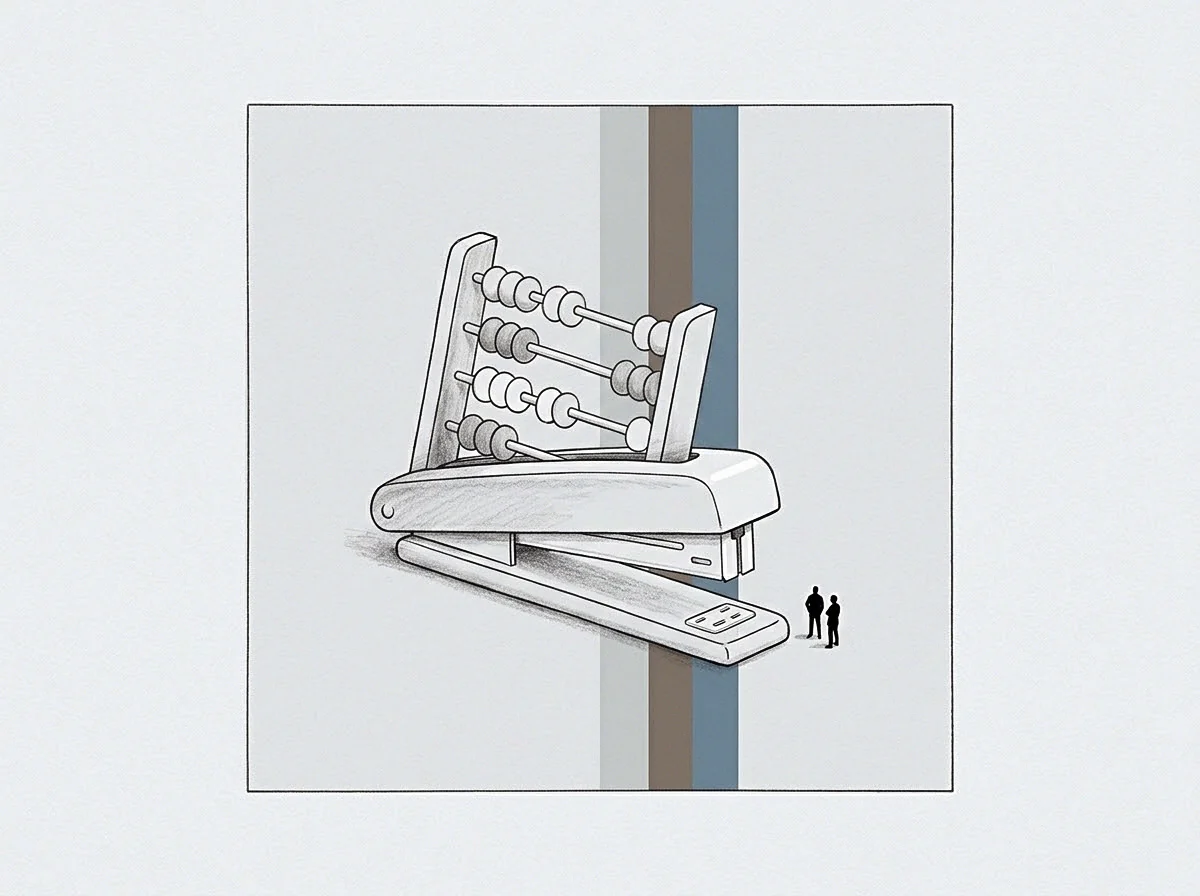
Organizational behavior wherein an executive who previously transitioned into governance or strategy reverts to low-level clerical and operational tasks. The phenomenon known as administrative regression occurs when high ambiguity or operational stress prompts a former founder to seek psychological safety in familiar tactical routines. This habit pulls executive focus away from capital allocation and board governance back into routine recordkeeping.
The process terminates when formal delegation boundaries are reinstated or operational authority is re-established.
Operational Relapse
Tactical relief through low-level execution provides immediate feelings of control during market volatility. When administrative regression takes hold, former founders process invoices, update database entries, or organize internal file directories rather than managing executive handovers. Former operators default to these tangible activities because operational outcomes yield unambiguous completion signals.
Strategy yields delayed feedback loops.
Capacity Exhaustion
Attention spent on routine administrative tasks reduces the mental capacity required for structural oversight. A founder practicing administrative regression spends working hours executing basic software updates or reviewing expense receipts, which directly depletes cognitive stamina required for institutional negotiation. Leadership capacity degrades quietly.
Boundary Condition
Institutional governance structures arrest operational backsliding when clear division of responsibilities is enforced by board oversight. If administrative regression persists without board intervention, the cost shifts onto corporate leadership through reduced strategic clarity and stalled leadership delegation.