Meaning
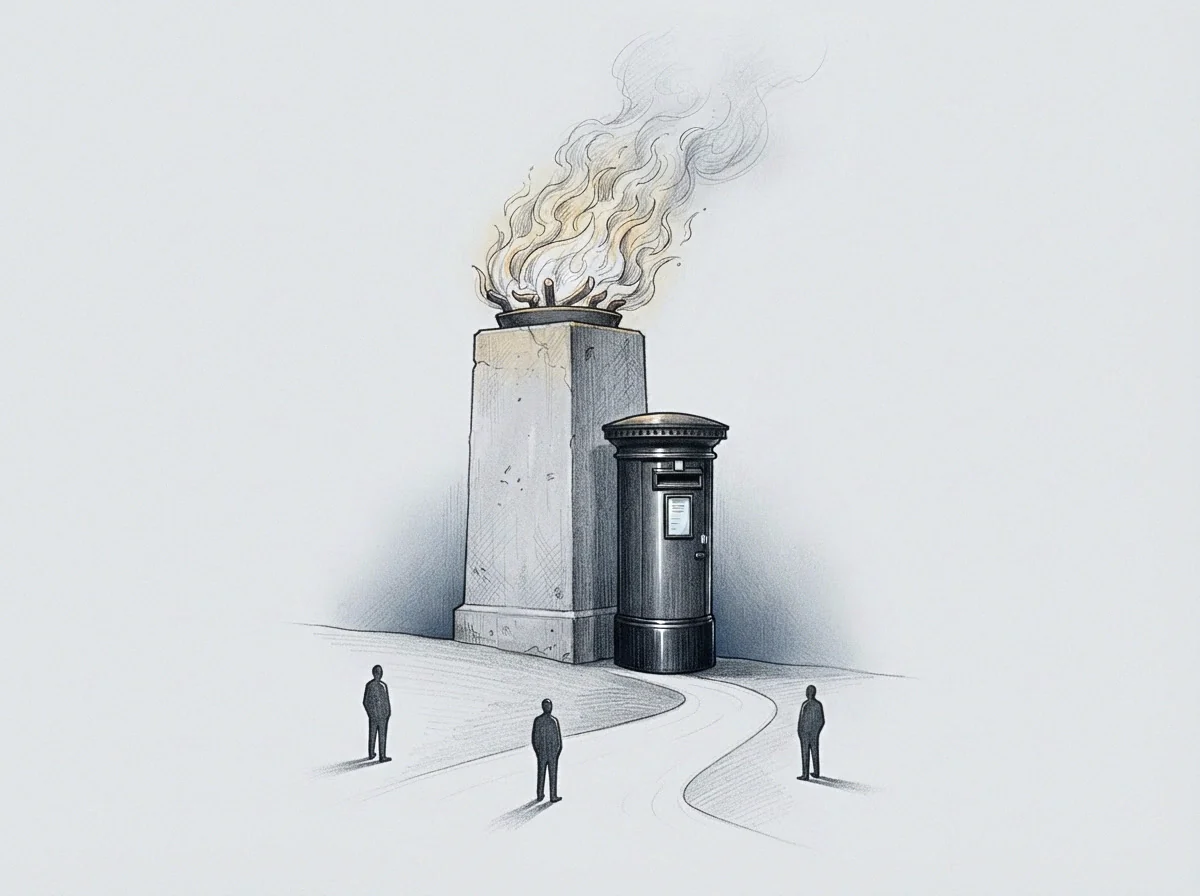
Communication routing deviations occur when team members bypass the established management hierarchy to report directly to a former executive or founder who no longer holds operational responsibility. This practice, known as backchannel escalation, destabilizes the authority of the appointed managers by re-establishing obsolete reporting lines. It typically happens when long-serving employees seek familiar allies to reverse decisions they dislike.
Management Undermining
Appointed executives find their institutional standing diminished when their subordinates use informal channels to appeal decisions. The presence of backchannel escalation makes it difficult to establish new cultural norms or execute strategic pivots. Employees learn that the formal hierarchy can be bypassed, which erodes operational discipline.
Information Asymmetry
Founders who receive these informal reports operate with partial data. They might act on complaints without understanding the strategy of the current management team. This interference creates a parallel governance track.
Attention Drain
The cost to the founder and the executive team is measured in lost focus and fractured trust. Because resolving these bypassed disputes requires extensive mediation, founders lose the freedom they sought when they stepped back. The executive team spends hours defending their authority instead of driving market expansion.
Trust between the board and the current leadership degrades as a result of the persistent disruption.